As the U.S. grapples with racism, Bellingham Black business owners offer perspectives
As the Black Lives Matter movement continues across the U.S. this summer, Black-owned business people in Whatcom County say they are having thoughtful conversations with customers, as well as seeing an increase in support.
Whatcom County has seen its share of rallies and demonstrations following the death of George Floyd in Minnesota on May 25. During these rallies, organizers have come up with ways to try and increase community support of local Black-owned businesses.
Sales are particularly strong in restaurants, which have seen a variety of events in the past few months. Fundraising events including Blackout Tuesday and Juneteenth have brought in needed sales during the COVID-19 pandemic. There have also been several grass-root events locally on social media.
Azizi Tookas, co-owner of Brandywine Kitchen, said they noticed a bump in sales, particularly after discussions about supporting Black-owned businesses in Bellingham began showing up on social media sites, including Facebook. On the first Blackout Tuesday in June, he said they ran out of food by 6 p.m.
“I have to say that we were pleasantly overwhelmed,” Tookas said in an email.
The momentum just kept going, Tookas said. The next event was a statewide general strike on June 12; Brandywine took a different approach and donated 50% of the restaurant sales to the Black Lives Matter Seattle Chapter. Teaming up with fellow restaurant owners Ken and Dan Bothman, who own La Fiamma and Fiamma Burger, the restaurants raised $10,000 that day.
It’s been a similar trend at Guud Bowls, said co-owner Mike Duncan, who is known as Duncan in the community. The company, which delivers cooked meals to peoples’ doorsteps, has actually seen a couple of surges in 2020. Prior to COVID-19 taking hold in Whatcom County, Guud was delivering around 200 bowls a week. That increased to 400 a week early on in the pandemic. When the Black Lives Matter movement got going in June, production increased to around 900 bowls a week.
“We don’t know whether to hire more people, but it has been all hands on deck for us,” Duncan said.
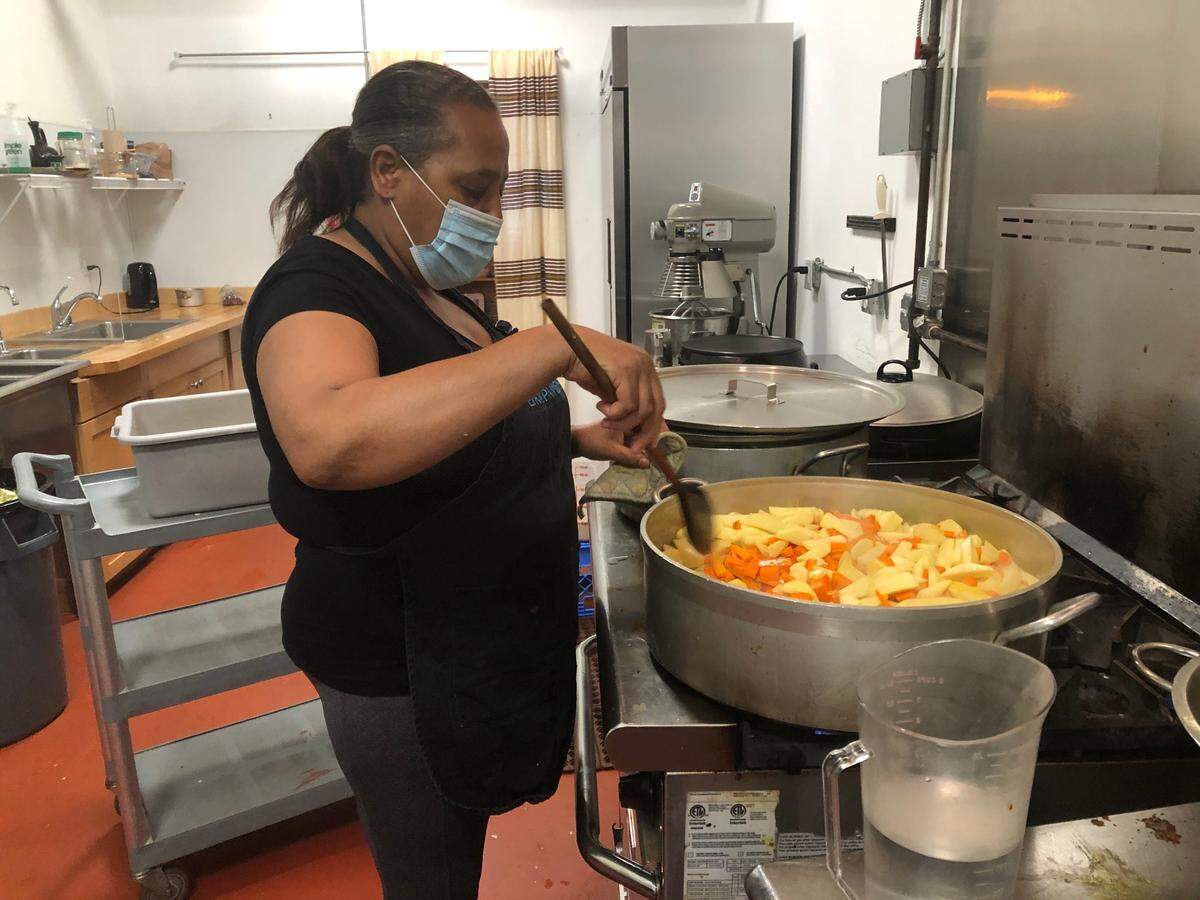
An uptick in sales came at a good time for Mulunesh “Mulu” Belay, who operates Ambo Ethiopian Cuisine at 902 N. State St. in downtown Bellingham. Belay’s restaurant initially saw an increase in business at the beginning of the COVID-19 pandemic for takeout and delivery, but sales had slowed in the spring. Belay had planned to attend some of the rallies, but was busy running her business, taking in the extra orders.
“I don’t like it when they (the protests) destroy things; that’s not something I can support,” Belay said. “But when it is done peaceably, I think it can lead to changes.”
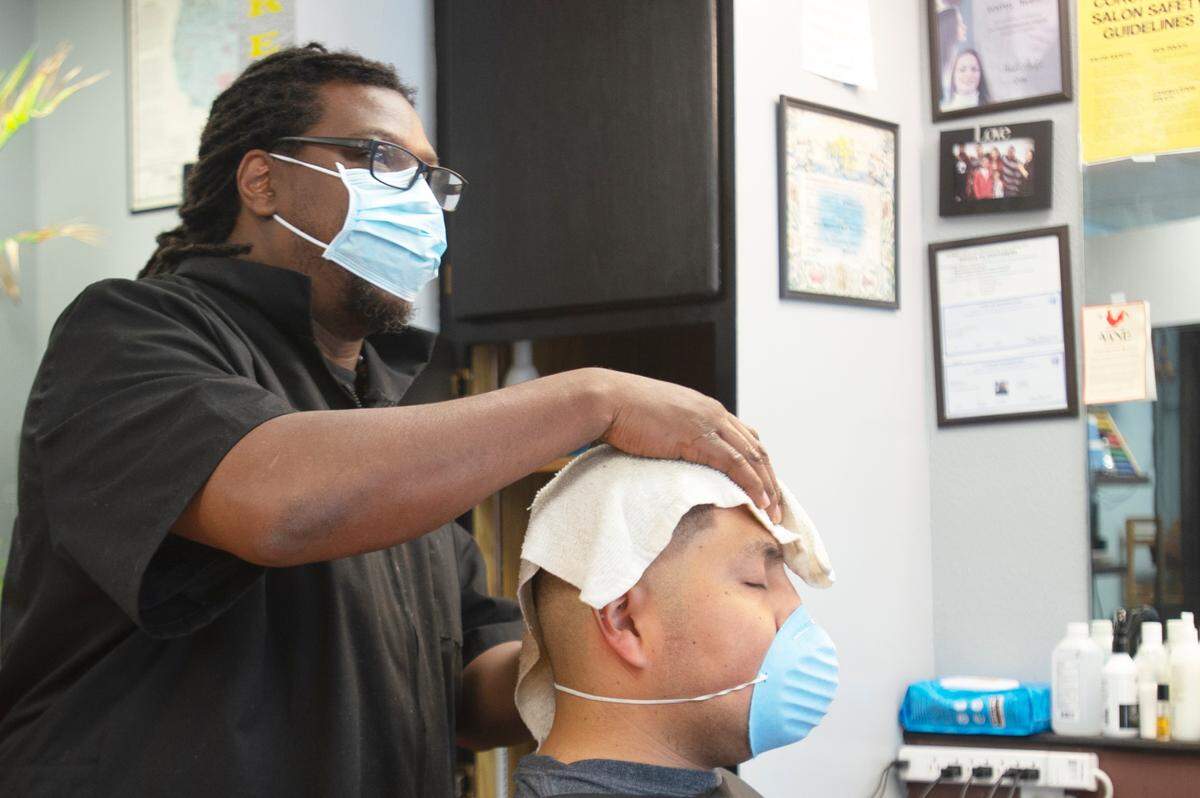
Some Black business owners say there is a pressure that white business owners might not experience. Bernard Franklin, owner of Busy B’s Barbershop at 2207 Elm St., said in a video interview that the interaction is different in trying to ensure a business succeeds.
“We definitely have to consider what type of influence is placed on me for being a Black man, businessman, in this community,” Franklin said. “Do I say the right things? Do I do the right things?”
Impact of BLM events
The Black Lives Matter events in Whatcom County have drawn large crowds even though the area does not have a racially diverse population.
According to the U.S. Census, Washington’s Black community represented 4.4% of the state’s population in July 2019. In Whatcom County, it is 1.3%. Among businesses in Whatcom County, about 10% were owned by minorities in 2012.
Whatcom County demographics carry over into business ownership. While the Census doesn’t break it down, social media research and lists indicate there are at least 10 Black-owned businesses in this area. The Skagit Valley Food Co-op has a list of partnerships with businesses owned by people of color, including several from Bellingham.
Duncan, who grew up in Ferndale and moved to Seattle for his career before returning to Whatcom County, views this area as very special to him even though the population lacks diversity.
“I’m as Whatcom as heck and my family is here. There is so much support here,” Duncan said.
Belay said she’s also felt welcome in Whatcom County since moving here from Ethiopia in 2002. She said she tries to not let the things that many people of color in the U.S. experience — like being followed around or treated differently at a store by an employee, for example — bother her. She’s felt that it’s been harder for her three children growing up in the U.S.
When they were younger, Belay’s children would bring up questions related to being a person of color in a mostly white community, and that would lead to conversations about what’s inside being more important rather than the color of your skin.
From Belay’s perspective as someone who moved here from another country, she’s found it particularly discouraging to see how people of color who are born in the U.S. are treated. Having people who were born in the U.S. being treated like second-class citizens is a systemic issue that needs to be addressed — a citizen of this country being told to “go home” is just so hurtful, she said.
The Black Lives Matter movement appears to have had a major shift in public opinion, particularly among white citizens. Tookas said it might be different now because the prevalence of cell phone videos are showing not just police brutality, but also the prejudice and bigotry of everyday interactions between people.
“It can no longer be shrugged off as isolated incidents caught on film. White America has now seen for themselves what people of color have been saying for so long. And now white America is saying ‘OK, we believe you, we need to do something! We as a country are better than this,’” Tookas said.
Advice for what’s ahead
When it comes to finding ways to make this country better for people of color, Duncan said it usually comes to the basics: Be involved in the community as well as respect others.
“I try not to carry anger around; I try to reach out and build a bridge rather than a wall,” Duncan said.
He’s also learned that it’s important to talk to people, rather than just form opinions based on what you read on Facebook or other social media platforms.
For local business owners, Tookas encourages them to make an effort to hire a diverse staff. That includes, but is not limited to, people of color.
“The life experiences that a diverse staff brings is invaluable to any business and certainly has been for mine,” Tookas said. “We don’t go out of our way to hire people of color, but we do look for people who share our values.”
More broadly, Tookas said education is also the key.
“One way to do this is by reading first-hand accounts of people of color and marginalized populations throughout our history. This would help answer the question of how we got to where we are today,” he said.
He would also like to see well-rounded portrayals of people of color, particularly on television, that go beyond the cliches.
“I want more than just tough, funny or soul-searching. I want to see characters that are quirky, intimate and who can show complex emotional vulnerabilities. Because portrayals like these will show America the ‘humanness’ and ultimately the diversity of Black culture in this country,” Tookas said.
Belay said focusing on the community and not getting caught up in the politics of racism and color also helps.
“Treating everyone as human beings is what is important,” Belay said.
This story was originally published July 26, 2020 at 5:00 AM.