Lessons from Wenatchee as Whatcom‘s Intalco curtailment approaches, costing 700 jobs
As the Intalco Works aluminum smelter curtailment approaches, the Ferndale community can draw on the experience of a nearby community that went through the same experience five years ago.
In November 2015 Alcoa announced it was curtailing the Alcoa Wenatchee Works facility in Malaga, laying off about 428 employees. The facility remains curtailed today, with three potlines potentially able to restart and one that permanently closed in 2018.
There are lots of similarities to what is happening in Ferndale. Alcoa announced on April 22 that it will curtail operations at the end of July, laying off 700 workers. A small crew is expected to remain to maintain the facility in the hope that operations restart. A major round of layoffs at the facility is expected mid-June.
For Ferndale there’s been no new announcement since mid-May when Alcoa CEO Roy Harvey announced that the company was moving forward with curtailment plans for the facility. In late May the International Association of Machinists and Aerospace workers filed a Trade Adjustment Assistance petition for additional resources to help the workers find new jobs.
Just like in Whatcom County, the Wenatchee Works curtailment announcement was a shock and created initial fear in the community, said Stacy Luckensmeyer, Business & Industry Liaison at Wenatchee Valley College. She was a member of the core team that initiated the regional strategic planning process for the community during that time.
“Quickly, however, the community rallied around the employees and brought as many partners together to proactively plan what could and would be offered to support their transition,” Luckensmeyer said in an email to The Bellingham Herald. “Many people pulled together during a difficult time, replacing that fear and uncertainty with action.”
Providing many different types of assistance is a key to a seamless transition, said Susan Adams, the center manager at SkillSource Wenatchee. The agency helped about 300 of those workers, she said, noting that Alcoa allowed a rapid response team consisting of SkillSource, Employment Security, Wenatchee Valley College, Wenatchee Aluminum Trades and the Washington State Labor Council to meet with employees before the curtailment.
Getting that kind of help in Ferndale is more challenging because of the coronavirus pandemic. According to the local union’s website, meeting with the local WorkSouce agency has involved Zoom sessions that workers are accessing outside the Intalco facility.
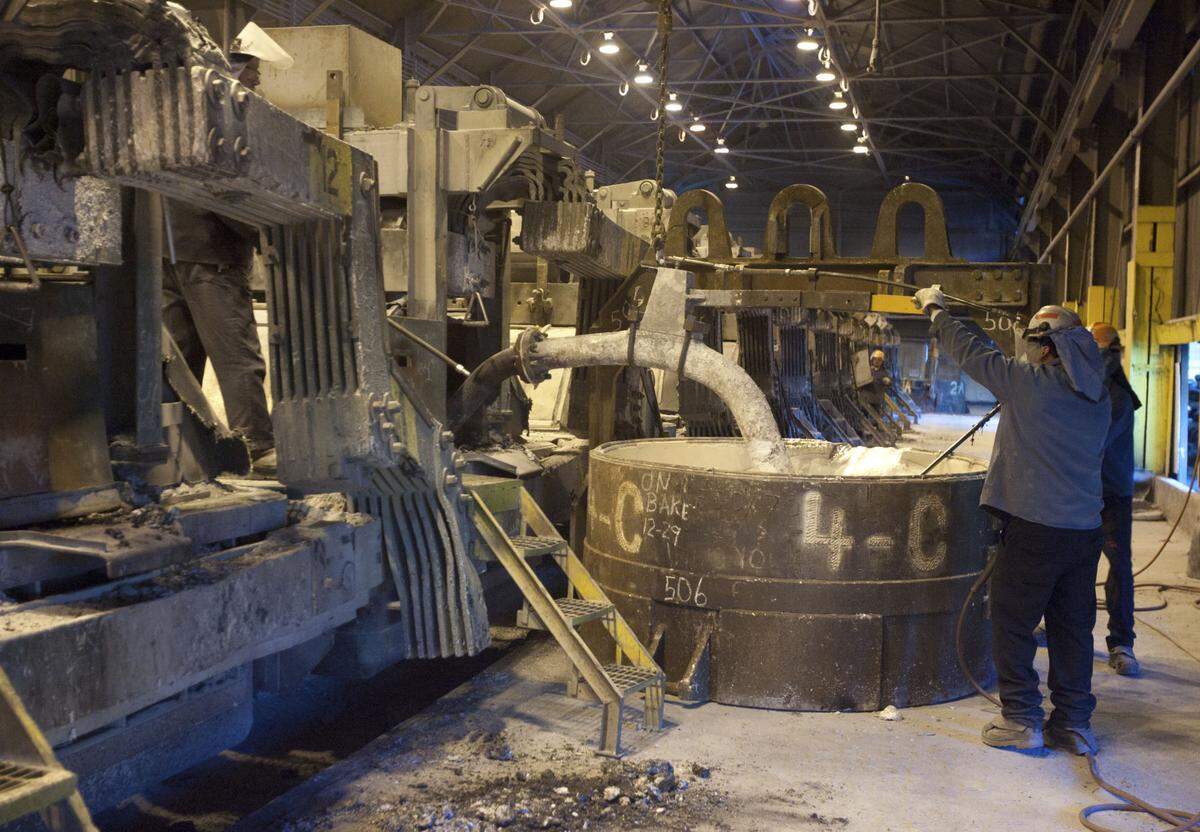
The vagueness of curtailment
When Alcoa curtailed the Wenatchee facility in January 2016, there was still hope that it wasn’t a permanent closure. That hope intensified in early 2018 as the price and demand for aluminum rose dramatically. According to the London Metal Exchange, smelters could sell aluminum for nearly $2,600 a ton in April 2018.
That hope faded as Alcoa announced the permanent closure of one of the potlines in June 2018. Demand for aluminum also disappeared, dropping the price to about $1,900 a ton in April 2019. In April 2020 the price was about $1,420. It’s still possible that the facility could eventually restart, but its unlikely during these economic conditions.
Luckensmeyer said the feeling in the community is balanced between hope that it might reopen and the possibility it would never happen.
“We lost nothing by being hopeful that it might reopen, so we maintained that perspective while we focused our efforts fully on what was actually within our control: Growing our economy in other ways without counting on Alcoa’s presence,” she said.
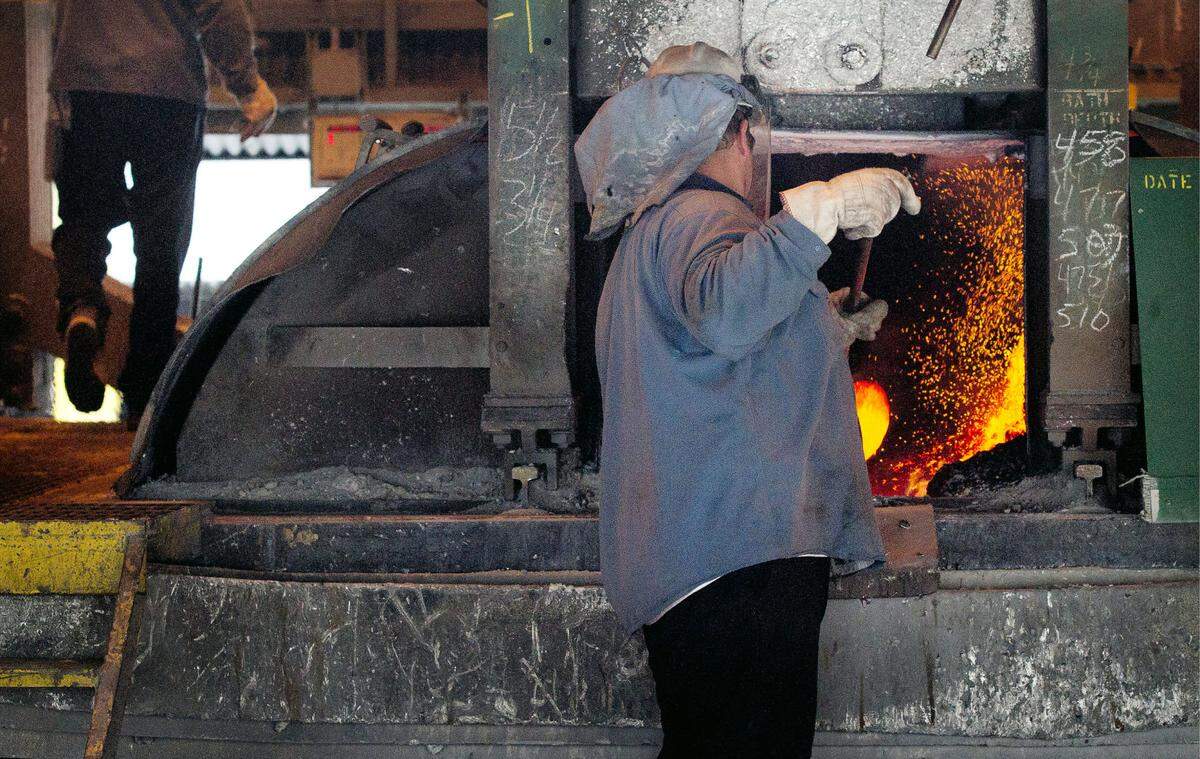
Community impact
The Wenatchee smelter pumped about $60 million a year into the local economy, according to an August 2017 article in The Seattle Times.
The Wenatchee community appeared to have a few things going for it that helped lessen the impact of the curtailment. The national and local economies were recovering. According to data in from the state Employment Security Department, the Wenatchee metro area’s unemployment rate was 5.9% in 2015. It ticked up to 6% in 2016 after the curtailment, but dropped to 4.8% by 2018.
Steve King, who was director of community and economic development for Wenatchee when the curtailment was announced, said the focus was on the workers being put out of work as well as those indirectly losing work. He noted a few of those layoffs included contractors who were working at the facility.
Other industries such as housing didn’t appear to be impacted, helped by developments such as the huge growth in data farms in the Quincy area, said King, who is now the Public Works director in Port Townsend.
Adams agreed that the rebounding economy helped ease the impact on other industries.
“We worked with a few of the contractors that worked for Alcoa but I do not recall a significant loss in other sectors due to the curtailment,” Adams said in an email.
Even so, it was a difficult time for the workers, particularly in the first three months after the curtailment started.
“Our area does not have many comparable jobs at comparable wages, and though the retraining opportunities were great and the unemployment benefits were much better than normal, families still suffered from such a rapid income loss,” Luckensmeyer said.
What can Whatcom do?
Luckensmeyer said they learned from the experience is that quickly organizing a community’s assets is important.
“You’ll likely pull a few levers that won’t amount to much at first, but a rebound from this type of a loss doesn’t happen quickly,” she said. “Keep your eyes on the long game and shore up every aspect of your strengths. The partnerships in our community are stronger today than we ever imagined they could be, and we have come to appreciate that more and more every year as we keep growing and evolving.”
Helping workers get through the retraining process was a rewarding experience for Luckensmeyer, who said they were some of the most impressive students she has ever had because they were used to working hard.
“Wenatchee is cheering for you, and we look forward to seeing how you grow through this,” she said.
Adams added that it is also a time to reflect on what happened.
“A major layoff combined with a global pandemic is frightening — take time to mourn your loss because it is significant,” Adams said.