Beware of frigid water in WA. How to check water temperatures and swim safely this summer
As summer heat finally reaches Washington state, many are heading to nearby lakes, oceans and pools to beat the heat.
But before diving into the water, knowing if the temperature is safe is highly important, as if water is too cold or too hot it can cause health issues.
Although the water temperature may feel refreshing, it could be changing your blood pressure, according to U.S. Masters Swimming, a non-profit membership program for master swimmers.
“Hot water can cause a rapid decrease in blood pressure, which can lead to dizziness or loss of consciousness… swimming in temperatures below 70 degrees Fahrenheit can lead to increased heart rate and blood pressure,” the website states.
Swimming in water that is too cold, especially under 64 degrees, also increases the risk of cardiac arrest, the U.S. Master Swimming website states, and can make even healthy individuals experience muscle spasms in the water.
Cold water drains body heat about four times faster than being in cold air, according to the National Weather Service, and can cause “cold shock” once your body is in cold water. “Cold shock” can change our heart rate, blood pressure and breathing dramatically, increasing the risk of drowning even for strong swimmers.
Wearing a life jacket can be life-saving during cold shock or hypothermia and give rescuers enough time to get to you in the water, and is highly recommended even for strong swimmers.
The risk of swimming in cold water is extreme, causing officials to plead with Washingtonians earlier this summer to stay out of the water to reduce the risk of hypothermia, even during a heat wave.
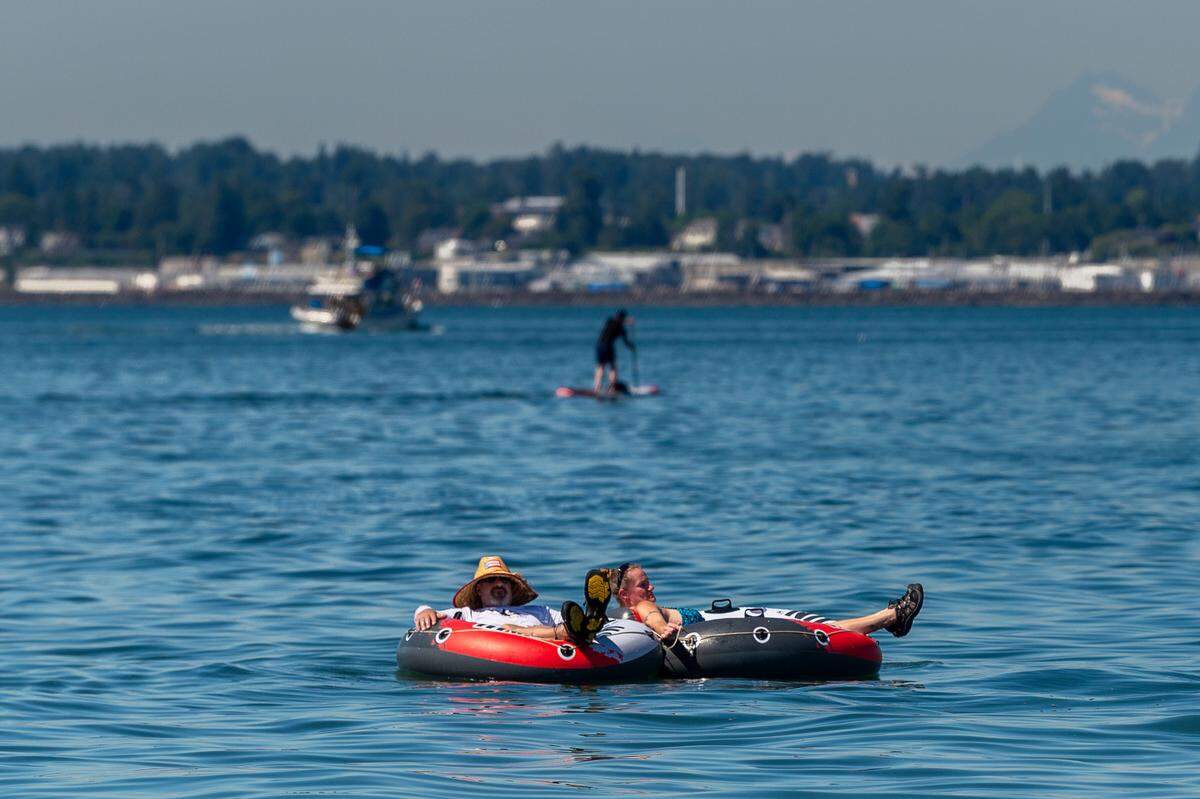
So what water temperature is safe?
The National Centers for Environmental Information says there is no optimal water temperature for swimming, but most people like to swim in 70-78 degree water, as it is usually the most comfortable.
But swimming in water 70 degrees or below could result in hypothermia even in the summer, as “the body quickly surrenders its heat to cold water and chilled blood can impair the heart and brain,” the Centers for Environmental Information states.
Cold shock does not only occur in freezing water, but can be just as dangerous in waters between 50-60 degrees, the weather service states, and breathing problems that can result in drowning can also occur in water around 77 degrees.
During the warm summer weather, many don’t realize just how cold the water can still be.

How to measure water temperature
Knowing the temperature of a lake, pool or ocean can be simple to determine before diving in.
LakeMonster, a current lake conditions website also provides current lake temperatures across Washington state.
Finding the water temperature where you want to swim can also be as easy as bringing a thermometer, according to Utah State University. Keep in mind that water temperatures decrease as water depth increases. A surface measurement would not be totally accurate.
To check water temperature before heading to the beach, the National Data Bouy Center collects data regularly from buoys across the country to show water temperatures, wind speed, air temperature and other information at the buoys’ locations.
The center has buoys throughout Puget Sound and could give you the life-saving information you need before heading out to swim.
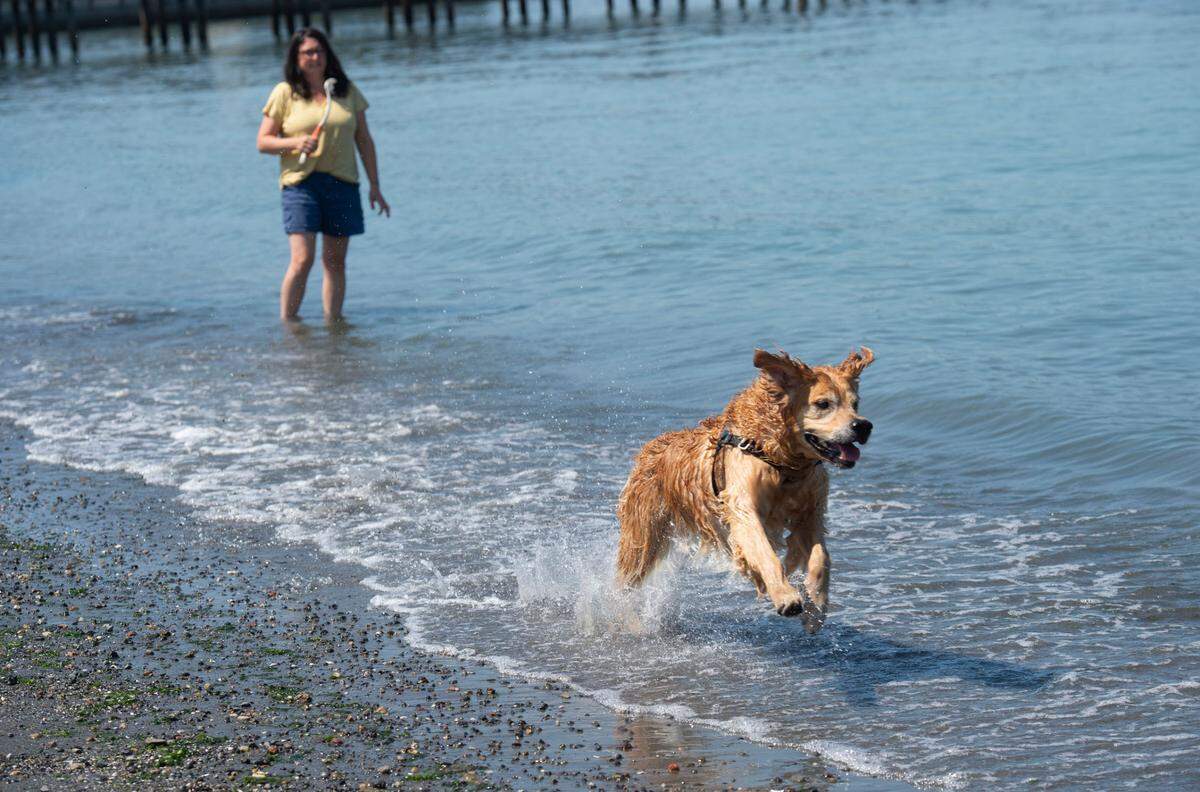
What to do if someone has hypothermia
Being in cold water can cause hypothermia, which produces warning signs of exhaustion, shivering, memory loss, drowsiness and confusion, according to the Centers for Disease Control and Prevention.
If someone has these side effects and has a temperature below 95 degrees, the CDC says to get medical attention immediately.
If you cannot get medical help right away, warm the person up by going into a warm room, removing cold clothes, giving them a warm beverage, electric blanket and layers of clothing, towels or sheets.
Severe hypothermia can cause unconsciousness or a lack of breathing or pulse. Handle the person with care, perform CPR and try to warm the person until medical aid arrives.
This story was originally published July 15, 2022 at 5:00 AM with the headline "Beware of frigid water in WA. How to check water temperatures and swim safely this summer."