These leaders weave social responsibility and Native values in education, environment
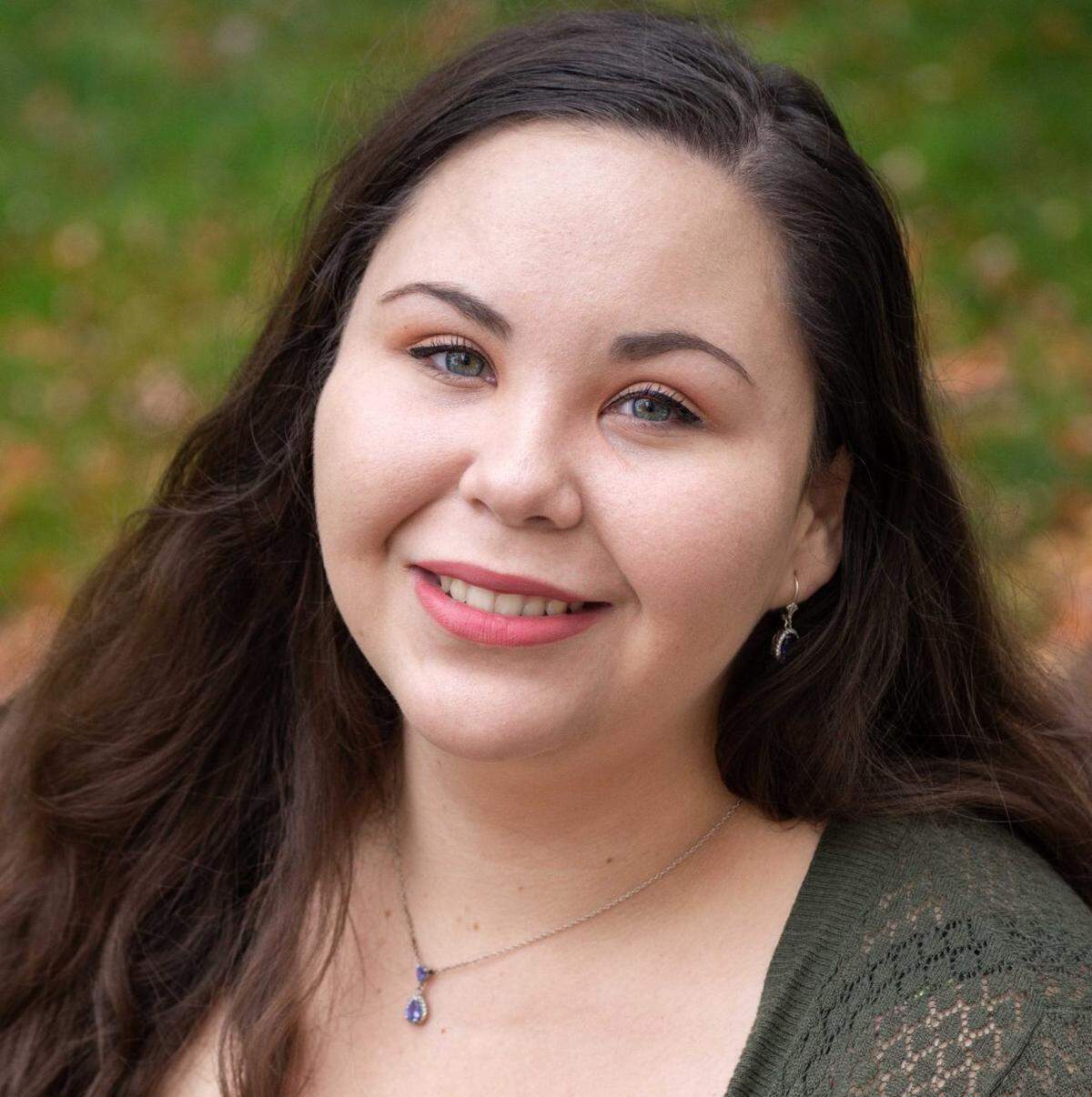
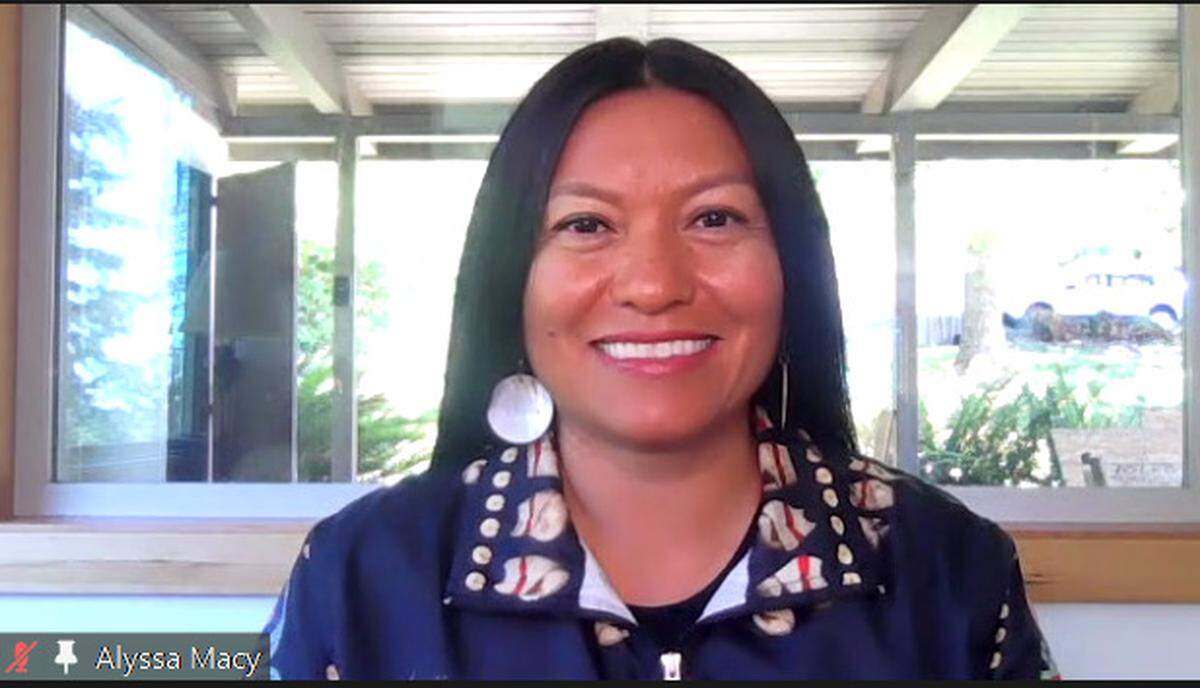
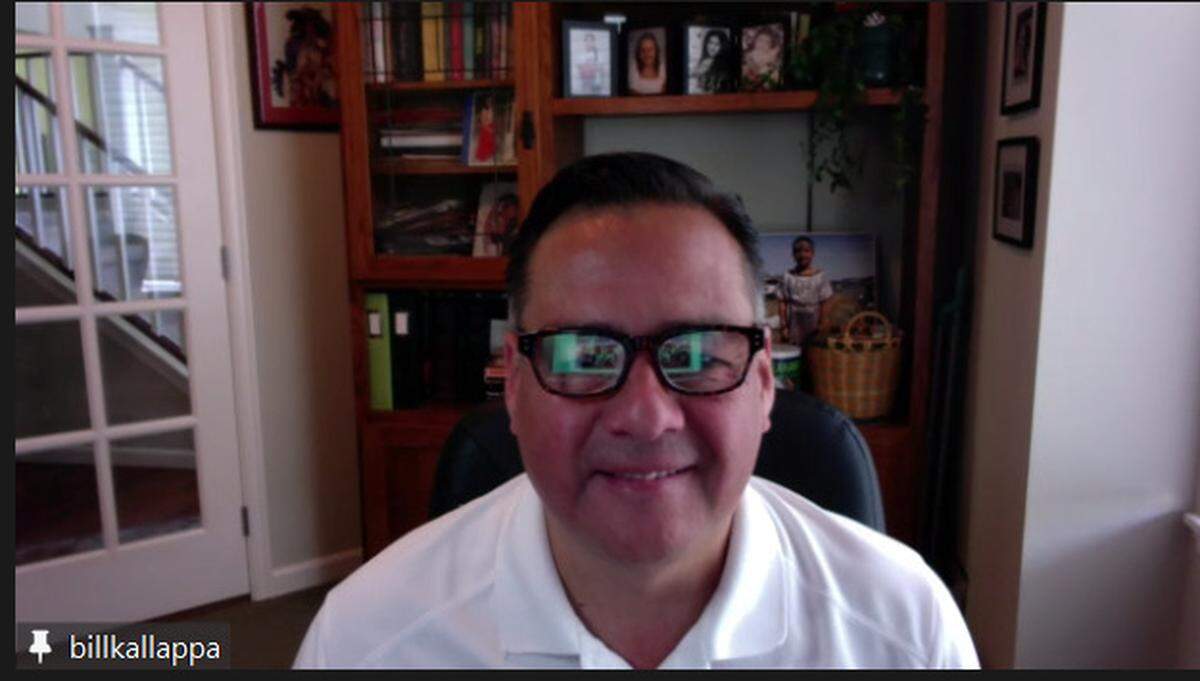
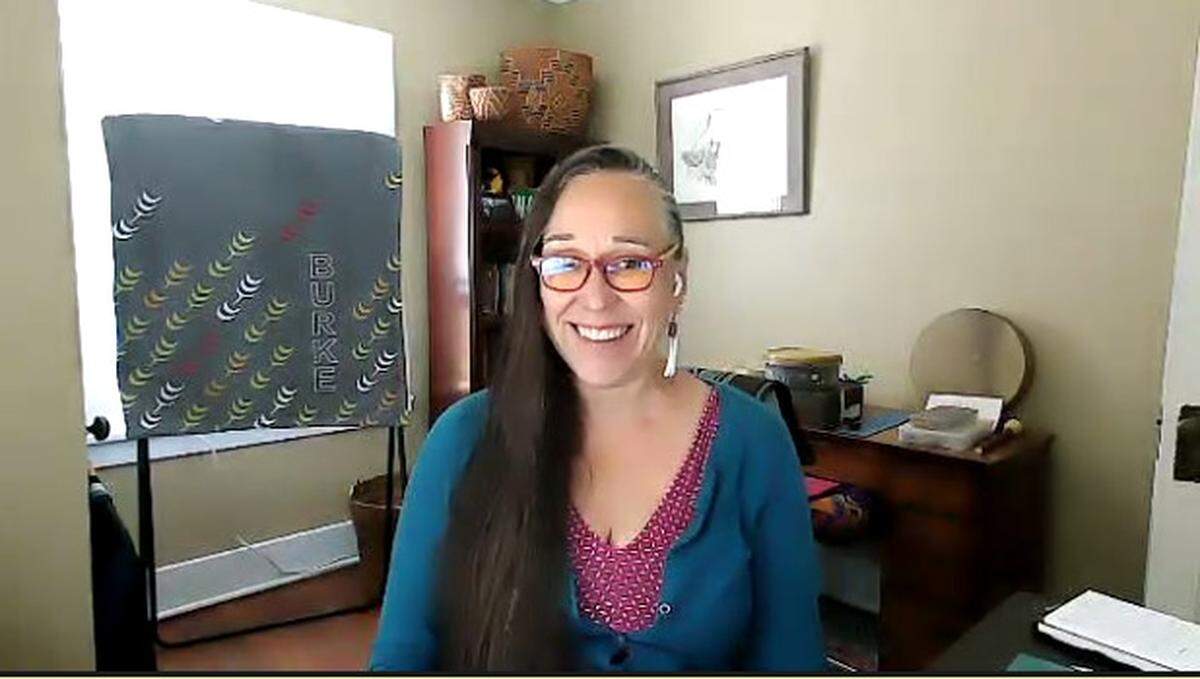
.jpg "Temryss Lane, top left and clockwise, Polly Olsen, Alyssa Macy and Bill Kallapa speak at the Seattle CityClub’s “Civic Boot Camp: Weaving Social Responsibility with Native Values” digital event Friday afternoon, June 18. The panel was moderated by Lane, a Lummi Nation scholar, broadcaster and youth advocate.")
Native American educational initiatives, tribal consultations to maintain state historical collections and tribal sovereignty in environmental work were discussed Friday afternoon, June 18, during the Seattle CityClub’s digital series “Civic Boot Camp,” which explores Native leadership in the Salish Sea Region.
The Zoom event was moderated by Temryss Lane, a Lummi Nation scholar, broadcaster and youth advocate. In a Q&A-style discussion, Lane spoke with the local organization leaders about how their tribal identities influence their work and what it means to be the first Native American in their respective positions. The trio also shared how their institutions with colonial legacies incorporate Native wisdom and what work still needs to be done.
Lane kicked off the event with a discussion on why it is important for people who are not Native to learn about tribal history, people, culture and perspectives. The question circled back at the end, as the group discussed the upcoming Juneteenth holiday, the Black Lives Matter movement, reparations for the Black community and what reparations for Native people would look like.
“In the Native community, it’s about respecting Tribal sovereignty and land back,” Lane said. “Because in that way we can return to our land our teachings and the rightful belonging and accountability that we have and can collectively share.”
Stewardship through sovereignty
Alyssa Macy is the CEO of both the Washington Environmental Council and the Washington Conservation Voters, organizations that aim to protect and restore the state’s environment.
Macy is a citizen of the Confederated Tribes of Warm Springs and was raised on the Warm Springs Indian Reservation in Oregon. She is of Wasco, Navajo and Hopi descent. She shared that she is the first person of color to serve as CEO of her organizations and why non-Native people should learn about the tribal communities whose land they reside on.
“Tribal people have been stewarding the land’s territories and resources in this region, in this country, on this continent, on this planet since time immemorial. And there’s a tremendous amount of Indigenous wisdom and traditional knowledge that will and is helping to answer some of the most complex environmental challenges that we are currently facing,” Macy said. “There’s such important work that we can do together when we find those common things that we care about and love and choose to move forward in community to make good changes.”
Cultural values in schools
Bill Kallappa is a Washington State Board of Education board member and the education liaison for the Nisqually Tribe. He performs educational outreach to local schools and is involved in tribal youth groups and programs. He discussed students’ push for ethnic studies to be taught in K-12 schools and made a high school graduation requirement and why it’s important to listen to their concerns.
“They want to be seen, they want to be heard, they want to be valued. It’s a system that’s largely shoved aside Native students and other students of color as well. They want their heroes reflected in the history that is taught in our schools... We’re in for a fight and we know that, but we’re ready for it because it’s too important not to do it,” Kallapa said. “We had one student say, ‘Our history should be both a window and a mirror. I should be able to look in to see and understand other people’s histories... but I should also see myself reflected in that history as well.’”
Kallappa, a member of the Makah Tribe, was the first Native American adult to serve on the state Board of Education. He is involved in the creation of House Bill 1356, which will ban inappropriate use of Native mascots and logos in schools starting July 25.
BEHIND THE STORY
MOREPlease help support this reporting
Natasha Brennan covers Washington state tribes’ impact on our local communities, environment and politics, as well as traditions, culture and equity issues, for McClatchy media companies in Bellingham, Olympia, Tacoma and Tri-Cities.
She joins us in partnership with Report for America, which pays a portion of reporters’ salaries. You can help support this reporting at bellinghamherald.com/donate. Donations are tax-deductible through Journalism Funding Partners.
You can sign up for her weekly newsletter here.
Tribal consultations in museums
Polly Olsen works as the tribal liaison for the Burke Museum of Natural History and Culture in Seattle, a state museum responsible for maintaining state natural history and cultural heritage collections.
Olsen, a member of the Yakama Nation, is the first tribal liaison for the museum. She spoke about the importance of museums’ collaboration with tribes under the Native American Graves and Repatriation Act.
“Generally, we aren’t at the table. And if we aren’t at the table then people don’t know how to repair the harm and start the reconciliation with tribal communities,” Olsen said. “Through our work, we are able to bring those voices to the table, bring our Indigenous ways of knowing and challenge western science’s practices as one voice and narrative to a collective voice of education and solution, problem-solving, with the issues that we’re looking at in the world.”
More about the tribes
▪ Lummi Nation has more than 5,000 members and is based west of Bellingham on Washington state’s northernmost coast.
▪ The Confederated Tribes of Warm Springs has more than 5,000 members and is based in central Oregon, north of Bend.
▪ The Nisqually Tribe has more than 650 members and is based in rural Thurston County, east of Olympia, Washington.
▪ The Makah Tribe has about 1,500 members and is based near Neah Bay in Clallam County on Washinton state’s Olympic Peninsula.
▪ Yakama Nation has more than 10,000 members and is based south of Yakima in south-central Washington state.
This story was originally published June 19, 2021 at 5:00 AM with the headline "These leaders weave social responsibility and Native values in education, environment."