These are the issues Washington’s Native youth leaders are advocating for
Three youth leaders advocated for environmental protection, legislation to ban Native mascots and the Missing and Murdered Indigenous Women crisis Friday afternoon, June 11, during the Seattle CityClub’s digital series “Civic Boot Camp,” which explores Native leadership in the Salish Sea Region.
“Their vibrant perspective and visions for the future are of the type that are beautiful to the mind’s eye and below the surface are nourishing to the spirit. Some of what they share about the challenges that they face may act as bitter medicine,” said Rena Priest, who was named Washington’s first Native American poet laureate earlier this year. “As you listen to the concerns and hopes of these young people, please acknowledge how their words are not often given this type of platform.”
The Zoom event was moderated by recent University of Washington graduate Owen Oliver, who is of Quinault and Isleta Pueblo heritage, after a welcome and land acknowledgment by Priest.
In a Q-and-A style discussion, Oliver spoke with the panelists about the key issues facing Native youth in Washington and how they are taking leadership roles to address them.
Oliver asked how their leadership is different from that of their elders, the role tribal identity plays in their work and how they are making a difference.
Protecting the environment
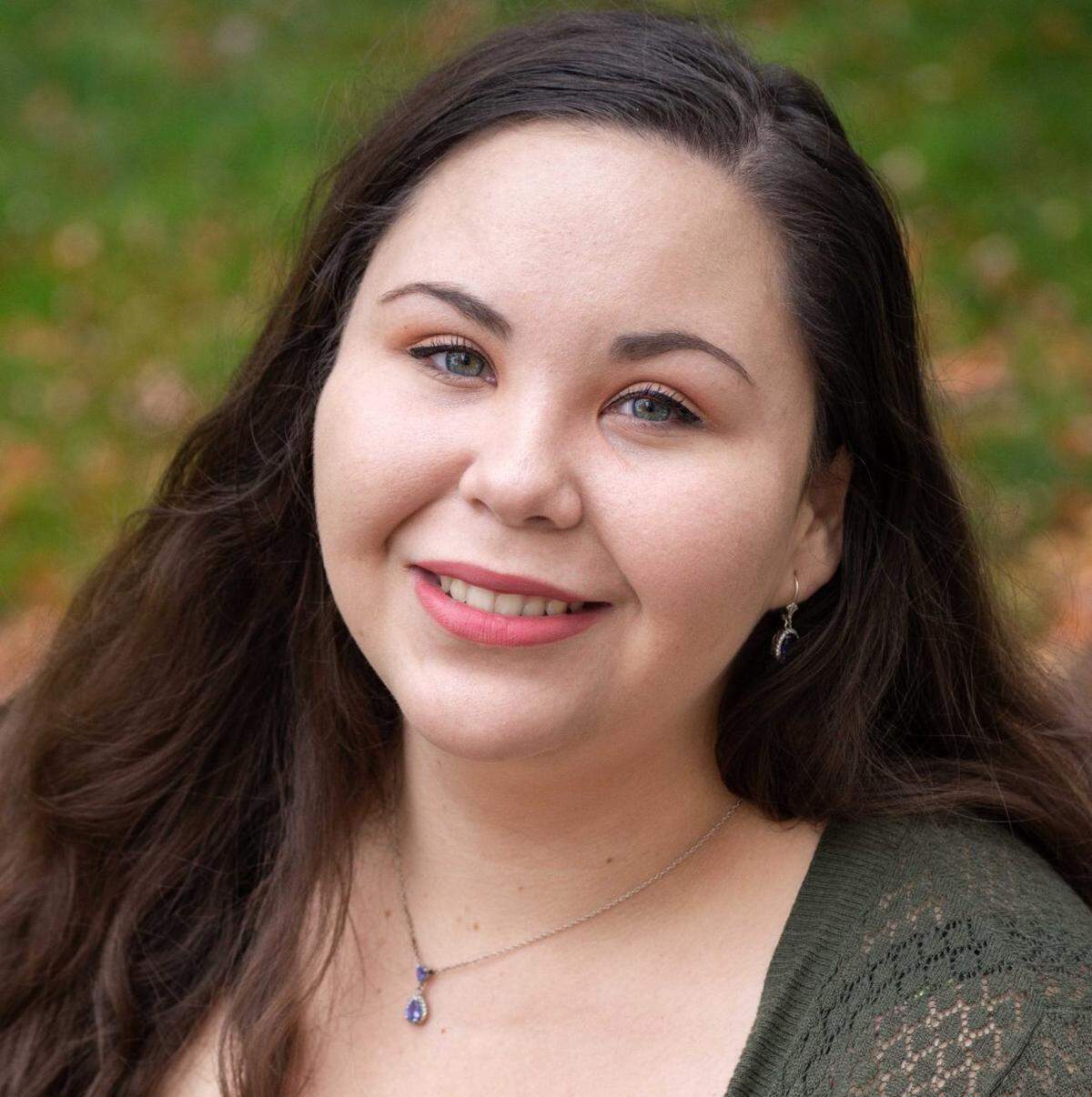
Sadie Olsen, 19, a Lummi Nation member who also uses the Lhaq’temish traditional name Kwastlmut, is a student at Northwest Indian College and co-founder of Whiteswan Environmental, an Indigenous-led non-profit that supports community healing through restoration to the Salish Sea.
She shared about the importance of honoring treaties, protecting the environment and her tribal identity in her work.
“I do my best to always introduce myself in my traditional language and share my ancestry,” Olsen said. “I know that my ancestors wanted me to share wisdom that they had. And nobody else has the same wisdom that I have, the same way that I do, and that’s the same for every single person in this space.”
Olsen is also a founding board member of Whatcom Intergenerational High School, set to open for its inaugural school year this fall, and was named one of the National Alliance for Public Charter Schools’ “30 under 30 Changemakers” in May.
Missing and murdered Indigenous women
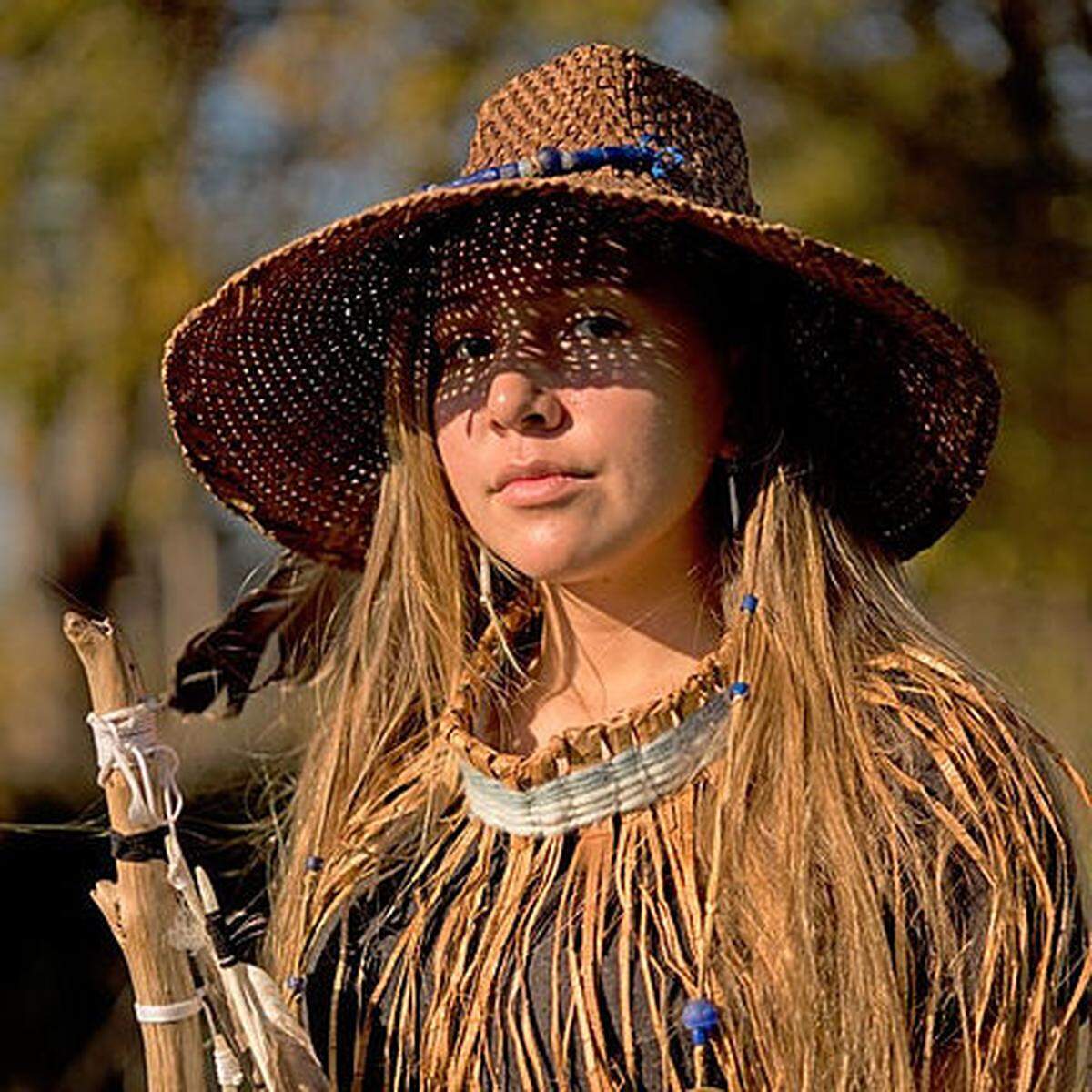
University of Washington student and athletic advocate Rosalie Fish of the Cowlitz Indian Tribe, 20, discussed the intersection of sports and advocacy. She made headlines running in track meets with a red hand-print painted over her mouth and “MMIW” on her leg to raise awareness for missing and murdered Indigenous women.
Fish said she felt isolated as a Coastal Salish runner until she saw Lakota runner Jordan Marie Brings Three White Horses Daniel run in the 2019 Boston Marathon for awareness of the cause. She is excited to run for the University of Washington this year, where she found a coach who understands her advocacy and sport cannot be separated.
“When I saw an opportunity to raise awareness about missing and murdered Indigenous women, it felt like it wasn’t even a choice, but my responsibility,” Fish said. “When I saw Jordan, it really clicked something inside of me... I wanted to do the same for other Native youth who felt like they needed to be seen.”
BEHIND THE STORY
MOREPlease help support this reporting
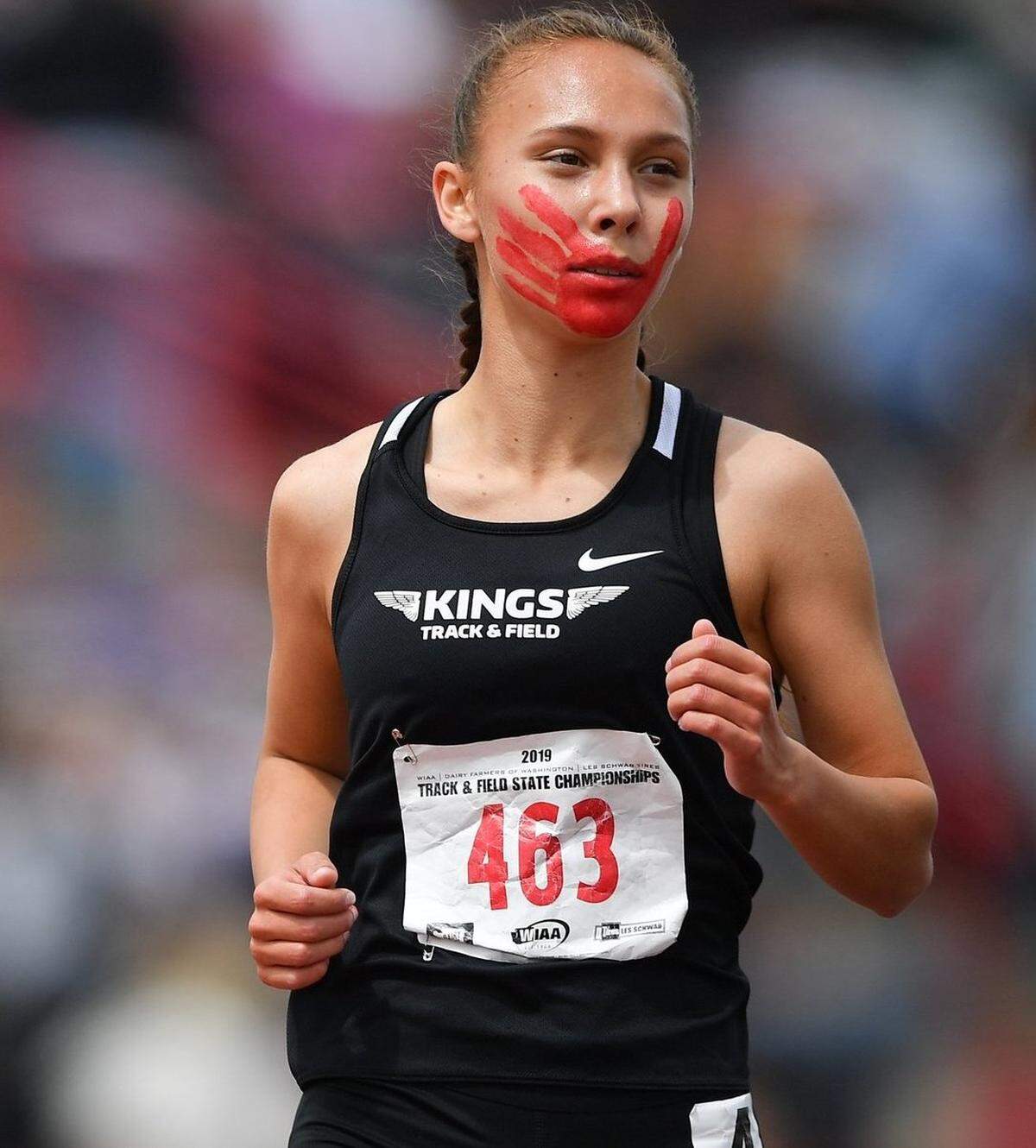
Natasha Brennan covers Washington state tribes’ impact on our local communities, environment and politics, as well as traditions, culture and equity issues, for McClatchy media companies in Bellingham, Olympia, Tacoma and Tri-Cities.
She joins us in partnership with Report for America, which pays a portion of reporters’ salaries. You can help support this reporting at bellinghamherald.com/donate. Donations are tax-deductible through Journalism Funding Partners.
You can sign up for her weekly newsletter here.
Advocating against Native mascots
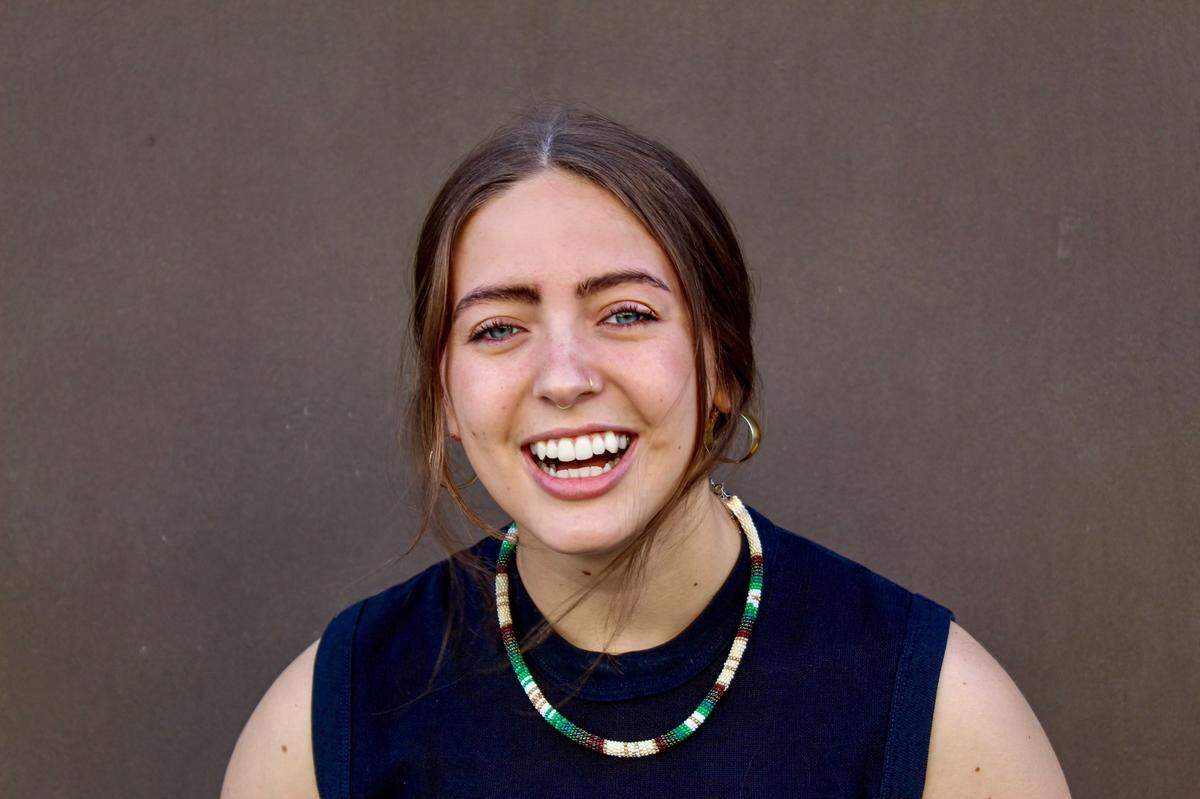
North Central High School student and advocate against Native mascots Ivy Pete, 17, of Spokane shared how she helped write Washington state House Bill 1356, which prohibits the use of inappropriate Native names, symbols or images as public school mascots.
Pete, of Pyramid Lake-Paiute Tribe of northern Nevada heritage, now works with Indian Education Departments in three states and southern Canada.
“Just because we don’t look like this one image that’s perpetuated by Eurocentric standards, does not make us any less indigenous... As I struggle to identify as Native — both because of my skin color or where I live, where my family is and how much language I know — it’s all caused by these same roots of erasure that these images were designed to perpetuate. The concept of Indian as this one-size-fits-all was not designed by another Indian, it was designed by those aiming to oppress and homogenize us,” Pete said.
The Seattle City Club’s last Civic Boot Camp webinar will be held at noon Friday, June 18. “Weaving Social Responsibility with Native Values” will feature leaders from local organizations to discuss how they’re incorporating Native priorities, education and awareness into their programs.
To purchase a ticket for the event, call Seattle CityClub at 206-682-7395 or email cityclub@seattlecityclub.org with “Civic Boot Camp Native American Leadership” in the subject line.
This story was originally published June 12, 2021 at 5:00 AM with the headline "These are the issues Washington’s Native youth leaders are advocating for."