Coronavirus is making it difficult for Whatcom’s commercial fishing fleet this season
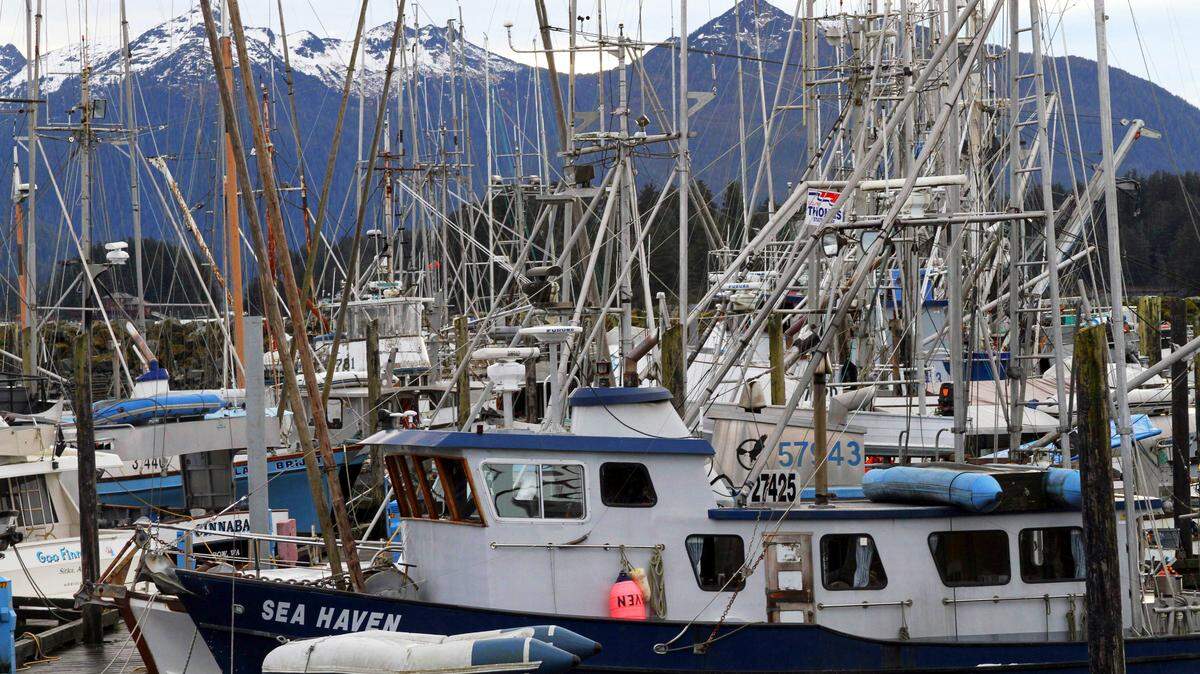
The commercial fishing industry is facing an uncertain summer as Whatcom County’s economy reopens from the global new coronavirus pandemic.
A new report from the Regional Economic Partnership at the Port of Bellingham indicates the local fishing fleet is dealing with a host of hurdles this summer, particularly for fishing boat captains who want to go to Alaska. Crew safety is proving to be particularly tough to figure out, as shown by the three American Seafoods fishing boats that had more than 100 crew members test positive for the virus after docking at Bellingham Cold Storage in late May and early June.
The report surveyed 69 businesses tied to the industry, including 59 commercial fishing boats.
The Lummi Nation fishing fleet is dealing with similar concerns and is coming off a low-demand crab season last winter that decreased prices, resulting in about $400,000 in losses, according to the report.
The Lummi tribal fleet did have a safe geoduck dive fishery at the end of May, with very strict guidelines provided by the Lummi Tribal Health Center. However the number of geoducks harvested was lower, and lower demand in international markets meant less revenue.
“It would therefore be immensely helpful if new local markets for seafood were expanded and strengthened,” the report concluded.
Will there be much fishing?
The report found that more than half of the local commercial fishing fleet surveyed said they weren’t sure they would be able to fish this season. That amount of uncertainty is a big deal; commercial fishing boats have to invest a lot of money ahead of time preparing for a trip.
The commercial fishers surveyed said that annual expenses eat up, on average, 42% of their gross revenue. A significant amount of that investment would be lost if boats were geared up but then couldn’t fish.
Those concerns include potential travel restrictions and border closures; demand for fish not rebounding, particularly from China and restaurants; figuring out childcare needs as well as potential conflicts between Alaska residents and Washington fleets in trying to prevent the spread of coronavirus.
Even so, it appears many of the local commercial boats were going to give a try. Of those 59 with commercial fishing boats, only three said they would not be fishing this season. Those going to Alaska left between mid-May and mid-June, according to the report. Among those surveyed, more than 76% were planning to fish in Alaska.
Five commercial fish processors surveyed for the report have not had to lay off workers at this point. Three of the five processors, which represents hundreds of workers in Whatcom County, were not planning on doing layoffs this season. One reported that if it didn’t get more fish by next month, it might have to shut down, according to the report.
Getting assistance
Being a seasonal industry can make getting financial assistance tricky, according to the report. It noted that some assistance programs don’t provide aid until after the harvest is complete.
Washington state was allocated $50 million through the CARES Act federal package, which has not yet been distributed. Jennifer Noveck, research and communications manager for the Regional Economic Partnership, noted that the federal government expects it to be distributed more quickly than the traditional fishery disaster assistance funds.
Locally the industry is also getting organized in case the season does not go well. The Working Waterfront Coalition of Whatcom County has a web page providing links to financial assistance services that are available to the fishing industry.
This story was originally published June 23, 2020 at 5:00 AM with the headline "Coronavirus is making it difficult for Whatcom’s commercial fishing fleet this season."