Whatcom County Council acts on measure to stop Nooksack River tubing. Here’s why
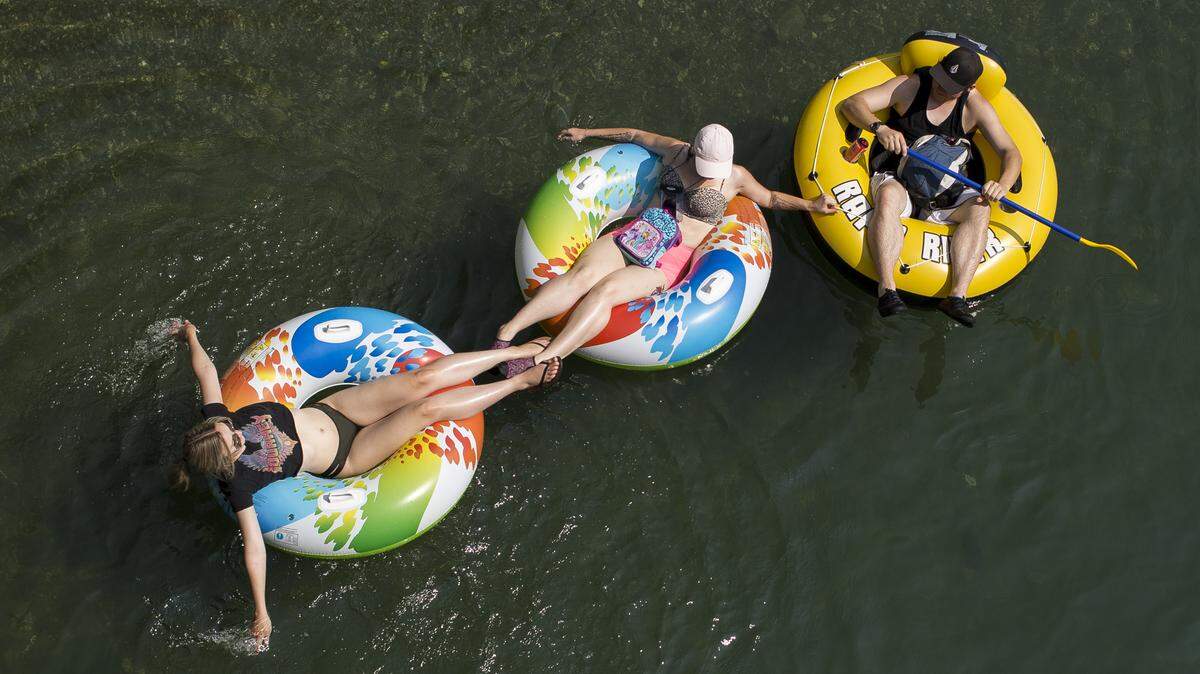
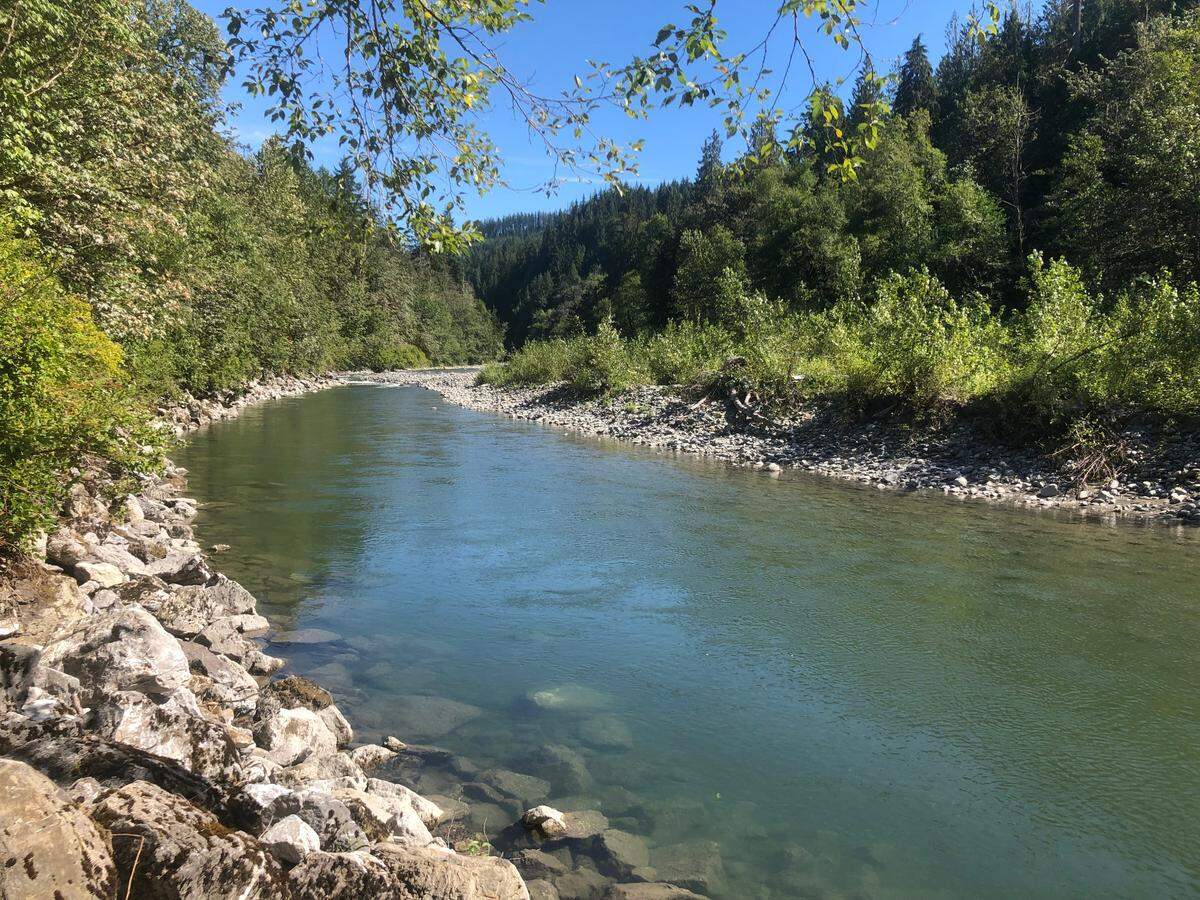
Floating on rafts and inner tubes on the Nooksack River, a popular practice in the summer months as the river meanders through the South Fork Valley, has been outlawed to protect the threatened Chinook salmon.
It prohibits flotation devices of any kind on the river’s south fork from June 1 to Oct. 1 until Chinook spawning runs recover substantially.
Whatcom County Executive Satpal Sidhu was expected to sign the measure Friday, and it was to take effect July 25, said spokesman Jed Holmes.
County Council members voted 4-2 on Tuesday to enact the ban, and it will last until the “early Chinook natural-origin spawners reach 50% of the recovery goal of 9,900” fish, according to the text of the ordinance.
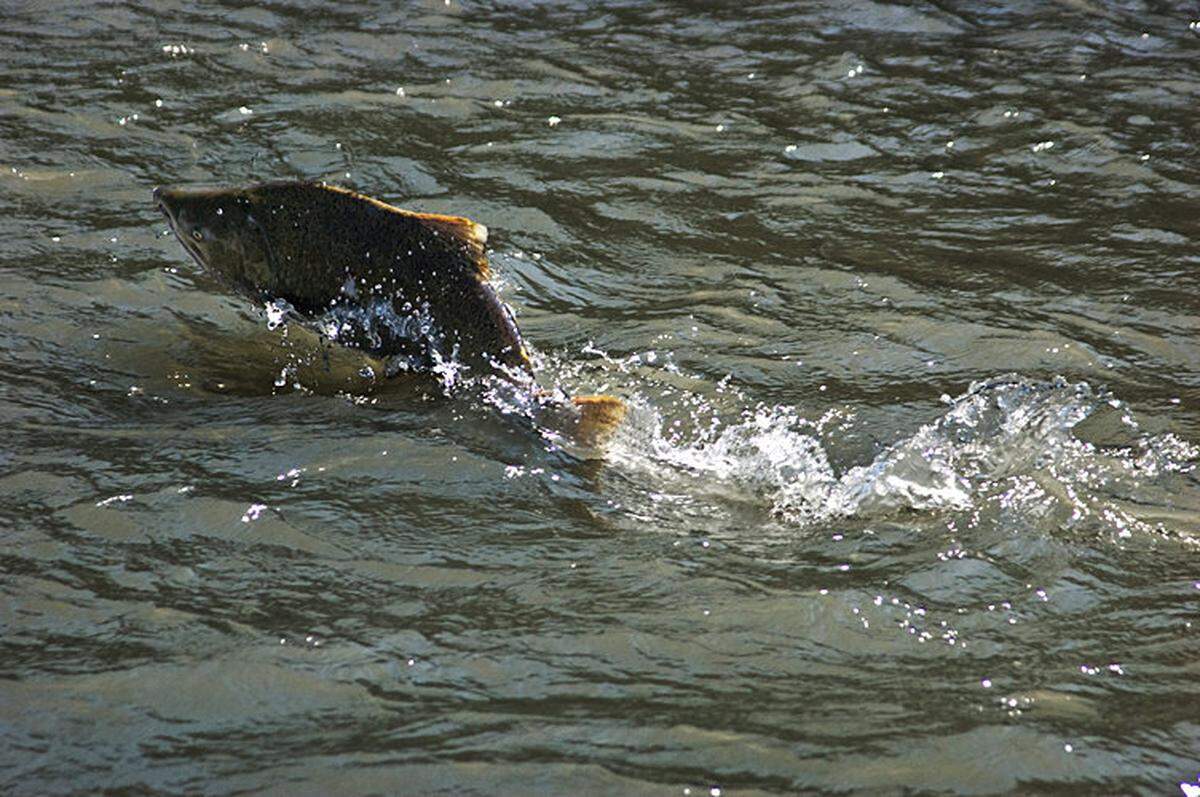
“These fish are dying before they can spawn,” Treva Coe, assistant natural resources director for the Nooksack Indian Tribe, told the council in a presentation Tuesday.
Primary threat to the salmon is low water levels in the river, high temperature and habitat loss, Coe said.
“We know from these published studies that rafting and other forms of recreation can stress Chinook and increase the risk of pre-spawn mortality,” she said.
Tubing can also disturb salmon nests called “redds,” and kill the eggs, Coe said.
Some 2,400 Chinook died in the south fork in summer 2021 during a blistering “heat dome” that sent temperatures above 100 degrees, Coe said.
Several speakers at a public hearing Tuesday claimed without evidence that the scientific studies were faulty and that tubers weren’t harming the fish.
Others said the ban would harm South Fork Valley businesses that rely on recreational visitors.
“We will not survive without the additional revenue that is brought in during the summer,” said Jackie Rossing, owner of the Acme General Store.
Councilmembers Tyler Byrd and Ben Elenbaas voted against the measure, and Councilwoman Kathy Kershner was absent.
Elenbass said he feared the council’s action would alienate the community, where businesses profit from the crowds who enjoy the summer pastime of floating down the river in inner-tubes.
“I’m just not convinced that a ban on tubing is the right thing. I would much rather go back to the drawing board and come up with a management plan,” he said.
Councilwoman Kaylee Galloway said the river’s south fork is “the highest priority for recovery” for the state Department of Fish and Wildlife, the Nooksack Indian Tribe and the Lummi Nation.
Further, salmon are an “indicator species” for climate change, Galloway said.
“We might as well think of salmon as the canary in the coal mine, warning of future danger,” she said.
Coast Salish people revere the salmon spiritually and rely on them for food, according to the Lummi Nation website.
“Salmon play an important role in the lives of the Lummi people; ceremonial practices, subsistence, and economic well-being of tribal members are major factors to promote and protect salmon populations in the area of the Lummi Nation,” the website said.
Chinook salmon are the primary food source for the southern resident orca, which is considered endangered under the U.S. Endangered Species Act.
This story was originally published July 13, 2023 at 2:21 PM.