
How Much Cars Depreciate, and How to Reduce That Cost
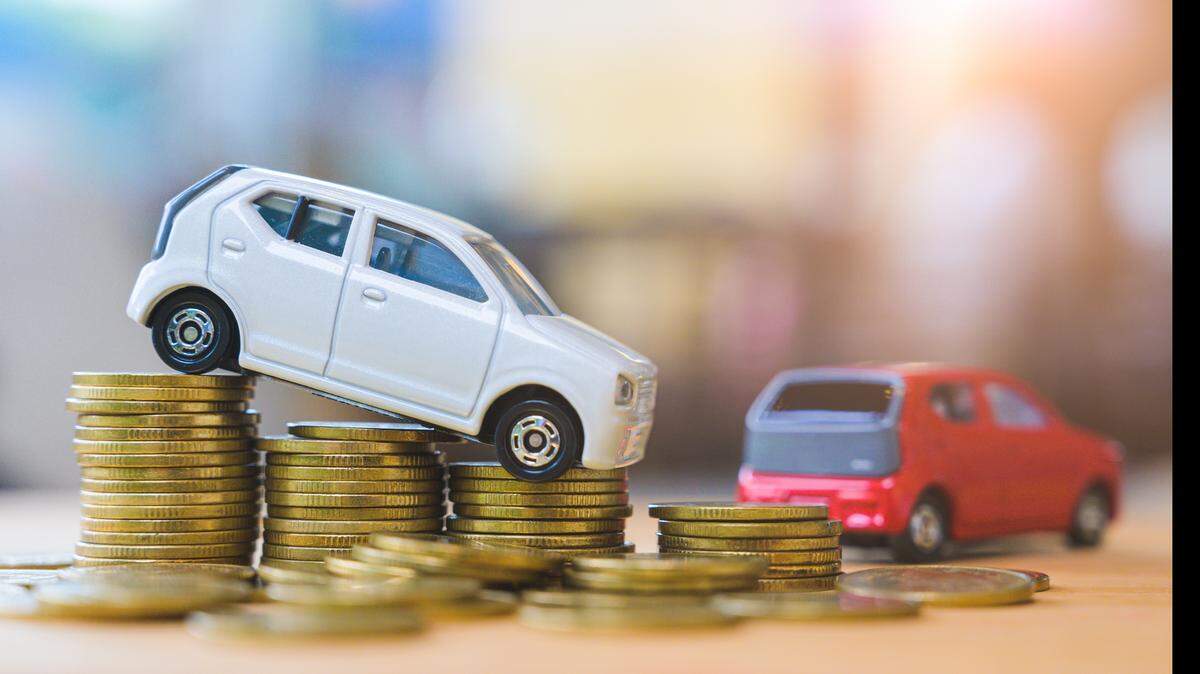
The hard truth about buying a new car is that it starts to lose its value as soon you drive it off the dealership lot. This decline in worth, called depreciation, continues through the car’s life and quietly erodes the potential equity you hold in one of your biggest purchases.
If, like many drivers, you’re planning to trade in your car or sell it down the line, depreciation can have a major impact on your wallet.
Here’s how and why cars depreciate and how depreciation should affect the vehicle you buy and how long you keep it.
How much do cars depreciate?
Cars lose value rapidly — often much faster than their owners anticipate. According to Carfax and Edmunds, a new car typically loses 20% to 30% of its value in the first year alone. After five years, many vehicles have lost up to 60% of their original sticker price.
To put that into perspective: a $40,000 new car could be worth less than $30,000 by the end of year one, and potentially drop below about $15,000 by year five.
How to minimize depreciation
Depreciation is all but unavoidable, but there are several ways to reduce it.
Buy used. Because vehicles depreciate most in their early years, it’s financially savvy to choose a car that’s at least two or three years old in lieu of a new model. A nearly new vehicle costs thousands less than a new one yet may still offer similar niceties, safety features, and performance capabilities.
Drive less. Depreciation isn’t only about a vehicle’s age, how much you drive it also plays a role. The more you drive, the more value you’re going to lose on your car. That’s evident in listings for late-model cars that are notably inexpensive. Usually, those vehicles have high mileage for their age.
Take care of your car. Routine maintenance, and service records that document it, can go a long way towards getting the best price for your car when it’s time to sell it. It’s also smart to keep your vehicle clean and avoid potentially unpopular modifications like unusual paint jobs or loud exhaust systems.
Select by resale value. Brands and models of car differ in how much they depreciate. Use resources such as the Consumer Reports reliability ratings – based on the repair experiences of car owners – and the Kelley Blue Book Best Resale Value Awards to help predict how various car choices may stack up for reliability. (The same sources can also help you research the likely prices of used cars – with more reliable models tending to be more expensive, because of lower predicted repair costs for the remainder of the car’s life.