
Insurance Tips When Property Damage Crosses Property Lines
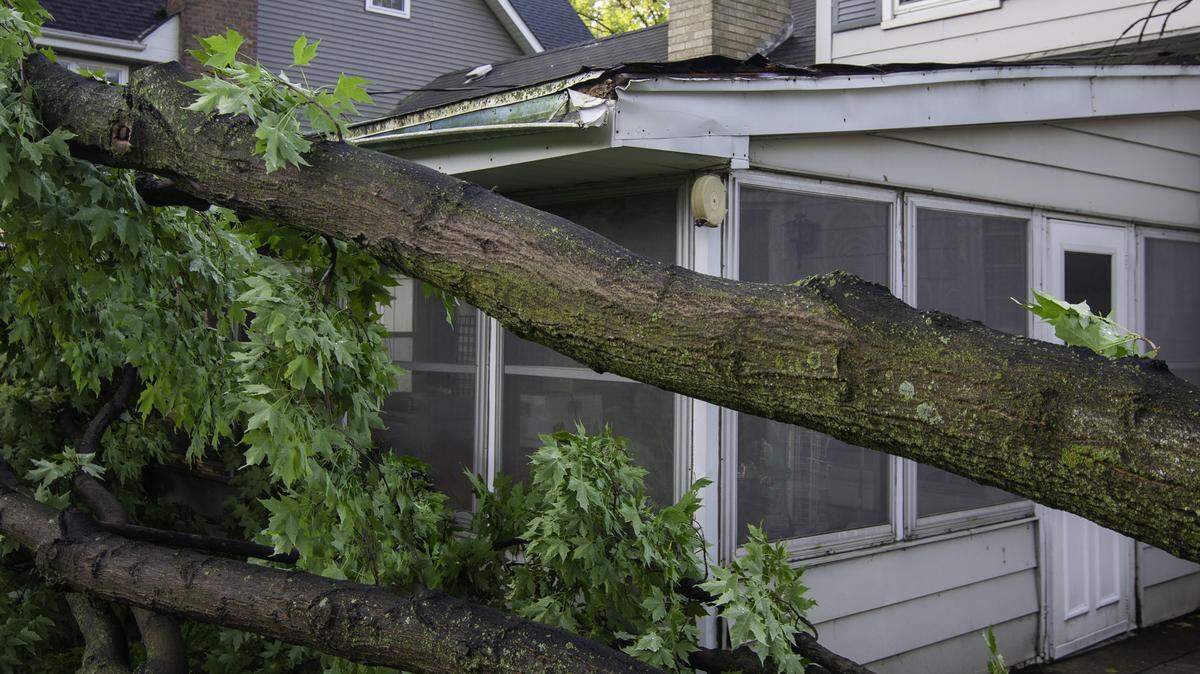
Nature doesn’t respect property lines. Unlucky homeowners find that when high winds send a neighbor’s tree sprawling across the driveway, damaging cars, or heavy rain creates a torrent of water that breaks through a neighbor’s retaining wall, flooding the basement.
Who’s responsible for the damage in situations like these — you or your neighbor? And will insurance cover the cost?
The answers can be complicated. They rest, first, on whether the damaging event is deemed to be someone’s fault or — using legal lingo — an Act of God for which no-one is culpable.
Then there’s the matter of where the event occurs. For example, in Florida, strict water runoff rules can increase the odds you’ll be held liable for flooding your neighbor, whereas states like Arizona lean more heavily on Act of God defenses in storm-related cases. Then there’s the type, or types of insurance that you and your neighbor each cover.
Here’s what you need to know when trees, water or other perils cross property lines and damage your home (or from yours to your neighbor’s).
Contact your home’s insurer
Your homeowner’s policy is the first line of defense, covering damage to your property regardless of who caused it — unless the policy explicitly excludes the peril, as with flood damage.
That means your first action should be to contact your insurer, who can help you navigate a claim and determine liability, or advise you on how to do so. Add, maybe? If you’re on good terms with your neighbor, give them a heads-up that you are doing this, and let them know your insurance company may be reaching out to theirs.
Your insurer should do the work of determining if your neighbor is responsible, and whether the claim should be paid on their insurance. For example, if a landowner is aware of a dead or dangerous tree and takes no action — or worse, aggravates its condition — they may be held responsible if it falls and causes damage.
Contact other insurers as needed
If your vehicles suffer any damage, and your neighbor is not found liable for it, coverage will come from your automotive insurance. That is, assuming you carry comprehensive coverage under your policy, as most drivers do.
Flooding isn’t covered by most homeowners insurance, but by separate flood insurance policies. If you have such a policy, you will need to contact your flood insurer. The definition of flood damage includes such perils as landslides caused by water that combines with soil or other material.
Also, your neighbor can be held responsible if your insurer or attorney shows that they made changes to their property that created an unreasonable risk of damage to nearby properties.
This story was originally published September 18, 2025 at 9:30 AM.