
Accessible holidays tips from the Northwest ADA Center
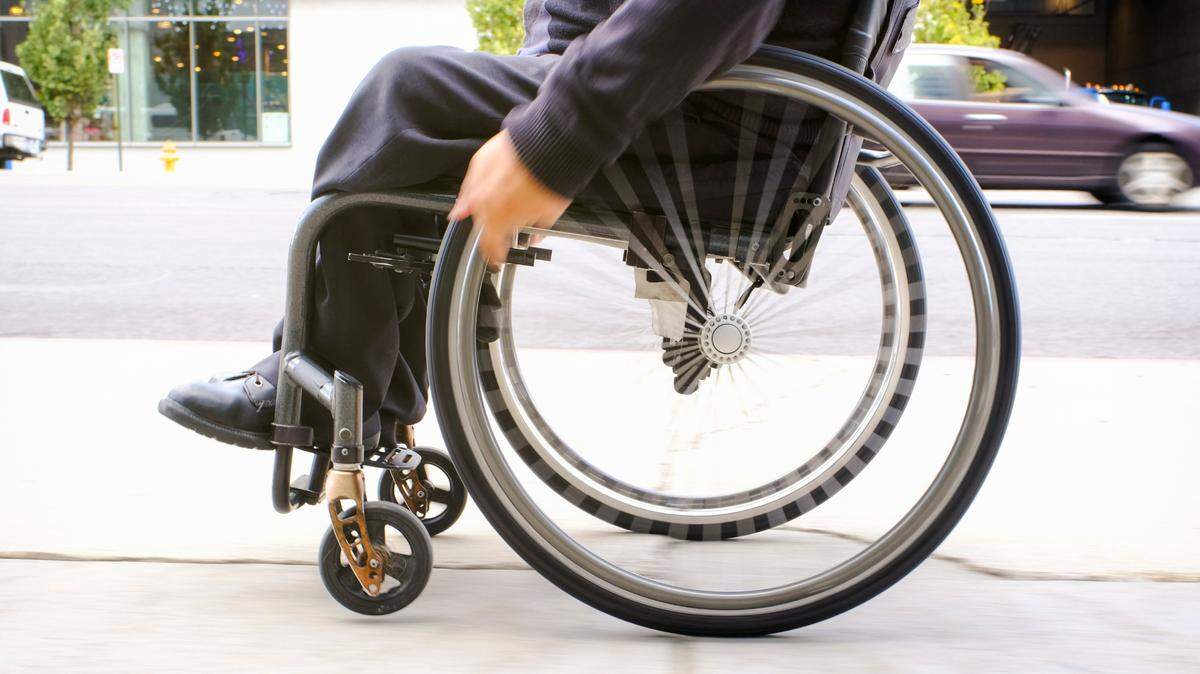
The holiday season brings together friends and family, some of whom we haven’t seen in many months or years. Reconnecting and rediscovering those bonds can bring overwhelming joy and excitement. To ensure we create joyful and memorable moments, we can all take a little time to think about how to improve accessibility in our homes, work spaces and public areas so that we can each be a part of the festivities never feeling forgotten or left out.
Before the Americans with Disabilities Act (ADA) was passed in 1990, people with disabilities experienced varying degrees of inclusion and access. The built environment around them often did not prioritize accessibility for anyone utilizing mobility devices or assistance aides, for example. Pathways could be too narrow or uneven, creating tripping obstacles or hazards for people with visual impairments. Public spaces can be riddled with potential obstacles for anyone using a wheelchair, walker, a service animal or a cane.
The federal government coalesced upon agreement in the 1960s that disabilities should not prevent access to services in government buildings resulting in the Architectural Barriers Act of 1968 (ABA), which required federal buildings to address accessibility. Awareness of architectural barriers was already underway, and with the ABA efforts expanded to enhance access at federally funded buildings in their design, construction and any subsequent alteration.
Obstacles in the built environment, addressed by the ABA, ADA and other laws, create more than physical barriers: they eventually lead to social and emotional barriers. When unable to access a building, one may stop going to that physical space. If the community is filled with inaccessible spaces, then individuals may ultimately become isolated, feeling unseen and unwelcome.
The ABA and the ADA are examples of laws that recognize how important it is for people with disabilities to be part of the community. This holiday season it’s important to check our physical spaces for any potential barriers to ensure our friends, family, and co-workers will be comfortable and safe.
If planning a party at an unknown building, find out whether that space is accessible. Often, we incorrectly assume public spaces have the requisite accessibility features. A multi-story building might not have an elevator, especially an older historic building. In that case, planning a gathering on the first floor would ensure greater access.
A helpful way of recognizing potential accessibility issues, and not just those in our built environment, is to simply ask before the event whether an individual may need an accommodation, and then plan accordingly. Food allergies are very common, so being aware and providing information to guests about allergens is helpful. Visual or hearing impairments could also impact how one may plan the event. It can be a good idea to keep notepads and pens available for guests needing them to communicate, or even hire an interpreter for greater substantive conversations.
A festive gathering, whether large or small, may create for some guests a sensory overload, that feeling where there’s too much information and sensations happening to comfortably process. It could be helpful to have a quiet space at the holiday gathering for people to move away from the overwhelming environment until comfortable returning to the more engaging festivities.
Remember, we don’t know what we don’t know. Not all disabilities are visible. People with disabilities would likely prefer others to ask for clarification to better understand rather than assume limitations leading to mishap or, worse, exclusion. Taking some basic steps to increase awareness and engaging in a dialogue can build a safer space for others, which will have lasting impacts this holiday season and into 2025. Our center, the Northwest ADA Center, is here to assist by answering your questions about the ADA and helping you find resources for more accessible holiday gatherings and accessibility for the balance of the year, too.
John Dorris, Esq., is assistant director of the Northwest ADA Center.