
Washington farmers want to conserve — let’s support what they need to make it happen | Opinion
Growing up, I remember visiting my father’s uncle’s house and marveling at his model tractors: the power and elegance of these machines to subdue the earth God gave us was beautiful to me and my relatives. A lifelong farmer, like many in my family, my grandpa’s brother cherished the call to stewardship of his land.
When I moved to Central Washington in 2018 and called the hills I saw from his house as a child my home, wildfires had become more severe with the attendant smoke, consistent temperatures rose, and the Yakima Valley was beginning to feel the first impacts of climate change on its workers and crops. Heat and water stress are here to stay as part of our new normal which will only continue to get worse.
Cherry growers lost over 4 million boxes due to excessive heat and the USDA had to declare a formal emergency for 11 Eastern Washington counties facing major losses in their output. Agriculture is one of our state’s biggest industries, creating over $12.8 billion in annual revenue in 2022 and supporting 200,000 directly related jobs. Across the country, the data is even more compelling: 75% of young, rural conservatives believe that climate change will negatively affect U.S. agriculture, and farmers and ranchers will feel the most impact.
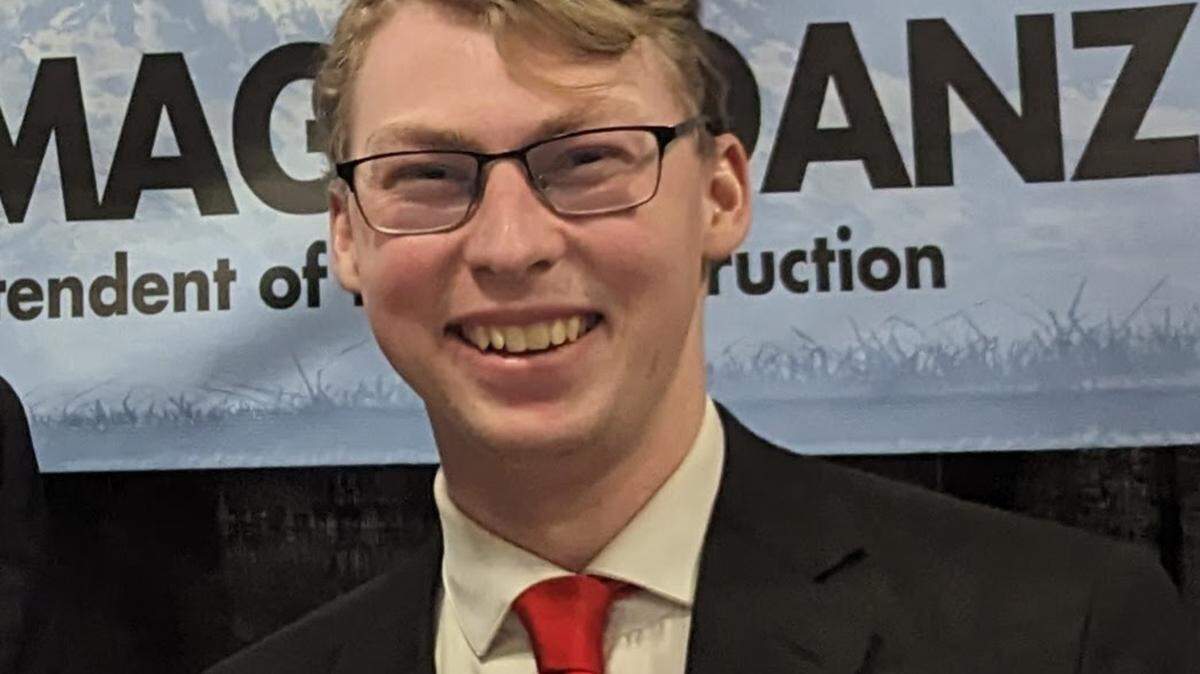
I recently tabled at the Washington State Republican Convention in Spokane and met dozens of activists, rural leaders, precinct officers and delegates. Although not every conversation ended the same way, I met a number of farmers and many were concerned about climate and the impacts on their family’s livelihoods. One of the people I spoke with who owns a family farm in Kitsap expressed worry and uncertainty about the most cost-efficient ways to protect his land and livelihood. We engaged in a wide-ranging conversation that will hopefully inform the options his local Conservation Board will evaluate in the area. I came away from the convention with the conviction that farmers know what’s best for their farms, but need the support, data, and tools to finish the job against the varying threats climate change poses.
Farmers are the original conservationists — the original climate champions — and know how to steward their resources and land. The natural climate solutions we need to stave off the worst of climate impacts will be led by farmers, and they contributed 14.5% of greenhouse gas offsets in the U.S. last year. Ensuring sustainable rural development and advancing regenerative agriculture are essential to the future of rural communities across this state, from Whatcom to Walla Walla County, and current USDA programs are insufficient to meet the incredible demand for the financial and technical assistance that enables these practices. Without a healthy environment, from soil to water table and biodiversity, farming cannot survive the way we need it for the 21st century.
Regenerative agriculture is critical to building resilience in Washington’s agricultural systems and protecting farmers while mitigating climate impacts and reducing emissions. At its heart, regenerative practices sustain today’s resources for future generations, extending well into the future the productivity gains we’ve witnessed from more efficient technologies and precision equipment. In just one example, the Natural Resources Conservation Service is supporting enteric methane reduction that will remove the equivalent emissions of over 50,000 cars with no cost impacts to participating producers. From preserving soil health through cover cropping to responsible carbon sequestration practices that contribute to natural climate solutions, farmers can continue to innovate and advance the needs of people today and people tomorrow.
Farms like 21 Acres, Green Bow Farm, and Clover Mountain Dairy have all implemented a toolkit of regenerative practices to bolster their climate resilience, long-term productivity, and economic development through conservation, the original conservative principle. Our values of freedom, autonomy, and market agency should mean that American farmers ought to be empowered with the tools and resources they need and make the choices only they know will work best on their farmland. Together, we can equip our rural communities for success in beating back the changing climate while fueling good jobs and expanding human flourishing.
I remember fondly the time I spent gazing across Washington’s boundless fields of wheat, apples, and hops in the car with my family traveling across the state for Thanksgiving, and I hope my children can grow up with a robust agricultural sector powering Washington’s rural health, exports, and international competitiveness as part of a dynamic economy and society.
Let’s empower our farmers to be the climate champions we know they are for future generations and build a better tomorrow free to grow sustainably and free from a worsening climate.
Conor Lincoln is an ambassador of the American Conservation Coalition (ACC) based in Bellingham. He currently studies economics and political science in the Honors College at Western Washington University and is passionate about national security and environmental policy.
This story was originally published June 5, 2024 at 3:00 AM.