
Some blame WA’s high egg costs on cage-free laws. Their story makes no sense | Opinion
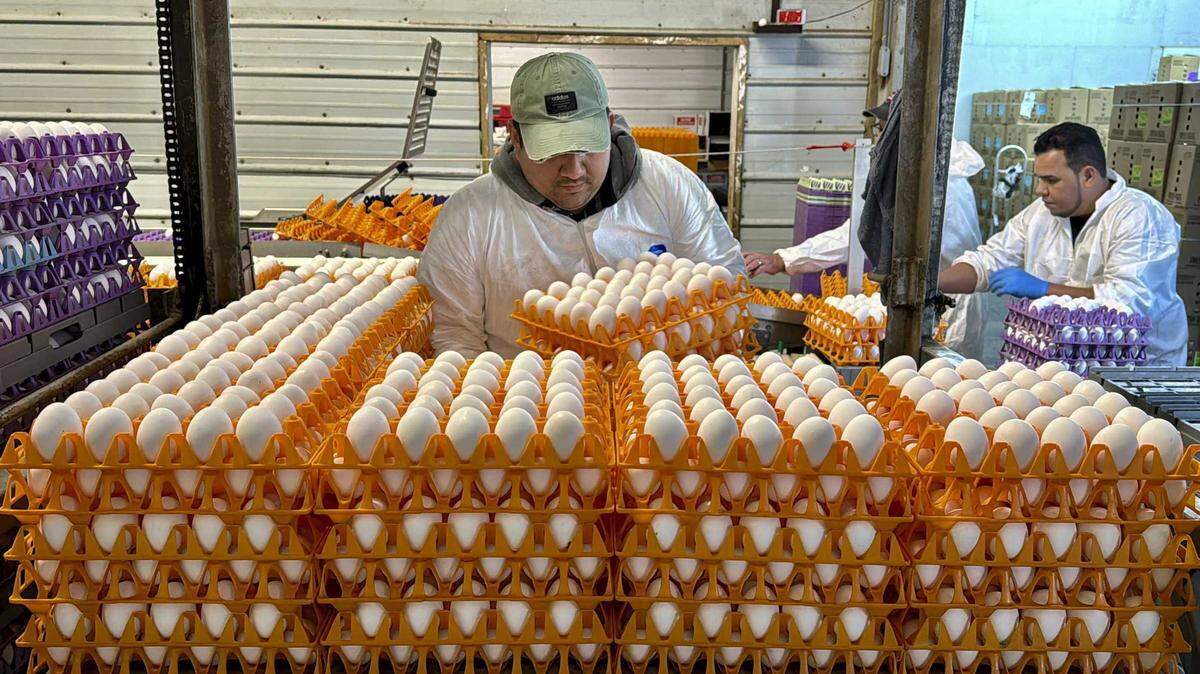
A recent op-ed written by Amber Gunn of the Mountain States Policy Center and published by The News Tribune — blaming Washington’s new cage-free law for rising egg prices — missed the mark.
The legislation in question, which resulted from a collaboration between Washington farmers and animal advocates, creates strong benefits for public health and animal welfare.
Attributing current price fluctuations solely to this law disregards the real causes.

First, the flu. We are currently in the midst of a new resurgence of avian flu, which has devastated chicken populations nationwide, leading to supply chain disruptions and raising egg prices. According to the Centers for Disease Control and Prevention, avian flu has affected more than 81.7 million birds in the U.S. since January 2022. This sweeping disease is what’s responsible for the majority of increases in egg prices, not cage-free legislation.
Next, the cruelty. Confined to a space smaller than an iPad, the birds raised in egg production facilities aren’t even able to fully spread their wings. They’re forced to eat, sleep and defecate in the same small area. People would be appalled if dogs or cats were locked in cages that virtually immobilized them for their entire lives.
These miserable conditions also make the birds more susceptible to diseases like Salmonella, which can be transmitted to humans through contaminated eggs. Extensive research supports the link between caged bird conditions and increased Salmonella risk.
Washington’s cage-free egg law seeks to remedy these conditions, while providing a farmer-friendly implementation timeline that ensures regulatory certainty.
Farmers across Washington understand that the future is cage-free. They asked for an implementation period that would provide market sustainability and predictability, and Washington’s cage-free egg law did so. With a clear timeline and universal standards based on the industry’s own guidelines, farmers were able to plan their investments and operations with confidence, knowing the future landscape of the egg industry here.
Egg industry data shows that California, which has a similar cage-free law that’s been in effect for over two years, experienced minimal price changes after implementation. These changes amounted to less than a penny per egg. While there may be temporary fluctuations in Washington as the market adjusts, the industry’s experience elsewhere confirms that these price differences are short-lived.
Over 200 of the country’s largest food companies have committed to exclusively sourcing cage-free eggs. None have reported having to drastically increase prices for consumers after making the transition. Ms. Gunn posits that recent increases at Costco have resulted from cage-free legislation but that can’t be so, because virtually all the eggs offered at the store have been cage-free since 2022, before the law took effect.
McDonald’s has just reached 100% cage-free at all of its United States locations. When McDonald’s made the commitment to go cage-free, it pledged not to raise prices, demonstrating that it’s possible to go cage-free while keeping costs low.
This bodes well for Washington consumers and producers. Washington’s cage-free law exemplifies a collaborative approach to promoting safer, more humane eggs without compromising affordability.
The egg market will normalize in our state, as it is doing in other places across the country.
Dan Paul is the Washington state director of The Humane Society of the United States.
This story was originally published March 18, 2024 at 5:00 AM with the headline "Some blame WA’s high egg costs on cage-free laws. Their story makes no sense | Opinion."