
Washington must fix this ‘superpredator’ era sentencing law. Take it from a judge | Opinion
As a former federal prosecutor and sitting superior court judge, I’ve seen firsthand how devastating outdated laws can be.
In 1997, our legislature decided to automatically sentence adults to longer sentences because of offenses they committed as children. This decision arose from the child “superpredator” panic — the now-debunked idea that children who commit crimes, particularly Black children, are irredeemably dangerous.
For 25 years, judges have been forced to punish adults more harshly because of their juvenile records. Children of color — so overrepresented in juvenile court — have borne the brunt of that punishment.
The legislature could now fix the legacy of that decision. House Bill 1324 and Senate Bill 5475 ensure that individuals won’t automatically face longer sentences for actions taken when they lacked the experience and judgment to follow the law. It also provides a review mechanism for people who automatically received longer sentences because of their juvenile records.
Young people’s brains, we know with growing clarity, are not fully formed. Their brains will continue to develop into their mid-20s, affecting their impulse control and judgment. We already recognize this through our Juvenile Justice Act, which treats juvenile offenses as something distinct from ordinary crime.
The terms used in juvenile court — respondent vs. defendant, confinement vs. custody, restorative justice vs. punishment — all recognize that a juvenile is different than an adult and a juvenile offense is different than an adult crime.
This bill will not affect the most heinous offenses a juvenile could commit — homicide, rape, first-degree assault, for example. Under Washington law, such serious offenses are addressed in adult court even if committed by a 16- or 17-year-old. As such, this bill would not apply to such crimes. What is left are the examples of impulse control that characterize youthfulness and require some grace.
This is not to say that a juvenile’s past simply disappears. A judge will be able to consider the full criminal history of a defendant at sentencing. This will in turn give our state’s judges the flexibility to move up or down the sentencing range after accounting for that history.
To fix a historical wrong, we must ensure that the bill applies retroactively. Certainly, the need for resentencing will create additional caseloads for the courts. But that should not dissuade anyone. Holding hearings is what we do.
Several recent court decisions have led to large classes of resentencing for those subject to unjust sentences. In unwinding some of the mistakes of mass incarceration, the courts have proven themselves capable. Prosecutors and defenders have proven themselves capable.
More to the point, if these sentences are too unjust for future cases, then they are also unjust for those already serving sentences based on the same mistake. It is our responsibility to make sure the people serving those sentences have access to justice. They deserve a resentencing.
For decades, Washington has allowed bad policy to devastate the lives of our young people, feeding a prison system that disproportionately incarcerates Washingtonians of color.
Let’s change it.
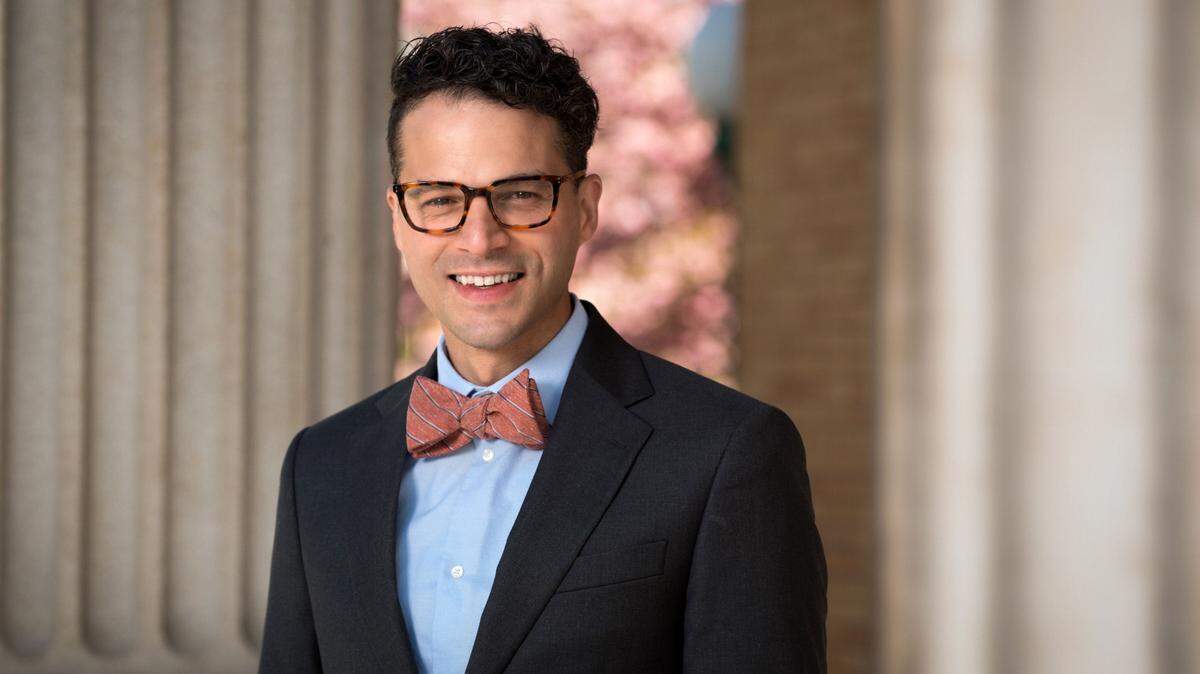
André M. Peñalver lives in Tacoma with his wife and children and moderately productive garden. He is a judge for Pierce County Superior Court.
Clarification: Since this op-ed was published, some readers have expressed confusion regarding Peñalver’s description of Washington’s automatic decline law. The op-ed has been updated to clarify Peñalver’s views and opinions.
This story was originally published February 8, 2023 at 5:00 AM with the headline "Washington must fix this ‘superpredator’ era sentencing law. Take it from a judge | Opinion."