
We face a public health emergency because hospitals can’t discharge patients to care facilities
Our healthcare system in Washington state is in a crisis, with hospitals caring for large numbers of patients who medically no longer need to be in the hospital. The reason? The hospitals are unable to transition these patients to skilled nursing and long-term care facilities, which can’t accommodate them.
The lack of space in these facilities has many causes, including staffing and reimbursement challenges that limit the beds available for patients ready for discharge from our hospitals.
As residents of Washington, we depend on Harborview Medical Center in Seattle to be there for everyone who needs care at the only Level I Adult and Pediatric Trauma and Burn Center in our state.
With its highly specialized clinical teams and staff, Harborview is open around the clock to provide life-saving care to the most critically ill or injured patients. It is also ready on a moment’s notice to provide emergency care in the event of a major disaster or mass casualty event.
On Aug. 11, Harborview went on “divert” by sending ambulances with less complex patients to other hospitals to preserve our ability to provide trauma care and disaster response. While licensed for 413 beds, Harborview was consistently caring for over 520 patients each day and recently reached a peak of 562 patients. Harborview stopped diverting patients on Thursday, after reducing the number of patients to about 500.
A major contributor to the high census is that we have consistently had more than 100 patients who no longer need to be in the hospital but cannot be discharged due to the difficulty of finding placements in skilled nursing and long-term care facilities.
While on divert, Harborview remains open to all trauma and critically ill patients in our state. These are patients that typically arrive by Medic One for treatment of burns, car crashes, gunshot wounds, falls from ladders and other traumatic injuries. Those who are less seriously injured or ill are now diverted to area hospitals that are equipped to handle their care. We are very grateful for the partnerships with other hospitals and their assistance in caring for these additional patients, allowing Harborview to continue to provide its unique services.
Going on divert is a difficult decision. We understand the strain it places on our entire healthcare system in the state as it is disruptive for patients, for emergency medical services and for other hospitals. It is also only a short-term solution. It will give us time to lower Harborview’s hospital census to a more manageable number and to make sure that every patient continues to receive high-quality care in a safe environment.
Washington’s healthcare system is in crisis. Harborview is not alone in having many patients who cannot be discharged from the hospital to skilled nursing and long-term care facilities.
As one response, Harborview is taking the initiative to provide funding for beds at some skilled nursing facilities. We also are working to develop long-term solutions with local and state governments and public health agencies. We appreciate their commitment to address our discharge challenges, but additional efforts are needed to support and increase capacity at our state’s skilled nursing and long-term care facilities.
Members of our community depend on our hospitals to be there when they need medical care. We must continue to work with our local and state partners, as well as other hospitals, to address this public health emergency.
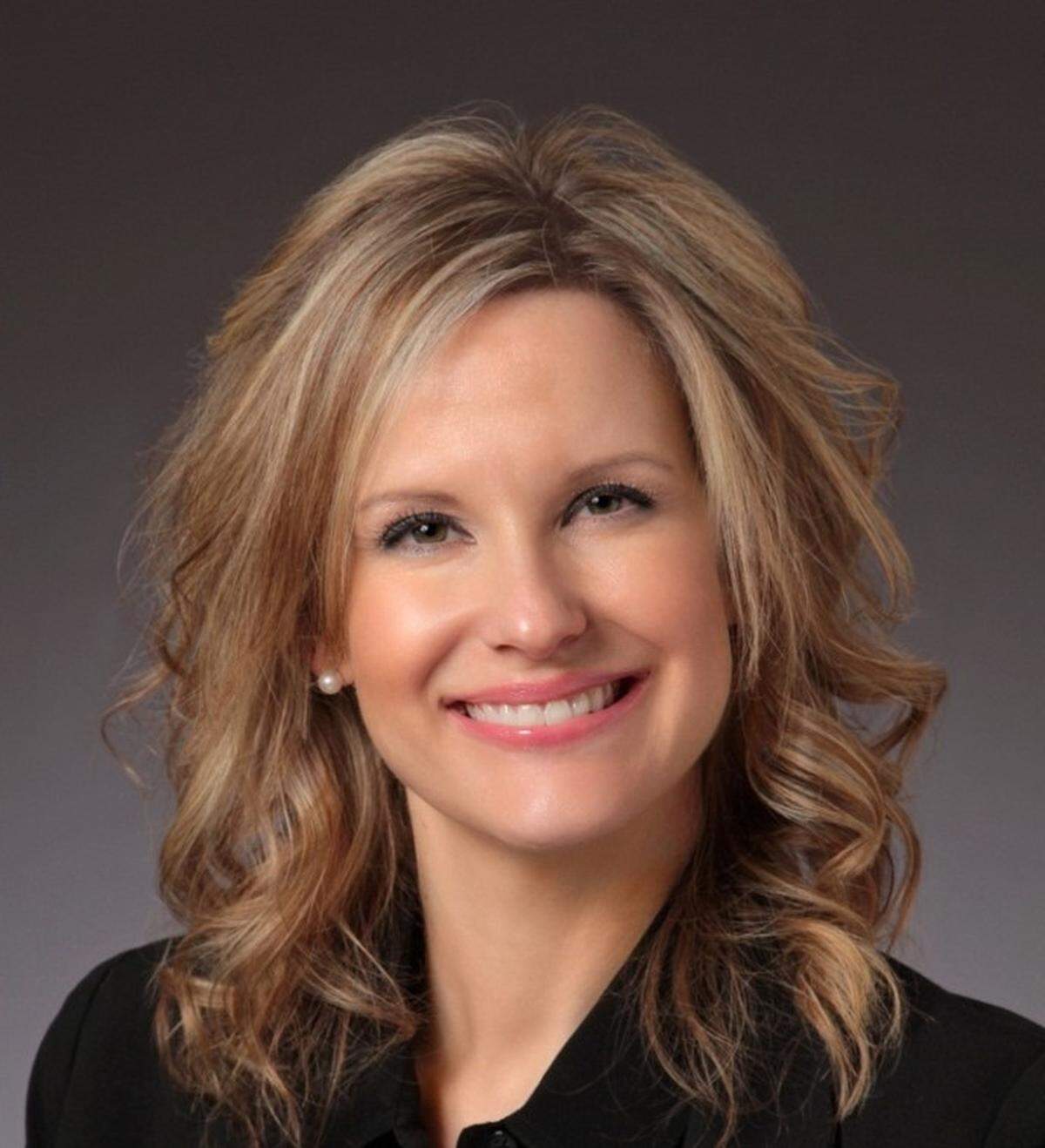

Sommer Kleweno Walley is the Chief Executive Officer of Harborview Medical Center in Seattle. Dr. Timothy H. Dellit is the Interim CEO of UW Medicine as well as interim Executive Vice President for Medical Affairs and interim Dean of the School of Medicine at the University of Washington.
This story was originally published August 21, 2022 at 5:00 AM with the headline "We face a public health emergency because hospitals can’t discharge patients to care facilities."