
Local levies can’t keep covering for the state’s broken school funding system | Opinion
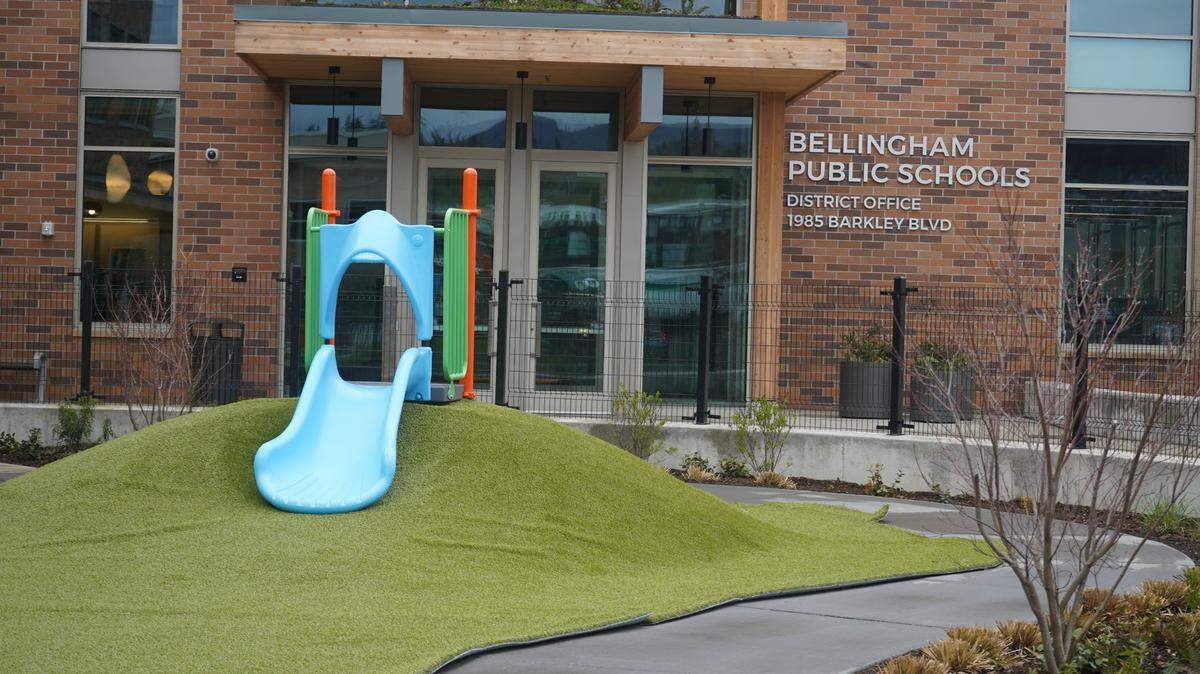
Washington’s Constitution is a lengthy read, but one thing it says clear as day is that it is state’s paramount duty to ensure sufficient funding for our public schools. That means the state — not individual communities — is responsible for funding the basic education for every student in the state of Washington.
Local levies were never meant to carry that weight. Levies exist so communities can invest in the programs and opportunities that reflect local values — things like outdoor education, music, arts and smaller class sizes. In Bellingham, voters have consistently shown up for kids, time and time again.
But today, levies aren’t paying for the “extra.” They’re paying for the basics — heat, insurance, special education services, and staff that the state requires but doesn’t fully fund. And that is a fundamental failure of the system.
Over the last several years, essential operating costs have skyrocketed. Utilities are up more than 40 percent. Insurance premiums have more than doubled. Special education needs have increased, to say nothing of the costs of hiring and retaining qualified educators in a region where housing costs continue to rise. Meanwhile, state funding formulas have barely budged.
Instead of adjusting to real-world costs, the state continues to rely on outdated formulas that ignore local housing markets and staffing realities. In Bellingham, this has resulted in a regionalization factor that is the lowest in the county despite having the highest median housing costs. It has also left special education deeply underfunded — to the point that the district must shift millions of dollars away from general education simply to comply with state law. Mandates that are rarely funded by the lawmakers who create them.
And now, with enrollment fluctuating, the state has considered pulling back already-budgeted funds, even though every superintendent and school employee can tell you: the cost of running a school does not shrink just because enrollment dips. You still have to heat the buildings. You still have to run buses. You still have to provide mandated services. Fixed costs are still fixed.
This isn’t just unfair — it’s unconstitutional. A child’s access to a stable, fully funded education shouldn’t depend on the generosity of their neighbors or the volatility of enrollment trends. When the state underfunds education, communities with stronger tax bases end up patching the holes, while less-resourced districts simply can’t. That inequity compounds year after year.
This month, Bellingham Public Schools board of directors adopted a new resolution urging the legislature to fix these problems. Labor unions, community organizations and civic partners across the region are also signing onto a public letter calling on the state to honor its constitutional obligations. Both documents outline the same core issue: Washington cannot keep balancing its budget on the backs of local taxpayers and expecting communities to cover basic education costs.
Bellingham is fortunate to have a community that believes in its children. But it shouldn’t require extraordinary local effort just to give kids what our constitution has promised them for more than 130 years. And it shouldn’t leave other districts without the same resources struggling to provide the basics.
Fully funded public schools are not just an investment in children — they’re an investment in the stability and future of Bellingham and every community in Washington. Strong schools mean a strong workforce, a strong economy, and a healthier, more resilient state.
This legislative session, lawmakers have a clear choice: continue with piecemeal fixes and outdated formulas or finally commit to a funding system that reflects the real cost of operating schools in 2026, not 2018.
Our community will keep doing its part.
This story was originally published January 29, 2026 at 10:39 AM.