
Election results show support for infill in Bellingham gaining momentum | Opinion
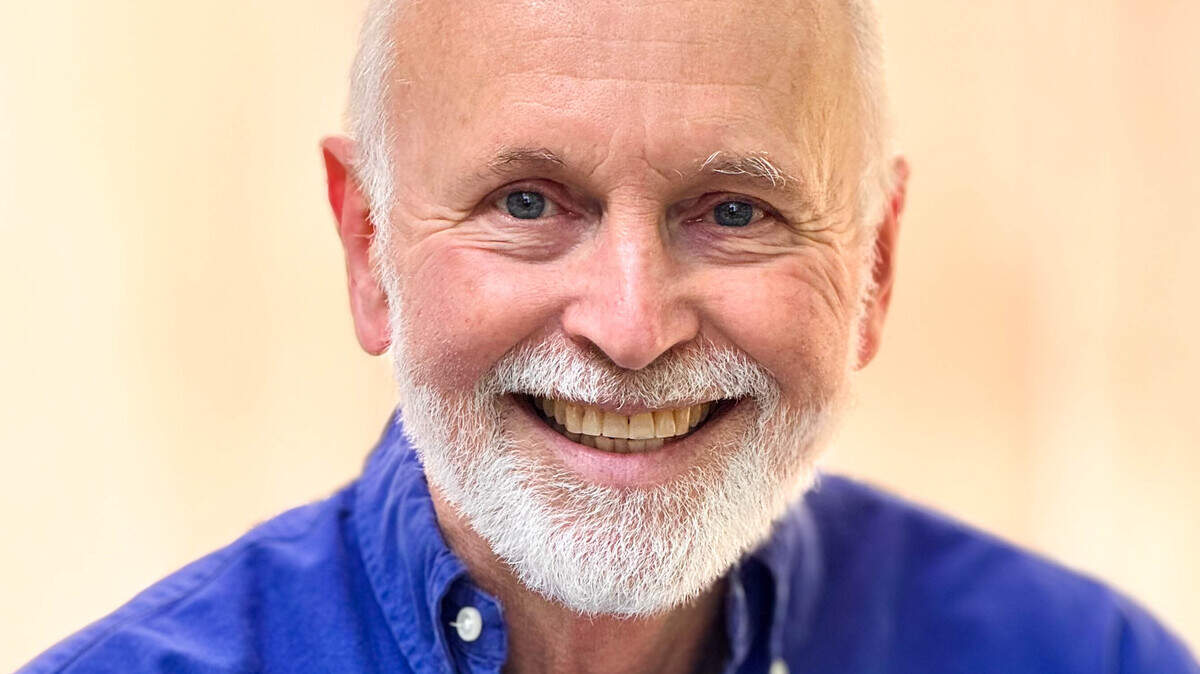
In a post-election column, Cascadia Daily News’ executive editor summed up my loss to incumbent Bellingham city council member Michael Lilliquist:
“Reding bet the election farm on the notion that the city voter base was on board with his own hypercharged approach to remaking the city immediately in max-density mode … Scoreboard says: Dead wrong.”
To be sure, I never advocated “max-density.” I did however propose replacing our outdated zoning system with the urbanist SmartCode — a form-based, mixed-use code designed to allow gentle density increases citywide, with clear, build-by-right rules to shorten permitting times. And clearly, 41.25% of the vote was no mandate for sweeping reform.
But this reading of the “scoreboard” overlooks the broader dynamic — the ongoing rift between Mayor Kim Lund and her council majority on one side, and southside council members Michael Lilliquist and Lisa Anderson on the other.
At the heart of this divide is a 5–2 split over housing policy, one that sharpened during the campaign. Last fall, Mayor Lund issued an executive order introducing interim ordinances to address procedural delays. Her first ordinance repealed parking mandates that prioritize pavement over people and homes. Lilliquist and Anderson voted no.
The rift deepened when the mayor declined to reappoint planning commissioner Scott Jones, and the council majority blocked reappointment of Barbara Plaskett. Both had opposed the parking reforms and broader infill housing efforts. Lilliquist personally pushed to reinstate Plaskett. Jones — a former sponsor of “Save Our ’Hoods” yard signs — later hosted Lilliquist’s campaign launch and fundraiser.
The alignment was not subtle. None of the five council members who supported repealing parking minimums endorsed Lilliquist. He, meanwhile, ran a coordinated campaign with Kerri Burnside (both shared a campaign manager) to unseat Ward 4 council member Skip Williams. He also allied with Leah Wainman — even co-financing a flyer — to challenge Ward 2 council member Hollie Huthman.
Both of Lilliquist’s running mates lost nearly 2-1. I outperformed them by about five points — and carried precincts I personally door-belled. Meanwhile, at-large councilman Jace Cotton, an urbanist who endorsed me, was reelected unopposed.
Three facts matter here. First, with one exception more than a decade ago, Bellingham council incumbents never lose. Second, all council seats are elected citywide. Third, most voters were unaware the council is sharply divided over housing reform, which helps explain why incumbents on both sides cruised to reelection.
Still, the pattern is unmistakable: the three incumbents who supported citywide urbanist infill outperformed the incumbent who opposed it — and the urbanist challenger outperformed the challengers defending low-density zoning and parking mandates.
In my post-election statement, I wrote:
“We won just over 41% of the vote. While I’d have preferred a different outcome, I’m deeply proud of the campaign we ran — one that squarely confronted our city’s housing crisis.
We’ve pushed the conversation forward, expanding the Overton window by saying what too few have dared to say: that density is not a dirty word. It’s the only real alternative to climate-destroying sprawl, and the only way to share high land costs fairly.
We’ve also brought national ideas home, like Montgomery County, Maryland’s revolving fund for mixed-income, community-owned housing. … Together, we’ve moved the debate, and that’s how lasting change begins.”
National climate leader Bill McKibben endorsed our campaign’s support for greater density, emphasizing, “Denser cities and towns make for a cleaner planet.”
We also demonstrated that urbanism is not a partisan project. Republican County Charter Review Commissioner Brad Kelly endorsed our campaign, producing a video conversation on housing.
Urbanism is both visionary and pragmatic. To increase housing near work, school, and local businesses, we seek repeal of exclusionary zoning designed to keep denser, more affordable housing out of higher-income neighborhoods. We oppose segregation by income and wealth — and yes, we believe housing is a universal human right.
We want to empower builders, nonprofits, and ordinary homeowners to create a full spectrum of housing options — from tiny homes on wheels to backyard cottages to small apartment buildings — in every neighborhood.
Earlier this year, when Councilmember Lilliquist proposed an amendment that would have excluded most of the city from Mayor Lund’s interim ordinance, the mayor noted that she herself lives in one of Bellingham’s most exclusive neighborhoods. Then she added: “I don’t want my neighborhood excluded.”
That’s real leadership — and this election strengthened her council majority. On Nov. 17, the council voted to extend the interim ordinance, and approved two motions by councilman Cotton: removing parking mandates from the single-room occupancy ordinance, and increasing missing middle housing from four to six units per lot within half a mile of major transit stops, covering most of the city.
Andrew Reding served as Whatcom County Charter Review Commissioner, and prior to that as a three-term Chair of Whatcom County Democrats. He is a public policy professional.
This story was originally published December 3, 2025 at 1:50 PM.