Drought continues in Whatcom County despite heavy rain, floods in December
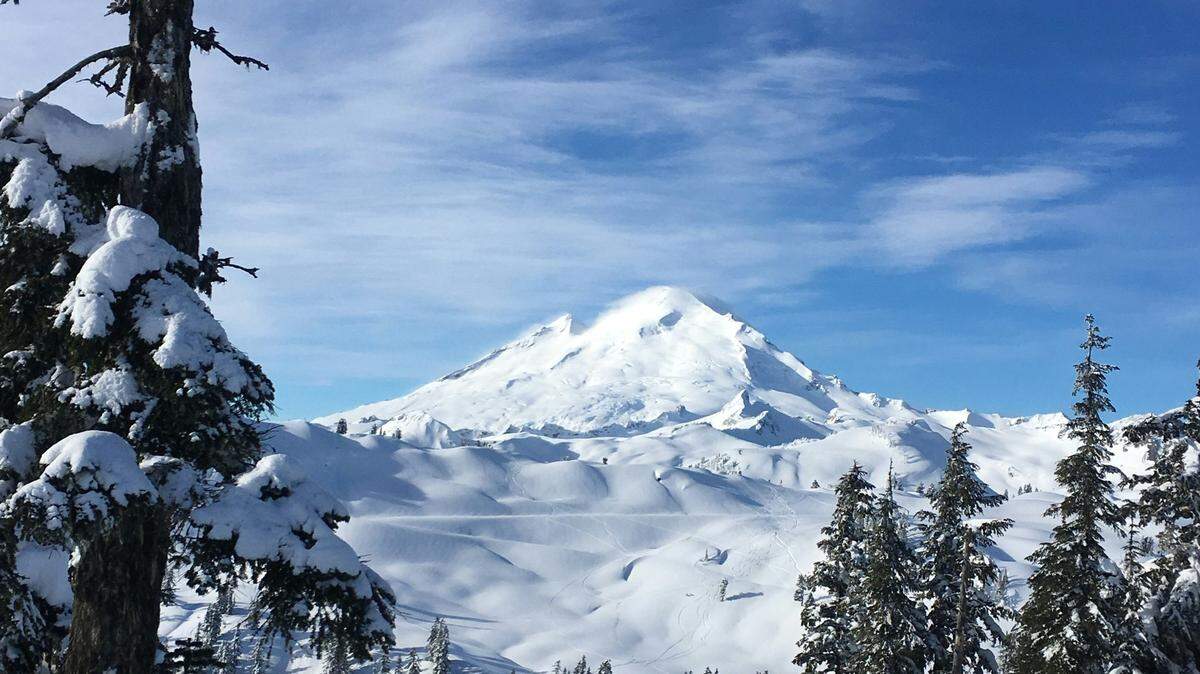
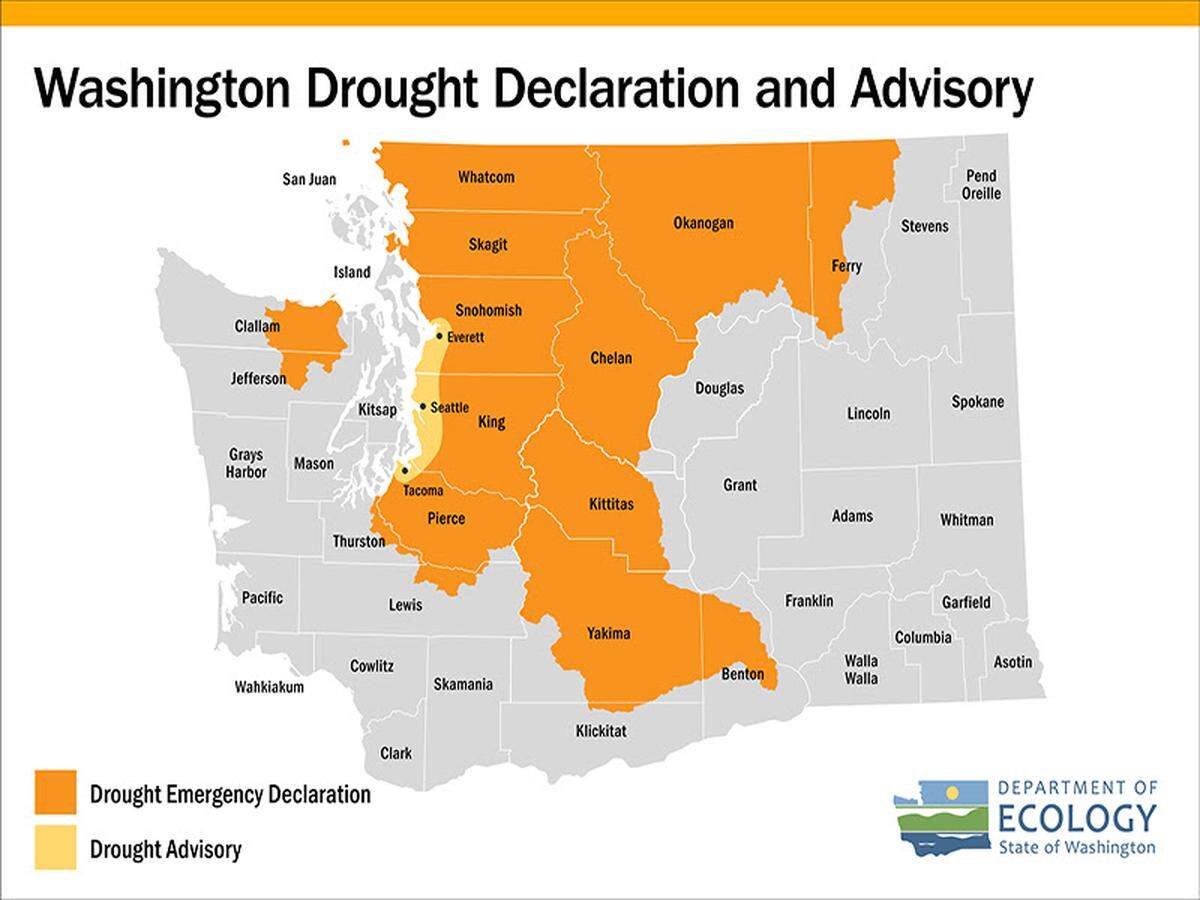
Whatcom and more than 10 other Western Washington counties remain in a drought emergency because of record-low snowfall across the Cascades, the state Department of Ecology said Friday.
“The drought declared in April and expanded in June continues with no end in sight,” Ecology said in a statement posted at its website.
Snowpack is important because the Nooksack River and others in Western Washington are fed by gradual snowmelt during the drier spring and summer months — providing water for agriculture, salmon and recreation. Without adequate supply, local agencies could be forced to limit water use. In addition, low snowpack can affect conditions that favor wildfires.
Across Washington state, the standard measurement of snowpack, called the “snow-water equivalent,” is at 52% of normal, Ecology said.
Figures published Monday by the USDA’s Natural Resources Conservation Service show that snowpack in the North Puget Sound region has dropped to 74% of normal, with some areas like Wells Creek north of Mount Baker at 45%. Snowfall at the Mt. Baker Ski Area was 352 inches through February, far below the average 688 inches, according to its website.
Snowpack isn’t expected to recover this late in the season, Oregon State Climatologist Larry O’Neill said during the monthly meeting of the National Integrated Drought Information Service last week.
“This fall and winter has been marked by a lot of extremes. We had extremely wet conditions — wet and warm conditions — early on in the winter, transitioning to dry and warm conditions in January, before transitioning into a wetter than normal pattern. This was the warmest such period across the Pacific Northwest, and it really inhibited our snowpack growth,” O’Neill said in an online presentation.
Deputy Washington State Climatologist Karin Bumbaco said it would take a record-breaking amount of snow between now and April to get back to “normal” snowpack.
Lisa Moeller, a spokeswoman for the Whatcom County Public Utility District 1, said its commercial users typically won’t see constraints like residential users would.
“However, many of our large commercial customers are taking on measures of their own to reduce water usage, and we will be continuing discussions on how we might contribute to solutions as well,” Moeller said in an email.
In Ferndale, the City Council has enacted mandatory water conservation measures from June 1 to Sept. 15, spokeswoman Megan Juenemann told The Herald in an email.
The city of Ferndale is aware of the state’s recent drought declaration and ongoing dry conditions. The City remains committed to responsible stewardship of its water resources,” Juenemann said.
Bellingham draws its drinking water from Lake Whatcom, which is fed by rain, Public Works Department spokeswoman Stefanie Cilinceon told The Herald.
“(Our Water Treatment Plant staff) said we are still receiving enough rainfall this winter to expect an adequate water supply throughout the summer. We will continue to monitor the lake level and weather forecast for any changes,” Cilinceon said in an email.
This story was originally published March 4, 2026 at 8:32 AM.