La Niña is going to stick around. Will it help end Western Washington’s drought?
La Niña is going to stick around for a few more months, a forecast that could ease drought conditions next summer in Western Washington.
A Jan. 5 report from the National Weather Service’s Climate Prediction Center sees La Niña lasting until about March, then transitioning to a more neutral period in spring. A La Niña pattern generally means colder and wetter weather for the Pacific Northwest, along with heavier snowfall in the mountains.
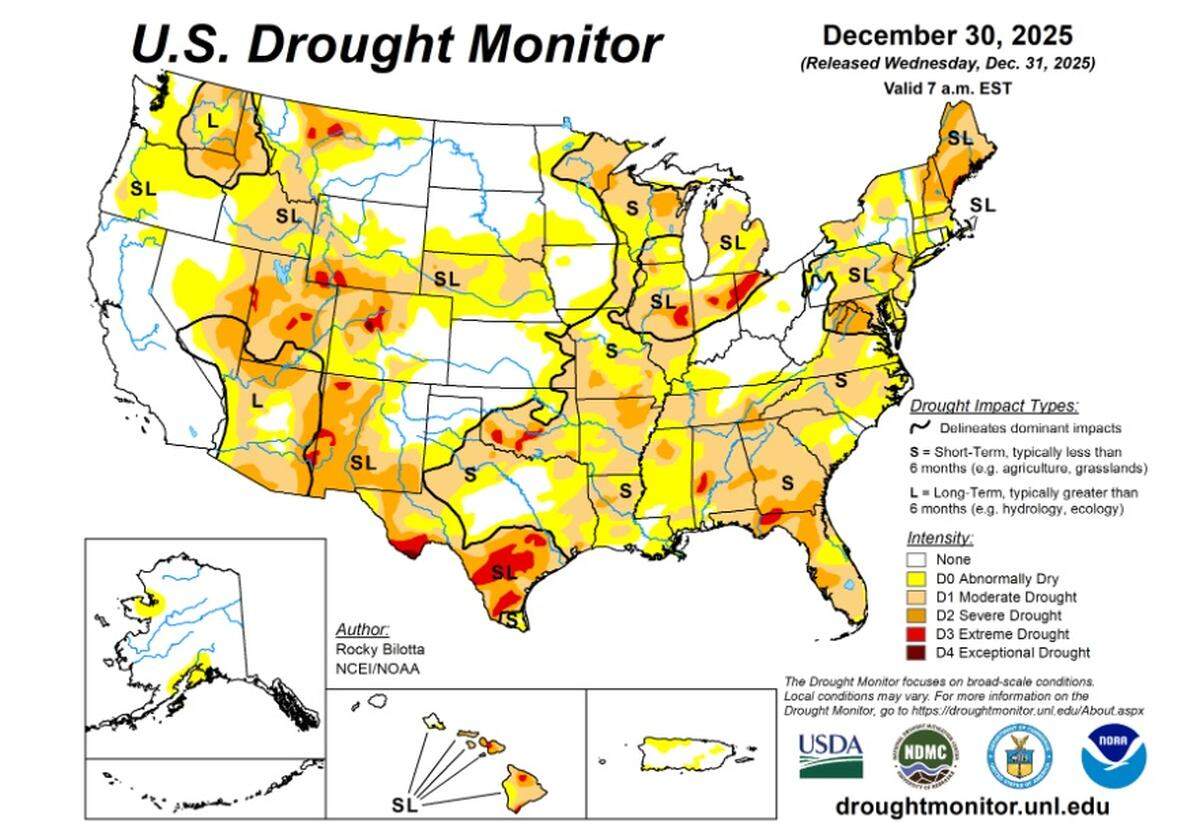
Western Washington remains under a drought declaration, a situation that’s unlikely to end soon. Further, the U.S. Drought Monitor’s Dec. 31 update shows Northwest Washington as “abnormally dry” despite recent heavy rain.
What’s needed to break the drought is continued wet weather in the lowlands and snowfall in the mountains, weather and climate experts recently told The Herald. Western Washington also needs a slow and steady snowmelt in spring and summer.
Meteorologist Samantha Borth at the National Weather Service in Seattle said that conditions are looking good for an end to the drought, but it’s too early to make any predictions.
“It’s tough to say this far out. We’re getting a lot of snow in the mountains, and that should help,” Borth told The Herald in a phone call.
Bellingham has been unusually wet this rainy season, but most of that precipitation has fallen as rain across the region as a series of tropical atmospheric rivers — called the Pineapple Express — drenched the region and caused devastating floods, the state Department of Ecology’s drought expert Caroline Mellor said.
“The warm December temperatures led to too much precipitation coming as rain and not enough as snow. This means that we still have ground to make up to avoid water supply concerns next summer,” Mellor said in a statement issued Tuesday.
Bellingham received 18.05 inches of rain from October through December, the first three months of the rainy season, according to data from Bellingham International Airport. Normal rainfall for that period is 13.38 inches.
Through Jan. 6, Bellingham had received 1.26 inches of rain, with a January normal of 4.49 inches.
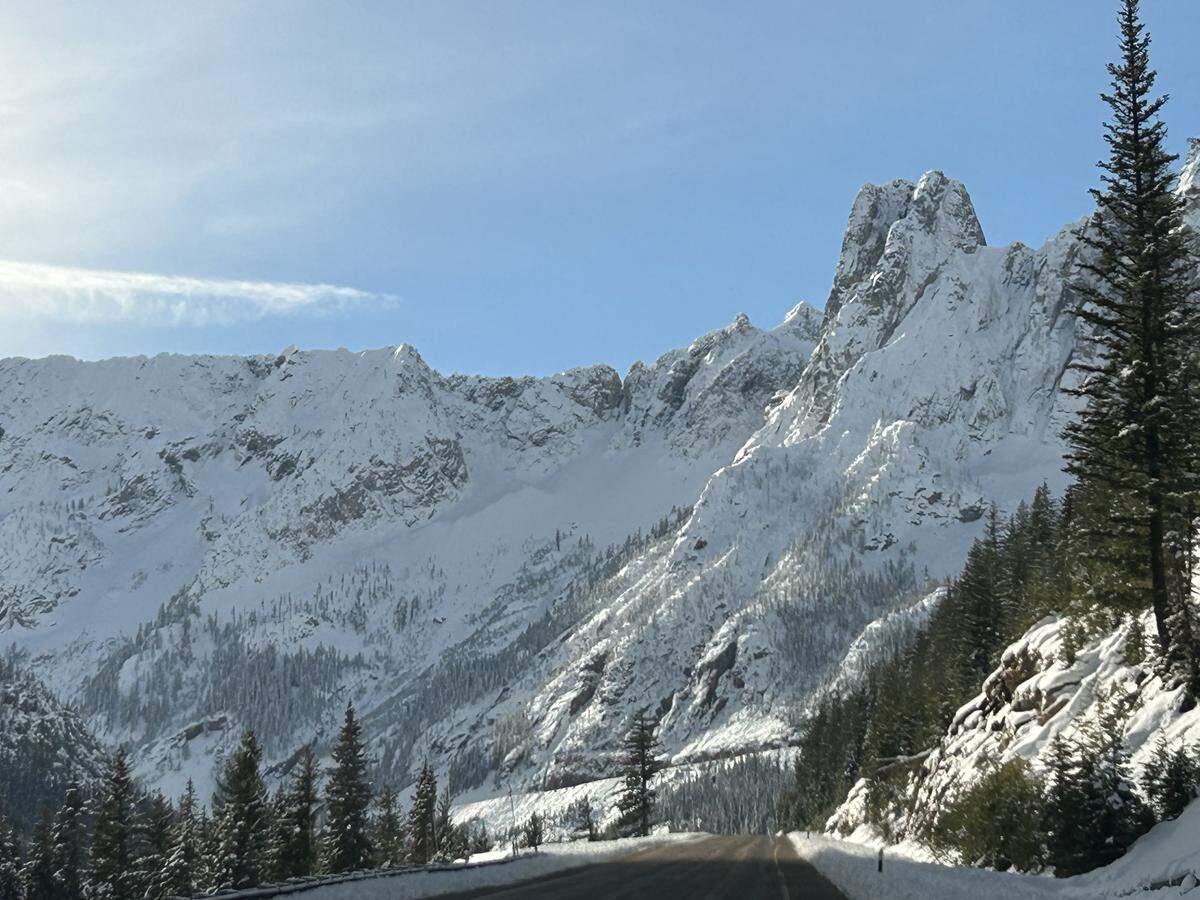
More importantly, however, snow is accumulating in the mountains after a series of warm tropical storms melted all the early season snowpack. A blizzard this week could add 4 feet to the snowpack.
Mt. Baker Ski Area in Whatcom County reported 20 inches of snow Tuesday, for a total of 2 feet since Monday. Heather Meadows had a 78-inch base and there was a 124-inch base at Pan Dome, locations that were virtually without snow in early December. The ski area wasn’t able to open until Dec. 21.
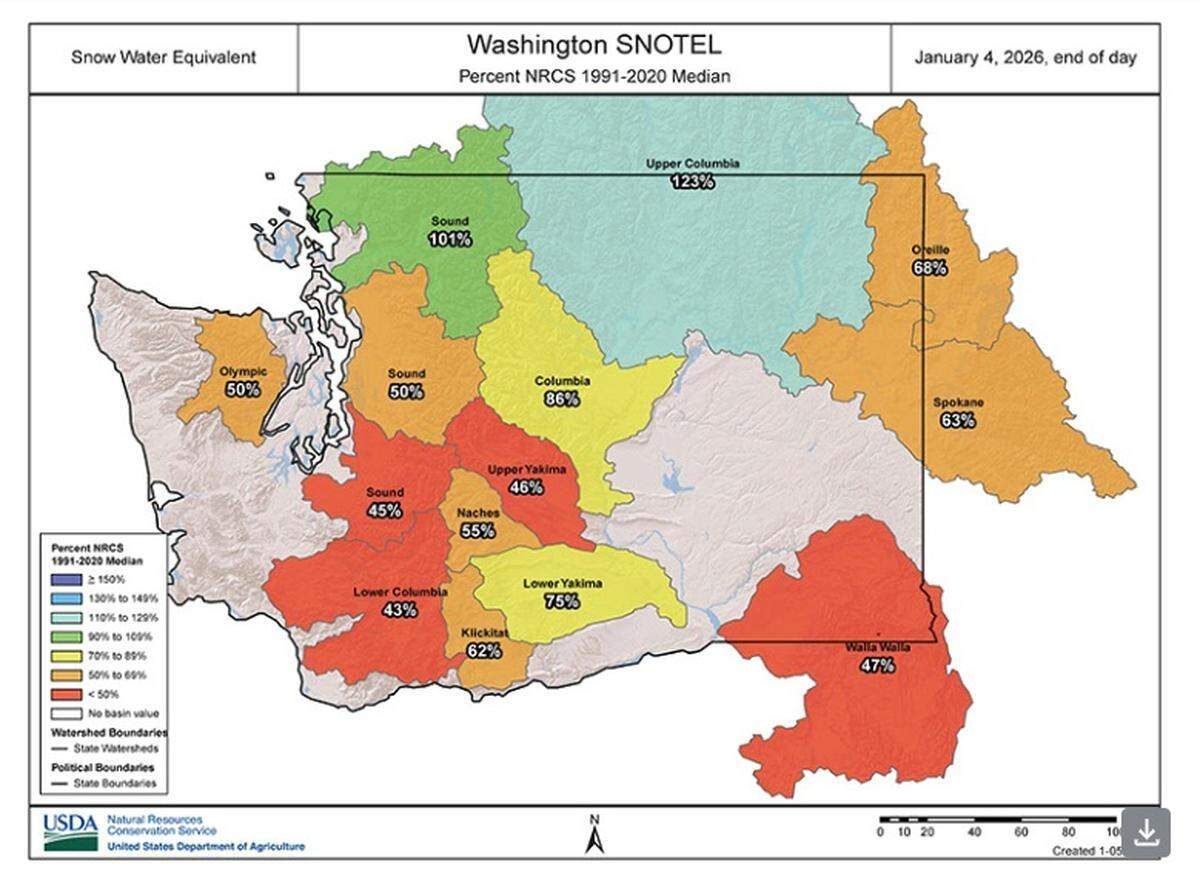
On Tuesday, Ecology officials reported snowpack data that showed a wide range of conditions across the Olympics and the Cascades.
In the North Cascades, which includes the Mount Baker wilderness, snowpack was 101% of normal, according to the U.S. Department of Agriculture’s Natural Resources Conservation Service.
“After a drought declaration that spanned much of Western and Central Washington this summer, you might think that record rainfall would bring welcome relief. But for Washington water supplies, there is no substitute for snow. We rely on a thick snowpack to build up over winter, and then gradually melt in spring and summer, feeding rivers and refilling aquifers,” Ecology spokesman Jimmy Norris said in a statement Tuesday.
This story was originally published January 9, 2026 at 10:27 AM.