As El Niño ends, another La Niña winter is looming. Are they becoming more frequent events?
El Niño is over, and another La Niña weather pattern is expected to develop heading into winter, meteorologists from the National Weather Service Climate Prediction Center said Thursday.
Sea surface temperatures near the equator in the eastern Pacific Ocean averaged below normal for April, indicating that a transition to La Niña is in process, the Climate Prediction Center said in its report.
“La Niña generally tends to follow strong El Niño events, which also provides added confidence in the model guidance favoring La Niña,” the report said. La Niña may develop in June-August (49% chance) or July-September (69% chance), according to the report.
La Niña years generally mean cold and wet winters for the Northwest, with heavier lowland rain, a greater chance of lowland snow, and a bountiful mountain snowpack. El Niño is the opposite pattern.
This last El Niño is one reason that most of Washington state is facing a drought, said Nick Bond, a University of Washington professor of atmospheric sciences who serves as the state climatologist.
“Assuming that (La Niña) happens, and I think it is likely, that’ll be four out of the last five winters that we’ve had a La Niña,” Bond told The Bellingham Herald.
“Our winters tend to be wetter in a La Niña. Looking deep into the crystal ball, we’re expecting a winter on the wet side, especially after the first of the year, and a good snowpack,” Bond said in an interview.
Bond said it’s unclear whether the trend toward more La Niña winters will continue as a product of climate change.
Colder, wetter years mean good snowpack that keeps the Nooksack River cold and deep through summer — which is good news for endangered salmon and for winter-sports enthusiasts. Cold weather and heavier rainfall is good for the Nooksack basin, but it also means that Whatcom County residents will pay more to heat their homes.
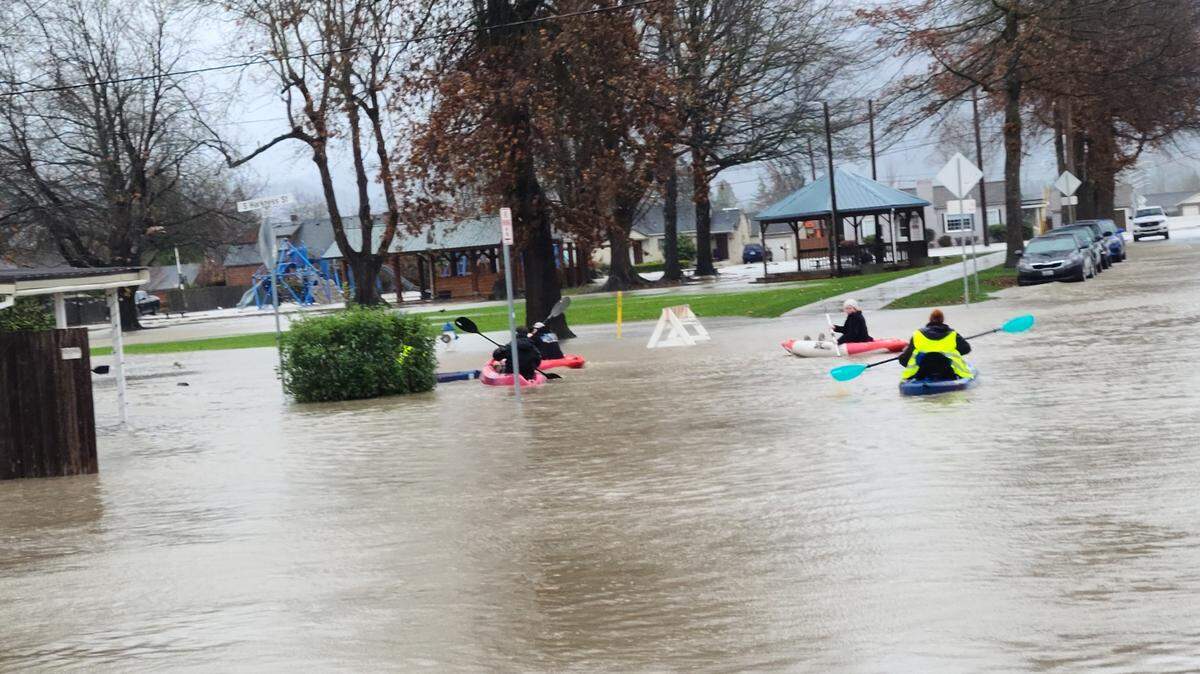
And then there’s the threat of flooding, which devastated residents along the Nooksack River and its tributaries from Sumas to Lummi Nation in the La Niña years of 2020 and 2021.
As for this summer, Bond said it’s hard to make a prediction. Both the National Weather Service and the National Interagency Fire Center are thinking that summer will have above-normal temperatures and below-normal rainfall.
But does that mean a summer of heat waves, drought and wildfire smoke?
“There’s a slightly reduced risk in these summers with a transition (to La Niña). Maybe the fire season won’t be so bad,” he said.
Even so, Bond sees the summer trend of warmer overnight temperatures continuing.
“Let’s hop that everybody has good tomatoes in their backyard gardens and plenty of chances to enjoy summer here in the Pacific Northwest,” he said.
This story was originally published May 13, 2024 at 5:00 AM.