Could a mountain snow drought lead to summer water rationing in Whatcom County?
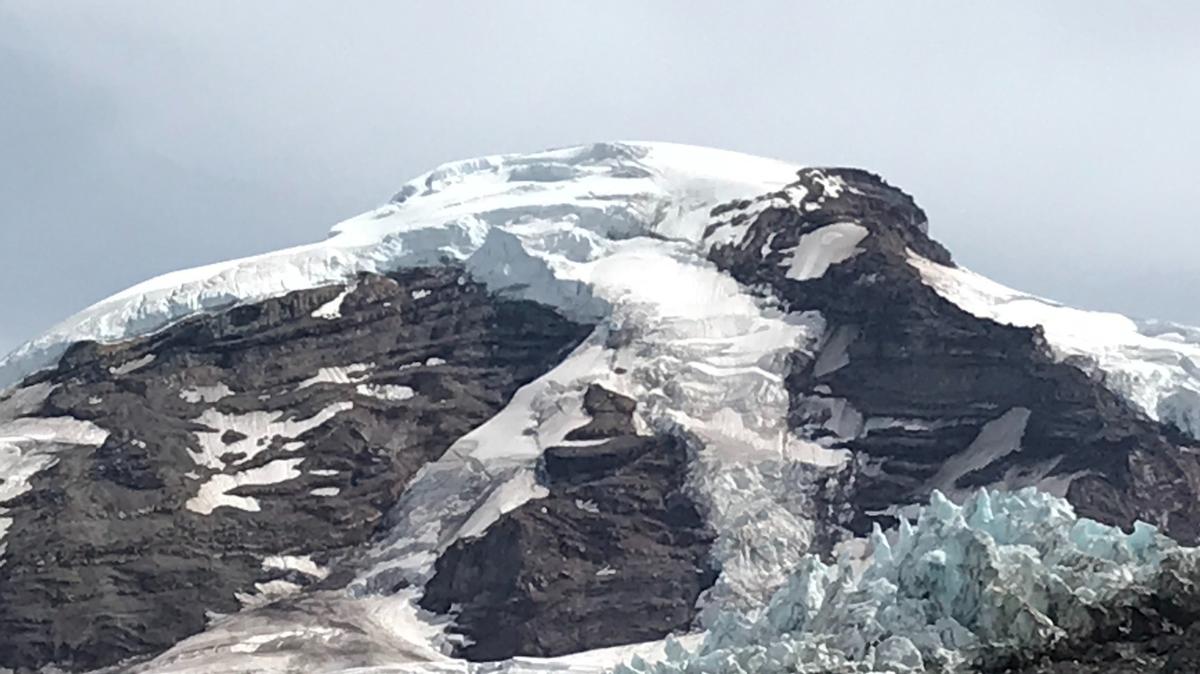
Even with heavy snow this week, Washington’s low mountain snowpack could prove deadly for salmon and result in limits on summer water use for farmers and even homeowners.
That’s what happened in some parts of Whatcom County last year as drought conditions formed after several rainy seasons.
Mountain snowpack is important because gradual spring and summer melting feeds the Nooksack River and its aquifer. Spring Chinook need cold, clear water, and farmers need to be able to get water through the summer, when rain is scarce.
Rainfall has been about normal since October for the Whatcom County lowlands, according to data from the National Weather Service in Seattle.
Even so, “light drought” conditions persist in Whatcom County, according to a report issued Tuesday by the U.S. Drought Monitor.
In addition, mountain snowpack is critically low amid this winter’s El Niño weather pattern, according to backcountry weather stations called sno-tel sites that measure the weight of snow on the ground.
That “snow-water equivalent” for Northwest Washington was at 50% of normal on Dec. 23, according to the National Water and Climate Center in Portland, which is part of the USDA’s Natural Resources Conservation Service.
Brent Bower, a hydrologist at the National Weather Service in Seattle, told The Bellingham Herald that the low snowpack is troubling.
“It’s definitely a concern,” Bower said in a phone interview Wednesday.
“Some of the sno-tels are in the 10-15% of median right now. That’s certainly not a good look, and an El Niño year is not a good time to make up snow after January,” he said.
Marten Ridge near Mount Baker is at 14%, he said.
At the Mount Baker Ski Area, Heather Meadows had a base of 71 inches, and there was a “variable snow base” advisory, according to its website. Several recent storms have brought rain to the mountains this season instead of snow, and the ski area has only been open for a month because of low snow.
Even with this week’s storms, only 187 inches of snow has fallen through Wednesday, according to the ski area’s website.
“A lot can happen, but (the snowpack) is in pretty bad shape right now,” Bower said.
Officials at the Bellingham Department of Public Works are watching the weather, but so far there are no plans for summertime water restrictions, said spokeswoman Natalie Monro.
“Every city in the region has its own supply of water, which means that we are all watching different indicators for what could impact our water supply,” Munro said. “The city of Bellingham gets all our water from Lake Whatcom. The lake is actually more impacted by rainfall in our watershed than the snowpack in the Cascades, so our attention is tuned to lake levels and rainwater runoff.”
“While it is a bit early to prepare for the impact of potential drought conditions this summer, we will be watching rainfall levels through early February and adjusting our operations as needed. Residents can always help out by conserving water at home: shorter showers, fixing leaks, and installing low-flow fixtures,” Munro said.
This story was originally published January 6, 2024 at 12:00 AM.