Maui wildfires: What has happened so far, how to help and travel information for tourists
EDITOR’S NOTE: This is an ongoing story and information will be updated as more information becomes available.
Fast-moving wildfires fueled by distant hurricane winds that tore through the Hawai’ian island of Maui last week have left 111 people dead and many still missing, according to Maui County officials.
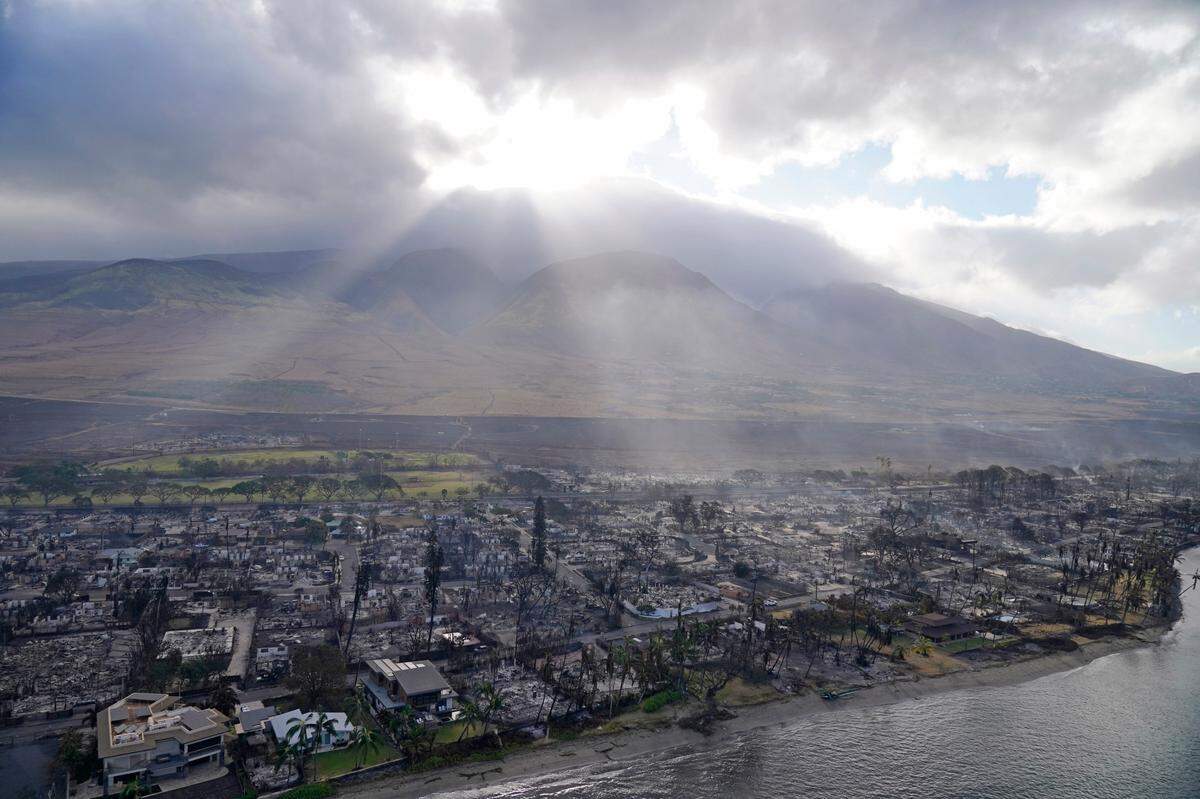
The western Maui town of Lahaina has suffered widespread damage, and thousands of island residents and tourists have been forced to evacuate.
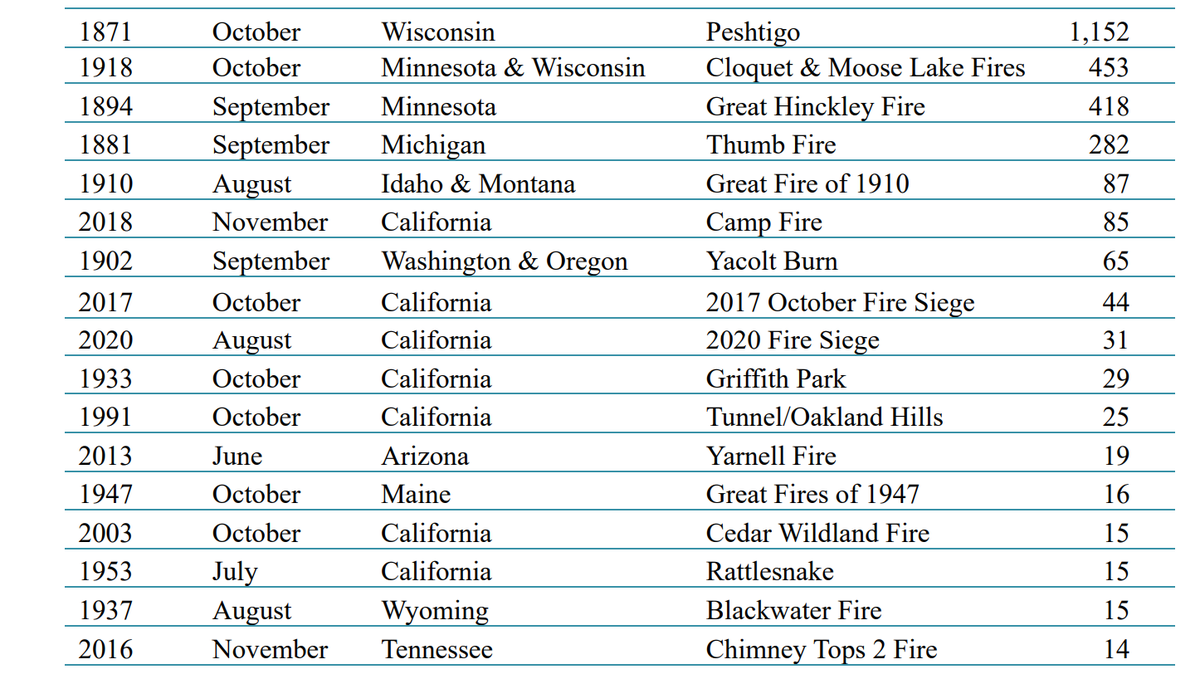
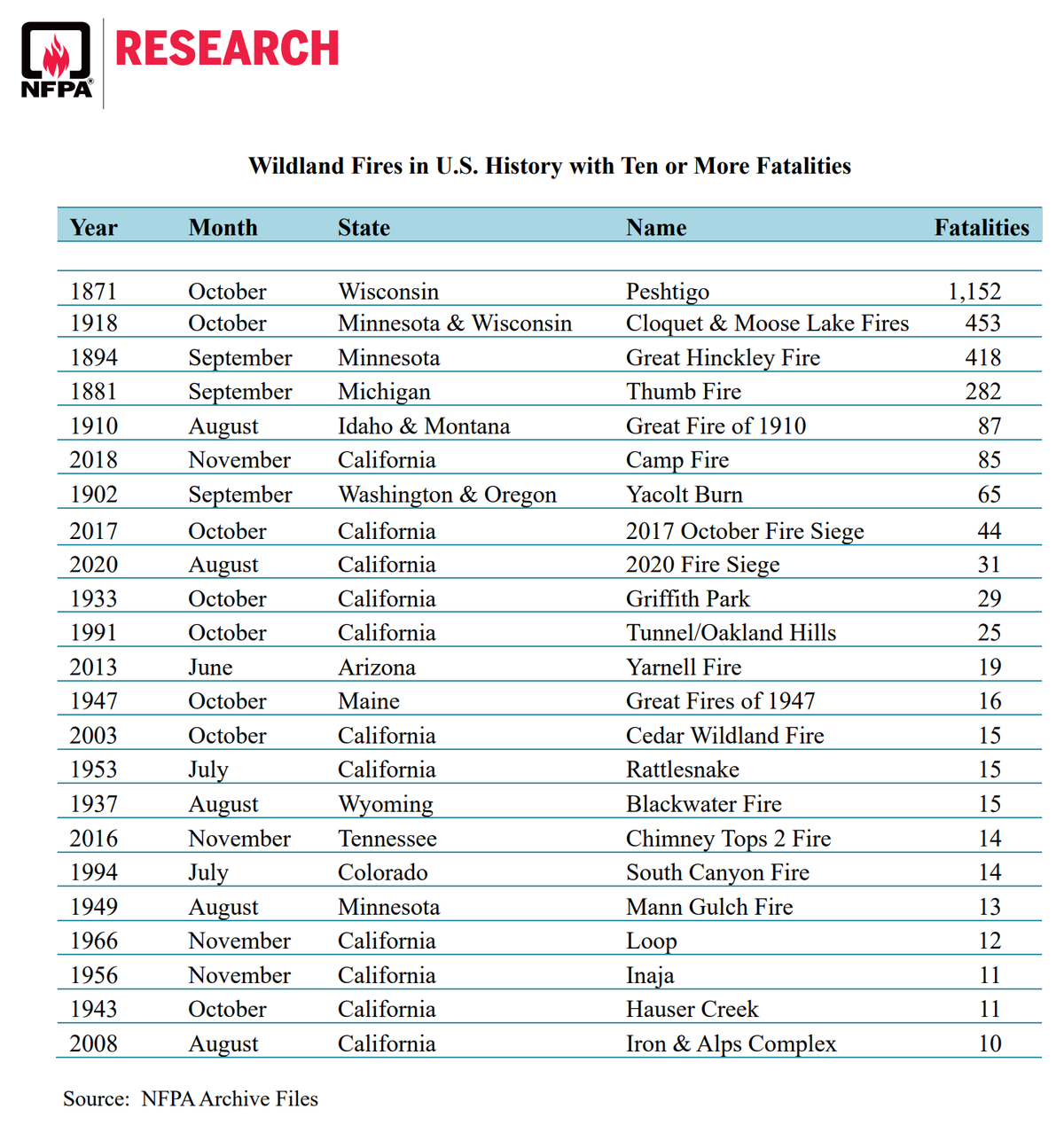
The Maui wildfires have become the deadliest U.S. wildfire in over a century, according to the National Fire Protection Agency. The Maui wildfires are now deadlier than both 2018’s Camp Fire in California and the Great Fire of 1910 that affected Idaho and Montana.
As of Thursday night’s latest update, about 90% of the Lahaina fire is contained and it has burned approximately 2,168 acres. A second major wildfire called the Olinda wildfire is about 85% contained and has burned 1,081 acres, while a smaller fire, called the Kula wildfire, has burned 202 acres and is 80% contained.
Power outages have resulted in phone service being down on most of the island, but according to Hawaiian Electric, power has been restored to more than 80% of residents. For those still without power, island residents have been updating a Google Sheet with the names of people on Maui that have been located or are still missing.
The Maui Police Department has identified five victims so far, according to Maui County officials. Those worried about a loved one or wanting to assist in the identification of victims can submit a DNA sample to the Family Assistance Center in the Hyatt Regency’s Monarch Ballroom at 200 Nohea Kai Drive in Kaʻanapali. The FAC was previously at the Kahului Community Center in Maui. Local media coverage is being continually updated.
Maui is one of Hawai’i’s most popular tourist destinations, and thousands of tourists are now scrambling to find flights home, including into Seattle-Tacoma International Airport.
Here’s what to know about the wildfires ravaging Maui, what airlines are doing to return tourists home, and ways you can help Hawai’i locals and those fighting the fires on the ground.
What we know about the Maui wildfires
It is still unknown what exactly sparked the initial fire, according to Maui Mayor Richard Bissen, Jr.
But several factors contributed to and exacerbated the spread of the blaze.
Most of the state was under a red flag warning prior to the fire due to dry conditions and high fire risk. Low humidity and precipitation rates this spring and summer have left the islands dryer than usual, according to Major General Kenneth Hara, the Hawai’i Army National Guard commander general.
In the days leading up to the fire, Climate Central Vice President for Science Andrew Pershing told McClatchy News that Maui was warmer than usual and had a climate shift index rating of two. The climate shift index indicates the change from normal temperature that is likely due to climate change — a rating of two means conditions for wildfires were two-times more likely than usual because of climate change, according to Pershing.
These dry conditions were paired with abnormally high winds caused by Hurricane Dora passing south of the islands. The Category 4 hurricane caused gusts on Maui of up to 60 mph, despite being hundreds of miles away, spreading any flames quickly.
Hawai’i also has been experiencing a drought for some time. In 2021, then-Mayor of Maui Mike Victorino requested fewer flights to the island as a massive wave of post-pandemic tourism impacted residents. With little water to go around and much going to the tourists, Hawai’ian residents found themselves fined for using extra water.
Water supply is one of many reasons Hawai’ian residents are asking tourists to visit the islands less, according to activist comments like lawmaker Kaniela Ing’s.
What to know about traveling out of Maui
The Hawai’ian Tourism Authority has urged people on “non-essential travel” to leave Maui as soon as possible and has strongly discouraged non-essential travel to the island. Acting Hawai’i Governor Sylvia Luke also issued an emergency proclamation on August 9, discouraging all non-essential travel to the island.
“This proclamation is to discourage travel to the affected areas so we can prioritize our scarce resources for Maui residents who desperately need assistance,” Luke stated in a news release.
Maui was also experiencing a housing shortage before the fire, according to Governor Josh Green. In an interview with CNN, he suggested the damage would make the situation worse. To free up shelter and resources for the displaced residents of Maui, Green is asking tourists to cancel trips to allow the island time and space to recover.
Maui residents who lost their Hawaii-issued state drivers license or identification cards can now be issued a new one from the County of Maui Division of Motor Vehicles and Licensing’s Lahaina Satellite Office in the Lahaina Civic Center.
What are airlines doing to help?
For Washington state residents, the two primary airlines that fly between Hawai’i and SeaTac are Alaska Airlines and Delta. Both airlines offer flexible travel options to get tourists out of Maui and back home as soon as possible. They can help with canceling or rescheduling flights.
The Hawai’i Convention Center on the island of O’ahu is also being used as an assistance center to shelter evacuees. Southwest Airlines and Hawaiian Airlines are offering $19 flights from Maui to Honolulu for those travelers who can’t get a flight home yet.
You can check the status of flights into SeaTac on the airport’s flight status page.
Alaska Airlines
Alaska Airlines has employed a flexible travel policy, allowing tourists to change their flight dates without incurring a fee. Tourists who were planning to fly into Maui before Aug. 31 are eligible to change their flights without additional charges.
An Alaska Airlines spokesperson told McClatchy News that the airline continues to operate its scheduled eight flights from Maui to SeaTac daily. The airline also added an extra daily “rescue flight” to allow more tourists to leave more quickly, and has donated 5 million air miles to the non-profit Kanu Hawaii to provide travel for Maui residents who were displaced by the wildfires.
Delta Air Lines
Delta has added flights out of Maui to Honolulu and from there onto Los Angeles and Seattle, Delta spokesperson Drake Castañeda told McClatchy News.
The airline has instituted a customer waiver to allow travelers to change their flights without additional charges. As of Thursday afternoon, anyone with flights booked in or out of Hawai’i through Sept. 16 can rebook flights, and any fare difference will be waived.
If flights cannot be rescheduled, Delta is allowing flyers to cancel their flights, and the unused value of the tickets can be applied to purchase a new ticket within the next year.
How you can help Maui
For those not directly impacted who want to help, the Hawai’i Community Foundation has created a Maui Strong Fund to benefit residents affected by the fires, according to Maui County. Online donations are accepted.
Here are a few other local organizations that are helping:
- Maui United Way is accepting donations online for the Maui Fire and Disaster Relief Fund.
- The Maui Food Bank is accepting online donations, food donations and volunteer applications.
- To donate money through Red Cross Disaster Relief, complete this donation form and sign a check with the memo line “Hawai’i Wildfires.” Send both to either the address listed on the form or the nearest Red Cross chapter.
- The Hawaii Community Foundation is accepting donations that will go toward Maui residents affected by the fire.
- The Council for Native Hawaiian Advancement is fundraising with a goal of $1 million. The organization has raised $800,000 as of Friday morning.
This story was originally published August 10, 2023 at 2:22 PM with the headline "Maui wildfires: What has happened so far, how to help and travel information for tourists."