Even with light snowfall in lowland Whatcom, some dangers remain
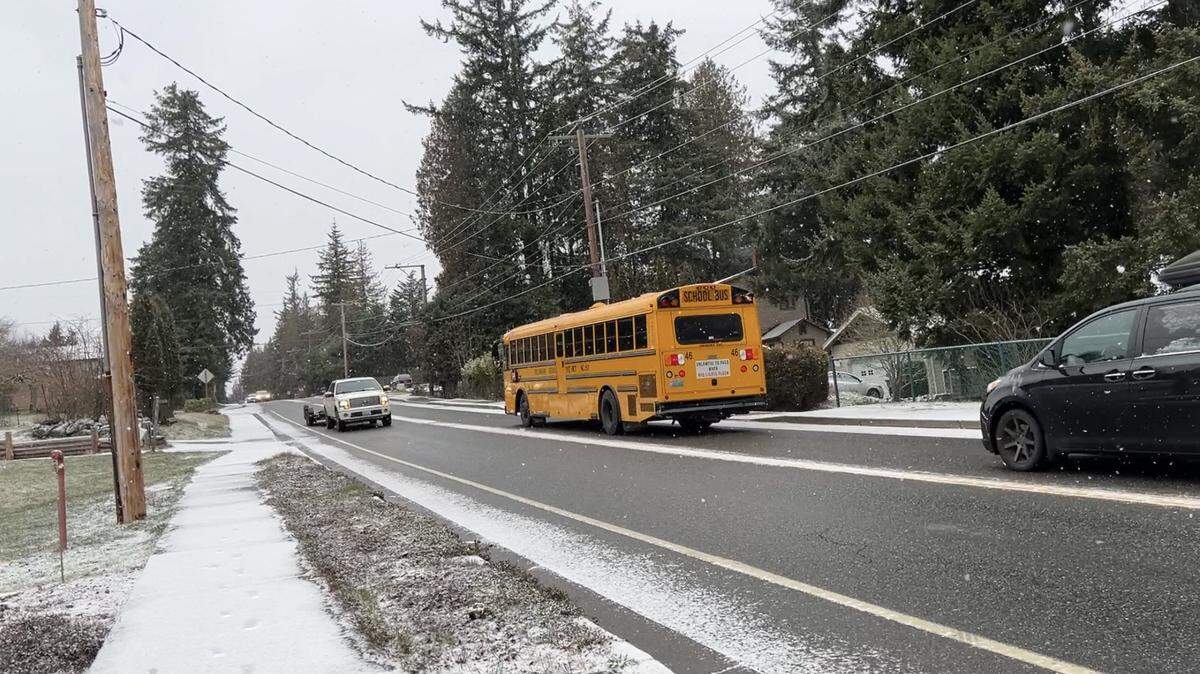
Light snow dusted parts of lowland Whatcom County on Wednesday, Feb. 22, but morning and evening commuters could find slippery roads this week as temperatures remain unseasonably cold.
Roads remained clear Wednesday and schools stayed open, and less than an inch of snow collected on trees and lawns.
Light snow could linger through Wednesday afternoon, but forecasts said to expect little accumulation in Bellingham and the Whatcom County lowlands even as daytime temperatures remain 15 to 20 degrees below the normal high of 50 for late February.
Temperatures could warm slightly above freezing Wednesday afternoon, and that could spell trouble on the roads, said meteorologist Carly Kovacik at the National Weather Service in Seattle.
“There’s a good chance that anything that does accumulate would have the potential to refreeze,” Kovacik told The Bellingham Herald.
Accumulations of more than an inch weren’t expected in Whatcom County, but some parts of the Puget Sound lowlands were seeing greater amounts of snow Wednesday, especially to the south, she said.
Daytime high temperatures in the low 30s were expected through at least Saturday, Feb. 25, as fierce winds from the Fraser River Valley of British Columbia funneled arctic air into western Whatcom County.
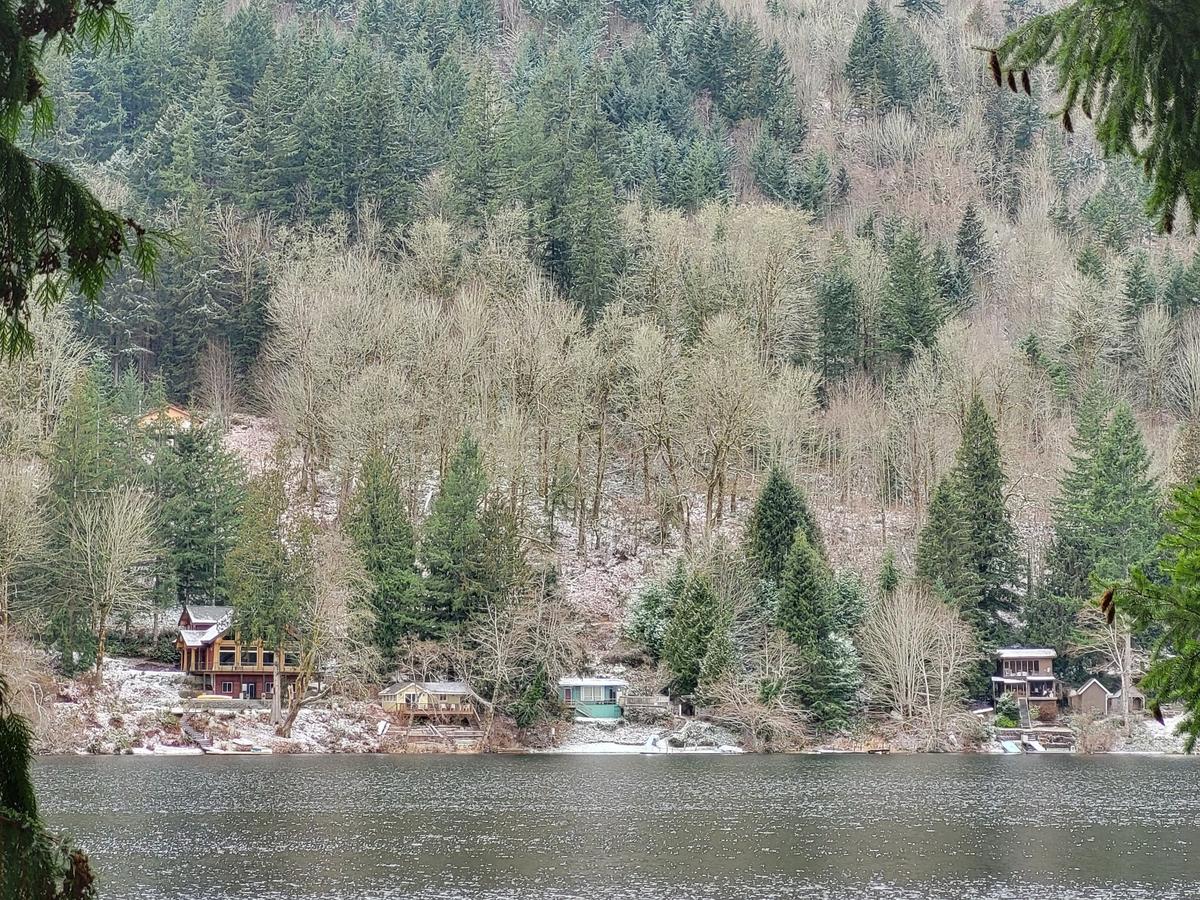
There was a wind chill of 13 degrees in Bellingham at 10:15 a.m. Wednesday, with the mercury hovering at 28 degrees and winds of 28 mph gusting to 40 mph.
A wind advisory was extended to Friday, Feb. 24, but no major power outages were reported Tuesday.
Thursday, Feb. 23, was expected to be the coldest day of the week, with a high of 34 and a low of 18.
Clear skies were forecast for Thursday and Friday, with no more lowland snow until Saturday evening.
Several feet of snow fell this week in the North Cascades, where avalanche danger in the backcountry was “considerable,” according to the Northwest Avalanche Center.
Mt. Baker Ski Area was open Wednesday, and the Mount Baker Highway was open with compact snow and ice at 4,000 feet, according to the Washington State Department of Transportation.
This story was originally published February 22, 2023 at 11:22 AM.