
Where am I mostly likely to hit a deer in Washington state? See high-risk roads
No one wants to be the reason a deer dies on the road in Washington state.
However, it can be hard to avoid deer, elk and other animals when they leap in front of your car.
Some roads in Washington state see higher numbers of vehicle collisions involving wildlife.
“High numbers of wildlife/vehicle collisions frequently occur in areas where large numbers of deer and elk are present directly adjacent to high-traffic-volume highway segments,” the Washington State Department of Transportation said.
Here’s where those crashes are most common — and how to avoid them:
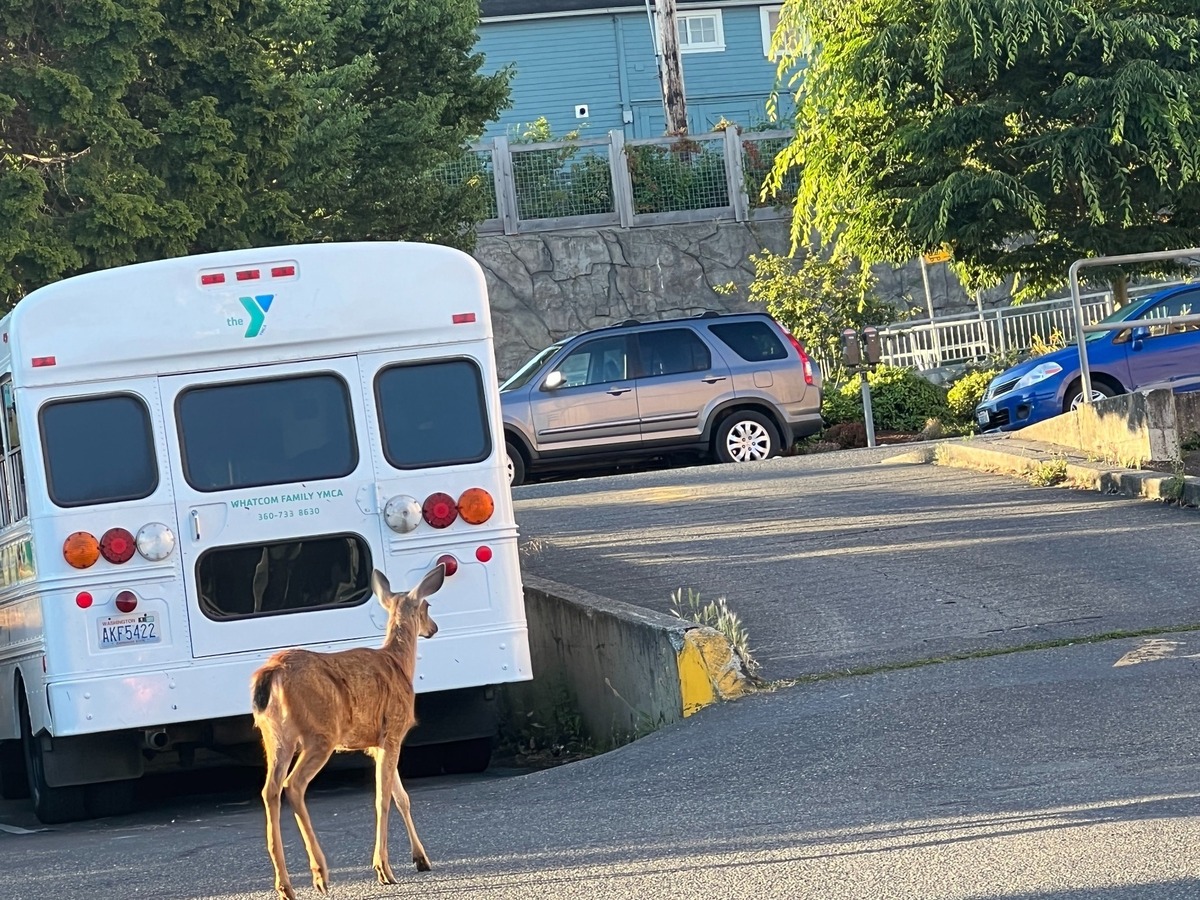
When I am most likely to see deer?
“Dawn and dusk are the most likely times of day you may see deer and elk along roadways due to those animals’ natural behaviors,” Jennifer Sepulveda, communications manager for the Washington Department of Fish & Wildlife, previously told McClatchy Media.
“Depending on the time of year, deer and elk may cross roadways in search of food, a mate or new habitat,” Sepulveda said.
The communications manager said that the antlered animals tend to move around the most in the spring and autumn.
“Deer will cross roads at any time of day or night, creating a hazard for drivers, passengers and the animals themselves, according to the Washington Department of Fish & Wildlife.
How common are wildlife collisions?
The Washington State Department of Transportation tracks wildlife-involved crashes using collision reports, carcass removal and citizen salvage reports.
“Because of property damage and human injury, most reported wildlife/vehicle collisions are with deer and elk,” state officials said.
In 2025, there were 1,842 vehicle collisions across Washington state that involved wildlife, according to data from the Washington State Department of Transportation.
Four of those crashes were fatal.
For comparison, there were 1,797 wildlife-involved crashes in Washington state in 2023, state data show, and 1,774 wildlife-involved crashes in 2024.
So far in 2026, there have been a total of 284 crashes involving wildlife, most of them along major highways across the Evergreen State.
Which Western Washington highways have most roadkill?
Although run-ins with deer and elk are possible anywhere in Washington state, certain roadways have higher numbers of crashes involving wildlife, according to the Washington State Department of Transportation.
In Western Washington, “areas with high roadkill numbers” include:
- Whidbey Island, along State Route 20 and State Route 525
- Where highways intersect the Cascade Mountains such as the Packwood-Randle vicinity, east of Sedro Woolley and Interstate 90 near North Bend
- Highways close to Willapa Bay
Where are wildlife crashes most common in Eastern Washington?
According to state transportation officials, these highways and interstates in Eastern Washington have the highest roadkill numbers:
- State highways in the Spokane area, particularly north of Spokane
- State Route 124 and U.S. 12 along the Touchet River Valley in southeastern Washington
- State highways in the Methow and Okanogan river valleys
- State highways north and west of Wenatchee
- U.S. 97 north of Goldendale.
- Interstate 90 near Easton and Cle Elum, plus Ryegrass west of Vantage
How is Washington state working to reduce crashes?
The Washington State Department of Transportation said it works to “reduce the severity and frequency of collisions on state highways to the extent that is reasonable.”
The state agency uses tactics including wildlife fencing, crossings and median barriers to “encourage animals to stay off highways.”
In September 2022, the state Transportation Department completed the Padden Creek fish barrier removal project on Interstate 5 near Bellingham, resulting in a “wildlife underpass large enough to safely pass all terrestrial and aquatic animal species present.”
Other examples include a wildlife crossing underpass on State Route 240 near McNary National Wildlife Refuge, a bridge on State Route 522 near Monroe and fencing at Butler Creek on U.S. 97.
How can I avoid hitting deer on the road?
Driving defensively is the best way to avoid wildlife on the roadway, experts said.
“Motorists can help avoid a collision by slowing down and staying extra alert,” especially in the spring and fall, Sepulveda said.
According to the Washington State Department of Transportation, tips for driving in deer country include:
- Be especially watchful during dawn and dusk, when deer are most active.
- Be cautious while passing other vehicles.
- Take note of deer-crossing signs and drive accordingly.
- Drive more slowly at night, giving yourself time to see a deer with your headlights.
- Be especially watchful when traveling near steep roadside banks.
“If a collision with a deer seems imminent, take your foot off the accelerator and brake lightly,” the Washington Department of Fish & Wildlife said, keeping “a firm hold on the steering wheel while keeping the vehicle straight.”
Do not swerve in an attempt to miss the deer, as this could result in more damage to your car and yourself.