
Feds say they have way to clean up nuclear waste site faster. WA is skeptical
AI-generated summary reviewed by our newsroom.
- DOE proposed plan to treat more radioactive waste at Hanford sooner.
- Pretreatment of waste has stopped until vitrification plant catches up.
- WA Department of Ecology, a regulator, opposes the DOE plan so far.
The Department of Energy says it can reduce risk to the environment by speeding up the treatment of 56 million gallons of radioactive waste in underground tanks at the Hanford nuclear site.
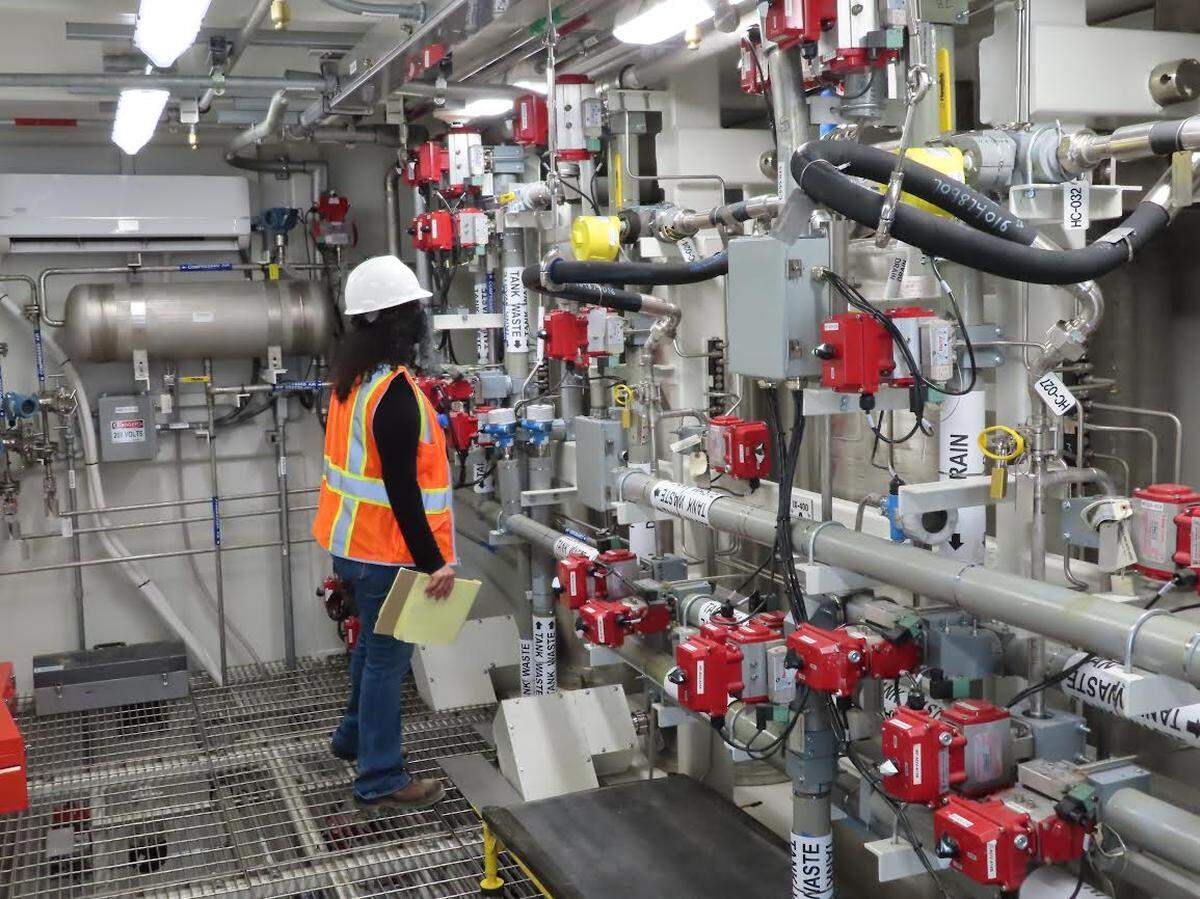
It can do that by making better use of a pretreatment system, the Tank-Side Cesium Removal System, which has not been used since February, DOE told the Oregon Hanford Cleanup Board this week.
Then it would turn some of that pretreated radioactive waste into a concrete-like grout for disposal out of state. At the same time it would continue turning the rest of the pretreated waste into a stable glass form at the newly operational Hanford vitrification plant.
The two treatment methods would proceed in tandem.
Now the vitrification plant cannot keep up with glassifying pretreated waste, and there is not enough storage space for pretreatment to continue.
“When you have an asset like TSCR, the Tank-Side Cesium Removal System that we’ve spent funds on, it’s hard to justify not running it 100% of the time,” said Ricky Bang, the DOE Hanford deputy assistant manager for tank waste operations, at Monday’s meeting.
Pulling waste out of the leak-prone tanks for pretreatment and then treatment reduces the risk of radioactive waste reaching the groundwater and then the Columbia River.
But the regulator for Hanford tank waste is not on board with the DOE proposal.
WA state opposes project
“Ecology does not agree,” said Casey Sixkiller, the director of the Washington state Department of Ecology in a letter to DOE May 22.
“... (T)his proposal would divert taxpayer and staff resources away from other priority work and not result in any additional tank waste being treated,” the letter said.
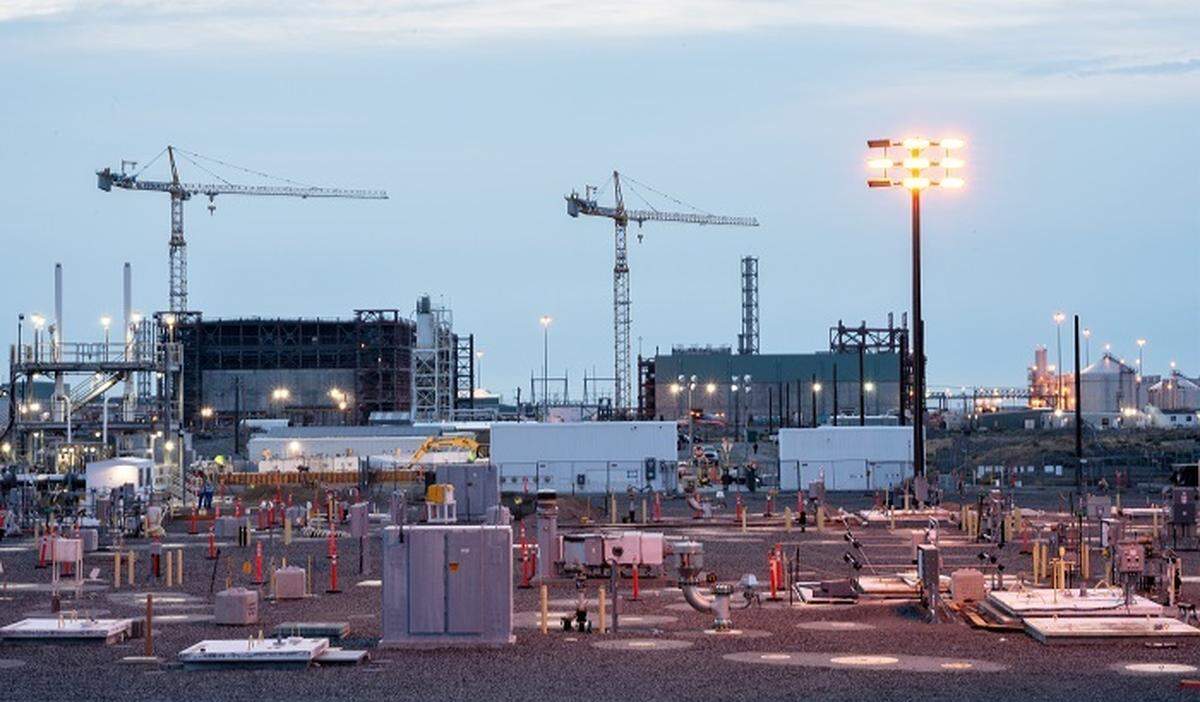
The Hanford nuclear site by Richland in Eastern Washington has 56 million gallons of radioactive and hazardous chemical waste in underground tanks, most of them single-shell tanks that are prone to leaking.
The waste is left from the past production from World War II through the Cold War of nearly two-thirds of the plutonium for the nation’s nuclear weapons program.
Construction began in 2002 on the Hanford vitrification plant, which initially is turning the least radioactive waste stored in underground tanks, into a solid glass form for disposal. After years of delays and technical issues, the plant began turning waste into glass in October 2025.
But in recent years DOE has been looking at ways to also turn some of the tank waste into a grout form and send it out of state for disposal.
The less radioactive vitrified tank waste is being buried in a landfill in central Hanford.
But because of Hanford’s geology, climate and groundwater that moves toward the Columbia River flowing through the site, Hanford is not considered a safe place to dispose of grouted waste.
Grouting some of the waste pretreated at TSCR is the third waste grouting proposal made by DOE, with two others moving forward.
Waste treatment plant mismatch
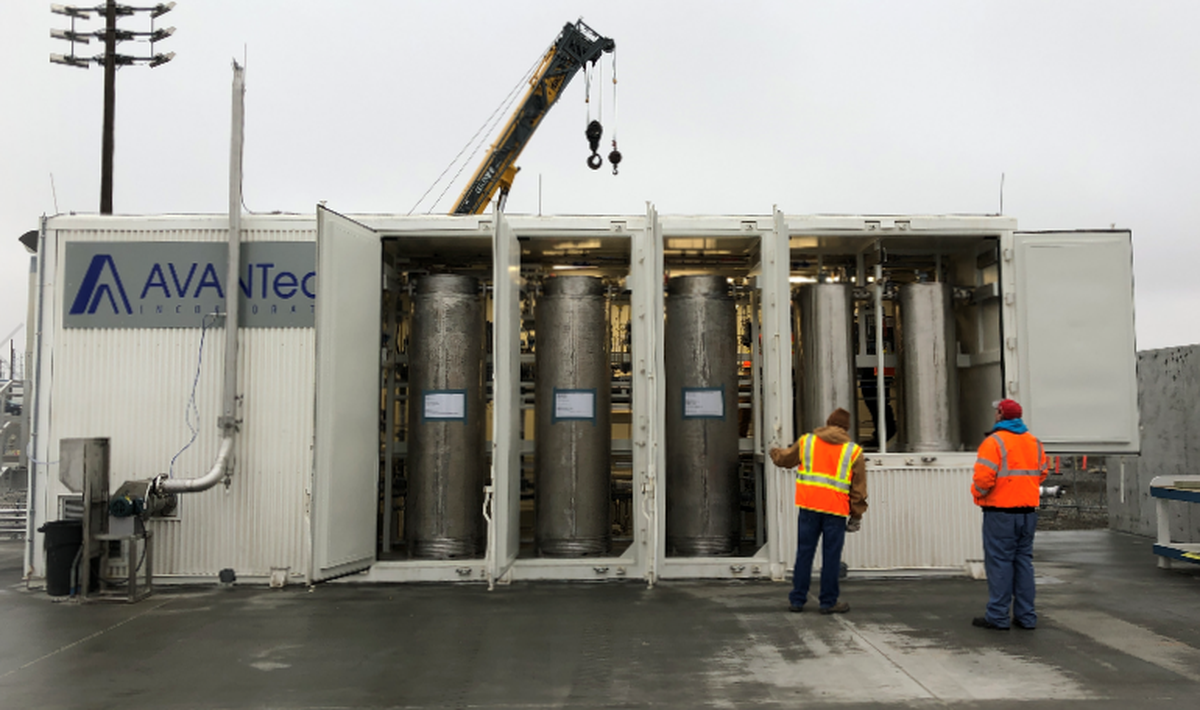
The first step toward treating the tank waste is to separate out the less radioactive waste. That’s being done at the Tank-Side Cesium Removal (TSCR) System.
It’s able to prepare about 100,000 gallons of waste for vitrification a month, removing waste with about 30,000 curies of radioactivity from leak-prone underground waste tanks.
Since starting to treat waste in October, the Hanford vitrification plant has glassified 115,000 gallons of waste at its Low Activity Waste Facility, or a little more than what TSCR can prepare in a month.
The plant’s best month was May, when it vitrified 30,000 gallons of waste.
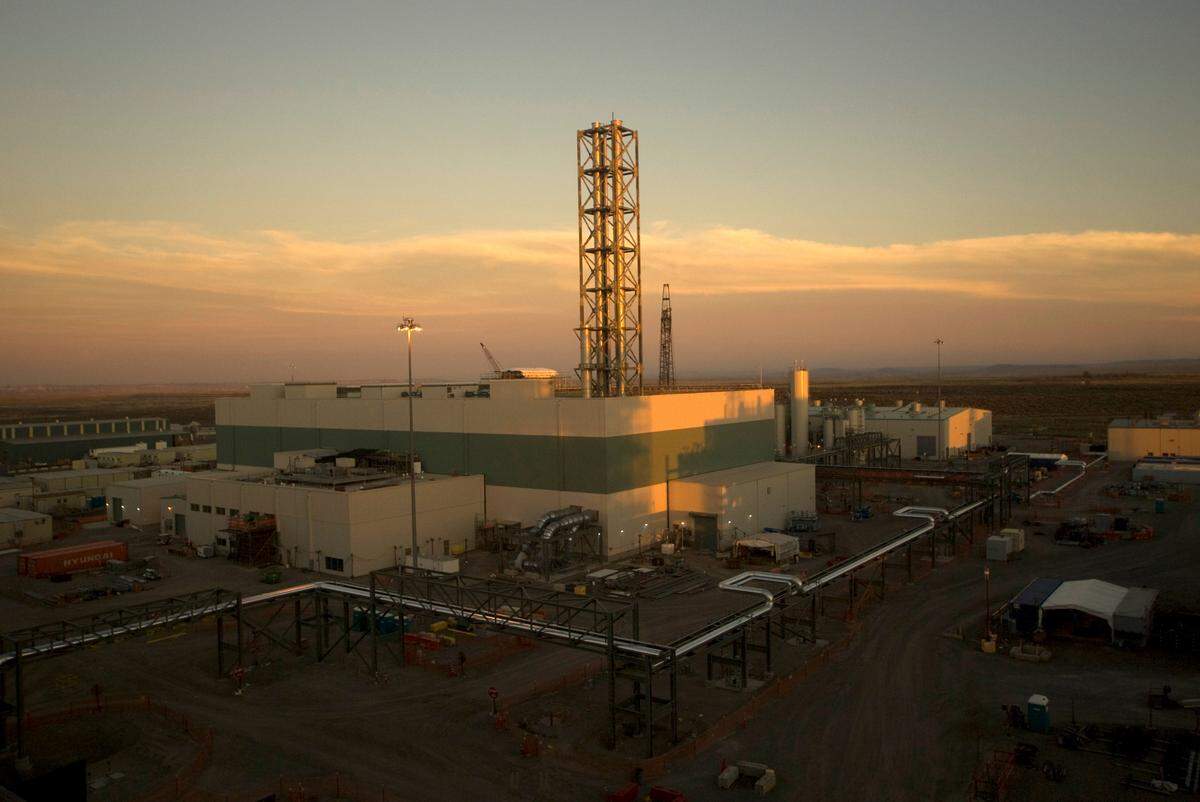
Workers have so far been unable to operate both melters of the facility at once as planned, in part because of more oxygen than expected leaking into the melter, creating a system imbalance.
The melters are the heart of the treatment system, mixing and heating up glass forming materials and waste to incorporate the waste in a stable glass form for disposal.
DOE faces a legal deadline to be at full production for low-activity radioactive vitrification in October 2028, which is three years after the plant started vitrifying waste.
It is required to be treating 170,000 gallons of waste a month, or about 2 million gallons a year, according to DOE.
However, a planned expansion of TSCR would have it preparing 300,000 gallons of waste per month for vitrification — or 130,000 gallons more per month than the vitrification plant is expected to be able to glassify.
“If I had a dual pathway for grout, then 130,000 gallons a month additional could be treated, solidified and disposed in addition to what we have planned to do with the vit plant,” Bang said.
The dual-path approach of both vitrifying and grouting waste “would get waste out of single-shell tanks into double-shell tanks faster,” he said. “It is a missed opportunity.”
From TSCR the pretreated waste goes to Tank AP-106, one of 27 double-shell tanks. The waste is there until it can be vitrified.
Double-shell waste tank problem
But DOE has a double-shell tank problem. The 27 double-shell tanks are used to hold waste being emptied from 149 leak-prone single shell tanks to store it securely until it can be treated for disposal.
Tank AP-106, which has a capacity of about 1.2 million gallons, has space to add just 130,000 gallons until more waste is removed and vitrified.
If enough waste is vitrified, DOE could restart TSCR to feed more waste to Tank AP-106 in early August.
That would mean the current pause in TSCR operations delayed the treatment of 500,000 gallons of waste with 150,000 curies of radioactivity.
DOE also needs more tank waste treated for disposal so it can continue to empty leak-prone single-shell tanks to protect groundwater and the Columbia River.
In November, it plans to start emptying a single-shell tank that will require 1.5 million gallons of double-shell tank space to hold waste retrieved, plus new waste created as liquid is used to break up the waste inside the tanks.
That’s more waste than the total capacity of any of DOE’s nearly full double-shell tanks.
DOE is taking steps to increase its vitrification plant output.
It is switching to a powdered glass-forming material to mix with the waste, rather than the watery slurry it had initially been using. By eliminating the liquid from glass-forming materials, it will allow waste to be a larger percentage of the mixture in the vit plant’s melters. That should improve vitrification plant performance by 50%, according to Bang.
DOE also is looking at whether some of the double-shell tanks could be topped off and at evaporating a limited amount of the liquid in double-shell tanks.
DOE has so far emptied only about 24 of 149 of Hanford’s leak-prone single-shell tanks.
WA state grouting concerns
The double-shell Tank AP-106 is meant to feed the vitrification plant, said Ryan Miller, a spokesperson for the Department of Ecology at a Hanford Advisory Board meeting in April.
“We have some concerns that taking a portion of that and grouting it could threaten the input capacity of the vit plant,” he said.
Once the vitrification plant is fully operational there won’t be additional pretreated waste available on a consistent basis to warrant grouting in addition to vitrification, he said.
Once operating, vitrification plant melters cannot be turned off until they are taken out of service.
The Washington state Department of Ecology believes it is important to ensure the success of both the vitrification of low activity waste and grouting efforts the state already has agreed may proceed.
After nearly five years of discussions of tank waste issues, the state and DOE reached a holistic agreement to grout the less radioactive waste from 22 tanks that are miles from the vitrification plant in the 200 West Area of central Hanford.
DOE has a July 1 deadline to announce plans for the waste, including where it will be grouted, how it will be shipped and its final destination, which is expected to be commercial radioactive disposal areas in Utah or Texas.
In a second project, the state agreed in late May to allow secondary waste from the vitrification plant to be grouted at Perma-Fix Northwest in Richland just of the Hanford site and then shipped in a solid form out-of-state for disposal.
Allowing grouting of the secondary waste — additional waste produced during vitrification — rather than sending it back through the vitrification plant for glassification would eliminate 87,000 gallons of waste the vitrification plant would need to treat a year, allowing more waste sent from TSCR to be vitrified.
The letter from the state Department of Ecology to DOE said it remains open to discussion with DOE on additional grouting projects.
“We do want to clean up Hanford in a safer, better faster way and not be forced to stop operations,” Bang said. “We still remain committed to meeting all of our regulatory commitments by keeping our facilities, assets, workers progressing cleanup.”
This story was originally published June 3, 2026 at 5:19 PM with the headline "Feds say they have way to clean up nuclear waste site faster. WA is skeptical."