
See a stranded seal in Washington? A beached whale? What to do and who to call
Warmer weather means more people are heading to the beach in Washington state.
Visitors might spot seals, whales and other marine mammals in the water and, occasionally, washed up on shore.
So far in 2026, the bodies of 25 gray whales have washed up on Washington beaches, most of them “severely malnourished,” the Seattle Times reported.
“The whales we’re seeing dying now are whales that didn’t get enough to eat last year,” Cascadia Research Collective co-founder John Calambokidis told the Times. “And now they’ve run through their reserves.”
What should you do if you see a wild animal that appears to be stranded?
Should you pick up the sea creature and try to put it back in the water? Or is it better to call for help?
We asked the experts:
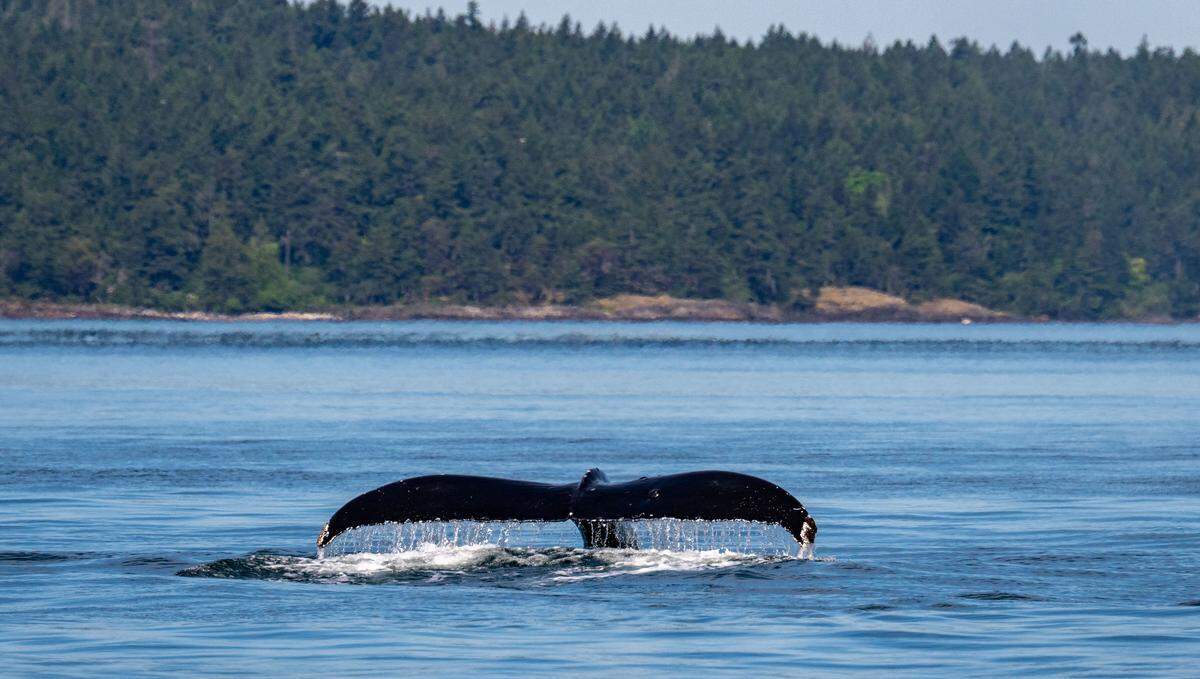
Which marine mammals are common in Washington state?
According to the National Marine Sanctuary Foundation, these are some of the marine mammal species you’re likely to spot along the coast of Washington state
- Gray whales
- Orcas
- Harbor porpoises
- Risso’s dolphins
- Harbor seals
- Stellar sea lions
- Northern elephant seals
- Sea otters
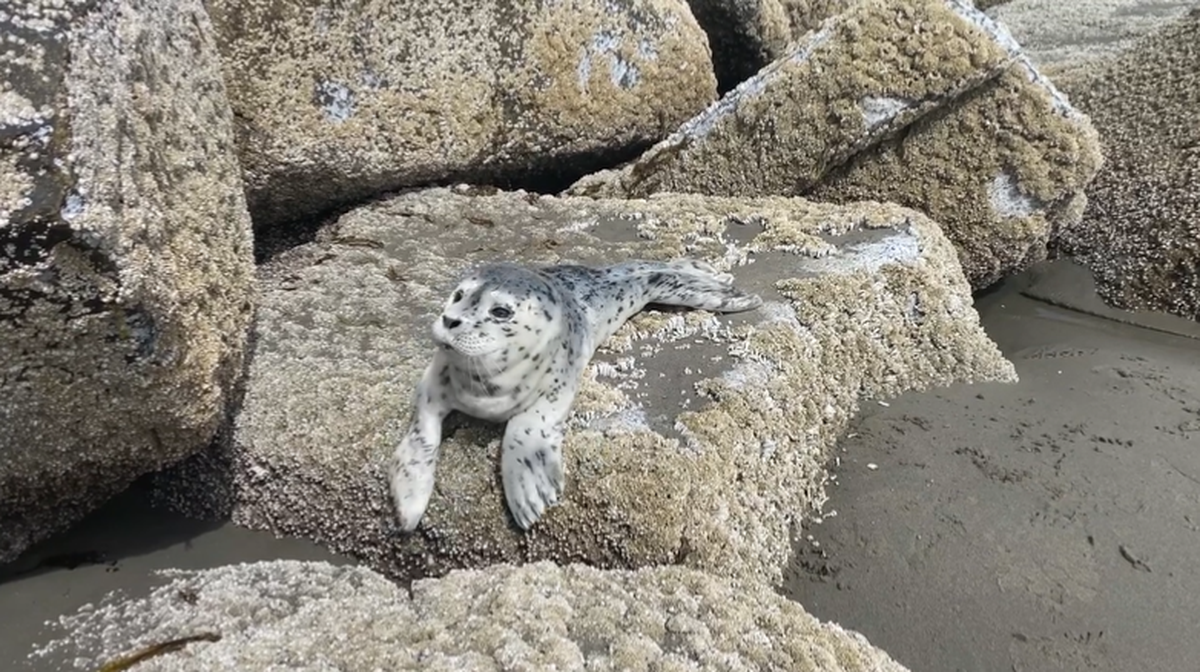
Do wild animals need my help?
Although it’s natural to want to help, not all wild animals need assistance from humans, experts said.
“Most wild animals do not need to be ‘rescued,’ ” the Washington Department of Fish & Wildlife said.
According to state wildlife officials, there is "almost never a time when you should remove a baby animal from its natural environment,” even if it appears to be abandoned.
“More often than not, the parent is nearby and leaving a young animal alone usually affords it the best chance for survival,” the state Fish & Wildlife Department said.
Interfering with young wild animals such as baby seals can be “harmful or fatal” for critters, state wildlife officials said, and pull resources away from wildlife rehabilitators who need to concentrate on “truly orphaned or injured wildlife.”
“The only time you should consider intervening in a wild animal’s life is if it is clearly sick or injured, or if you are certain the parent is dead,” the state Fish & Wildlife Department said.
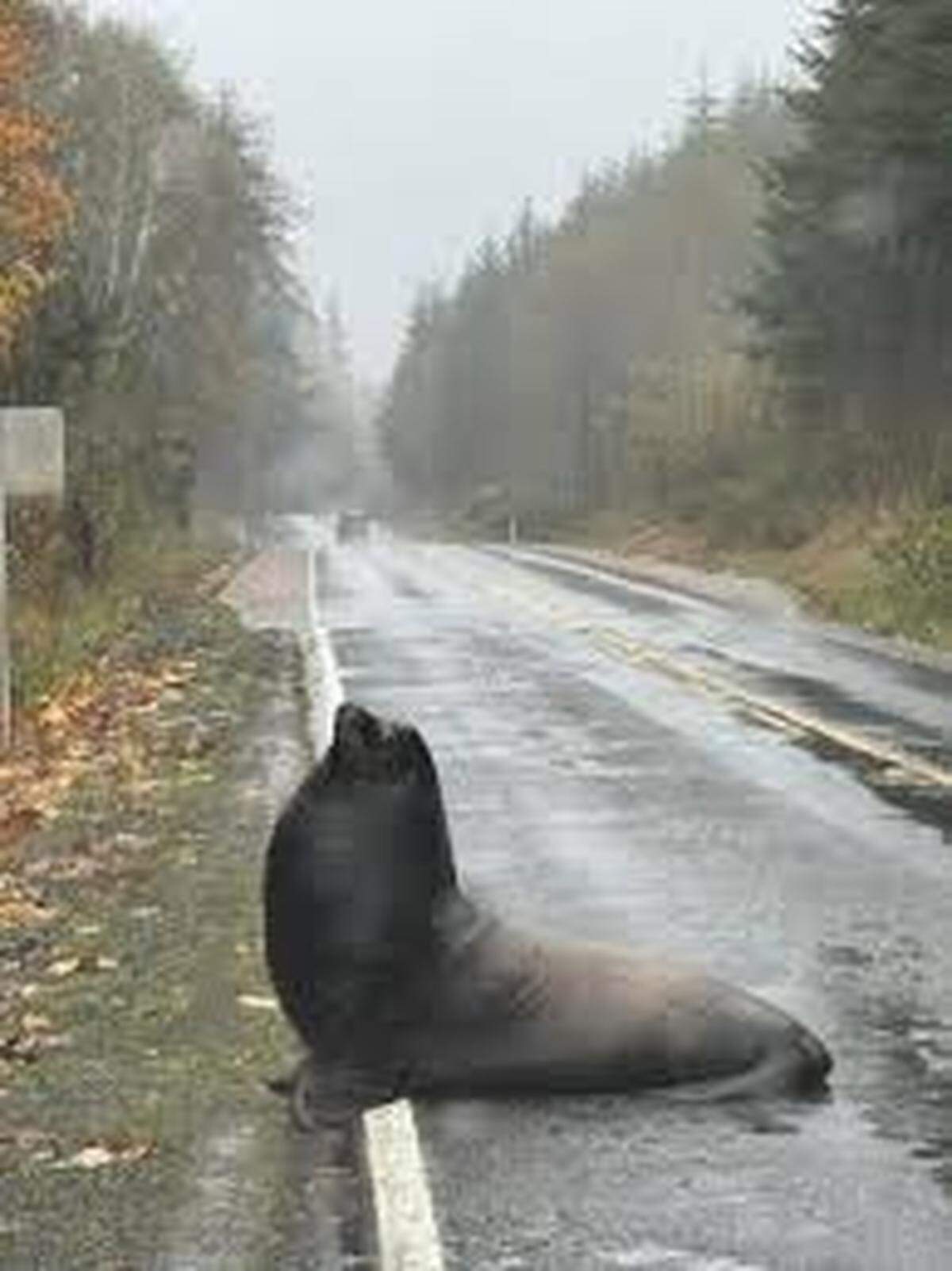
How can I tell if an animal is stranded?
A marine mammal is considered stranded if it’s “on the shore and unable to return the water under its own power” or in the water and unable to return its natural habitat without help, according to the National Oceanic and Atmospheric Administration’s West Coast Marine Mammal Stranding Network.
Ocean animals on the shore that are “in need of apparent medical attention” also qualify as stranded, according to the network.
Another example of a stranding is a dead marine mammal on the beach or in the water.
Causes for stranding including “disease, parasite infestation, harmful algal blooms, injuries from ship strikes or fishery entanglements, pollution exposure, trauma and starvation,” the West Coast Marine Mammal Stranding Network said.
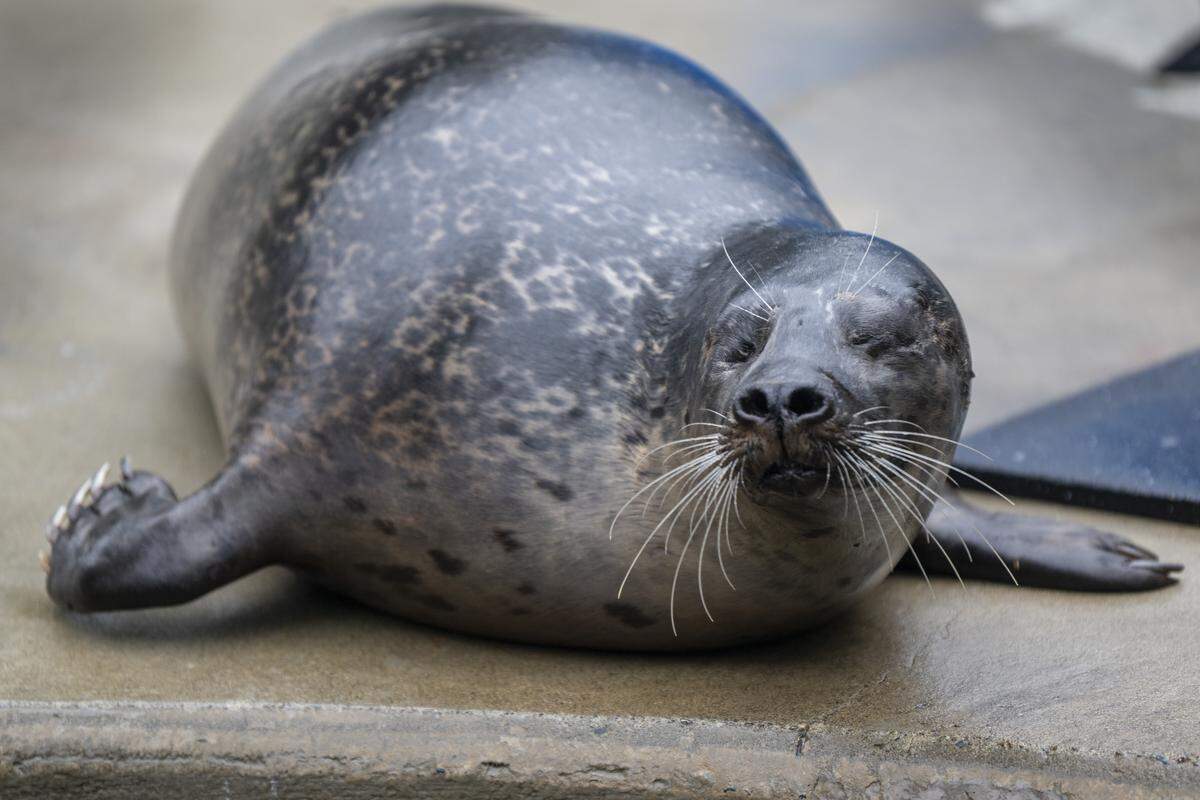
What should I do if I see a seal or sea lion on shore?
If you see a marine mammal on the beach, determine whether it’s truly stranded first, experts said.
“Many seals and sea lions haul out and rest on land and are not in distress,” the West Coast Marine Mammal Stranding Network said.
Instead of approaching the animal, evaluate its behavior from a safe distance and monitor its condition for 24 hours.
To avoid being exposed to zoonotic diseases, which can be transferred from animals to humans, stay at least 100 yards away and keep dogs at least 100 yards away at all times.
“Do not disturb, move, touch or feed a marine mammal,” the network said.
It’s worth remembering that all marine mammals are protected under the federal Marine Mammal Protection Act, with means it’s illegal to harass, hunt, capture or kill them.
.jpg "A+new+calf+surfaces+beside+T046B3+Sedna.+Tom+Filipovic,+Eagle+Wing+Tours+(PWWA).jpg")
How to report a dead, injured or stranded animal
If you spot a dead, injured or stranded marine mammal in Washington state, you can report it to the West Coast Region Stranding Hotline at 866-767-6114.
You can report entangle animals by reaching out to the U.S. Coast Guard or calling the Entanglement Reporting Hotline at 877-767-9425.
Report harassments and other violations by calling the NOAA Enforcement Hotline at 800-853-1964.
In particular, the West Coast Marine Mammal Stranding Network encourages people to report the following:
- Live cetacean on the beach or entangled cetacean in the water
- Live pinniped on the beach for more than 24 hours
- Obviously sick or injured animal that’s been hauled out for less than 24 hours
- Any dead marine mammals
When you call, be sure to share this information:
- Species or description of the animal
- Location
- Date and time the animal was last seen
- Approximate size of the animal
- The animal’s condition
- Evidence of human interactions such as a ship strike, entanglement or shooting
- Any tags or branding
- Your name and contact number
Who can I call in Whatcom County? Thurston County?
Spot a stranded animal on a Whatcom County beach? Call the Whatcom County Marine Mammal Stranding Network at 360-966-8845.
You can reach the Washington Department of Fish & Wildlife’s Coastal regional office at 360-249-4628
It serves Clallam, Grays Harbor, Jefferson, Kitsap, Mason, Pacific, Pierce and Thurston counties.
To report stranded marine mammals in Thurston and Mason counties, you can also reach out to the Cascadia Research Collective by calling or texting 360-791-9555. You can also email strandings@cascadiaresearch.org.
The Olympia-based organization also responds to strandings of large whales across Washington state.