Snoqualmie Falls Visitor Guide: Parking, Trails and the Best Time to See the 268-Foot Waterfall
Just 25 miles east of Seattle, Snoqualmie Falls plunges 268 feet into the Snoqualmie River, drawing roughly 1.5 million visitors a year to one of Washington state’s most photographed natural landmarks. Whether you discovered it through reruns of Twin Peaks or you’re hunting for a low-effort day trip from the city, here’s what you need to know before you go.
Getting There and Parking
The falls sit about 25 miles from Seattle and 39 miles from Tacoma, making them an easy half-day excursion. Admission is free — the only cost is parking, and there are two options.
The main lot, perched right along the rim, charges $7 for the first two hours and $5 for each additional hour. You’ll pay at self-serve kiosks near the Visitor Center, so have your license plate number handy. Across the road, a larger free lot connects to the park via an overhead pedestrian bridge and is ADA accessible.
A word of warning: The free lot fills up fast, especially on weekends and holidays. Arrive early if you’d rather not circle.
Where to View the Falls
There are two main lookout points — one at the top of the rim and one at the base, closer to the spray. The upper viewpoint is the easy win: a short walk from the parking area with sweeping views of the cascade and the river canyon below.
The lower lookout takes more effort, but the perspective from the base is worth the climb. Note that this viewpoint may be closed in winter when paths become icy and slippery.
Hiking the Trail
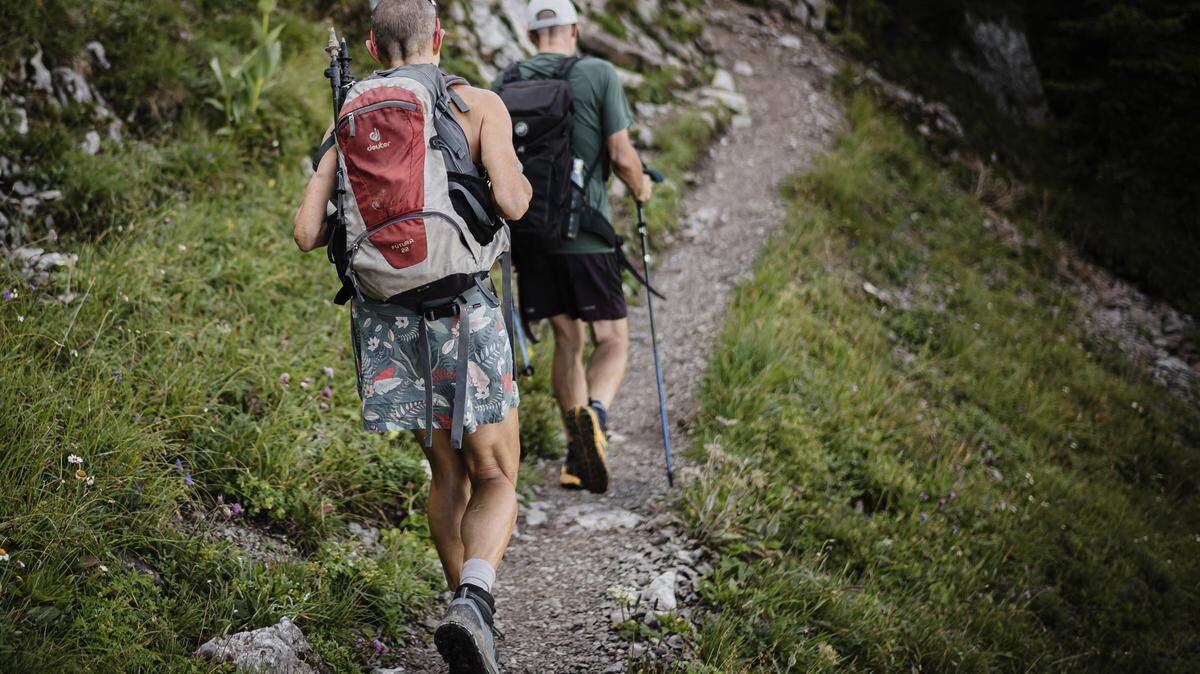
The trail connecting the upper plaza to the lower plaza is less than half a mile in length, but it drops nearly 300 feet — meaning the return climb is the real workout. The full round-trip hike clocks in at just over a mile and a half and typically takes 30 to 60 minutes. It’s rated easy-to-moderate, but anyone with mobility limitations should plan accordingly.
When to Go
The falls are at their most dramatic in spring and early summer, when snowmelt swells the river and the cascade can stretch up to 150 feet wide. By fall, the width may shrink to around 50 feet, but autumn foliage frames the view in a way that makes the trip worthwhile in a different way.
Popularity is the trade-off. Expect crowds and lines on spring and summer weekends. Weekday mornings are your best shot at a quieter visit.
Facilities and What to Pack
The recently renovated Visitor Center and Gift Shop is open daily from 9 a.m. to 5 p.m. Inside you’ll find new exhibits dedicated to the Snoqualmie Tribe’s history and culture, along with restrooms, a café, an ice cream counter and souvenirs. Outdoor tables are available in good weather.
Pacific Northwest weather is famously unpredictable, so pack layers and rain gear regardless of the forecast. Waterproof footwear, a waterproof backpack and a few plastic baggies to shield your phone and camera from the mist are smart additions. If you’re tackling the full trail, bring water, snacks, sunscreen and proper hiking boots.
Respecting a Sacred Place
The falls are considered sacred by the Snoqualmie Tribe. Visitors should stay on designated paths and leave artifacts and natural objects undisturbed — a small ask in exchange for access to one of the region’s most powerful landscapes.
This article was created by content specialists using various tools, including AI.
This story was originally published May 20, 2026 at 4:31 PM with the headline "Snoqualmie Falls Visitor Guide: Parking, Trails and the Best Time to See the 268-Foot Waterfall."