Plans for boating? WA officials need help keeping this invasive mussel away
Anyone who works or recreates in the water is being asked to help prevent the spread of an invasive mussel species determined to be an “imminent threat” to Washington’s waters.
The Washington Department of Fish and Wildlife (WDFW) made an emergency ruling last month to classify golden mussels as a Prohibited Level 1 invasive species statewide after the species was intercepted on a watercraft in Oregon on April 4.
The classification means live golden mussels may not be possessed or retained, introduced on or onto a water body or property, or transported, bought or sold without authorization or a permit, according to WDFW.
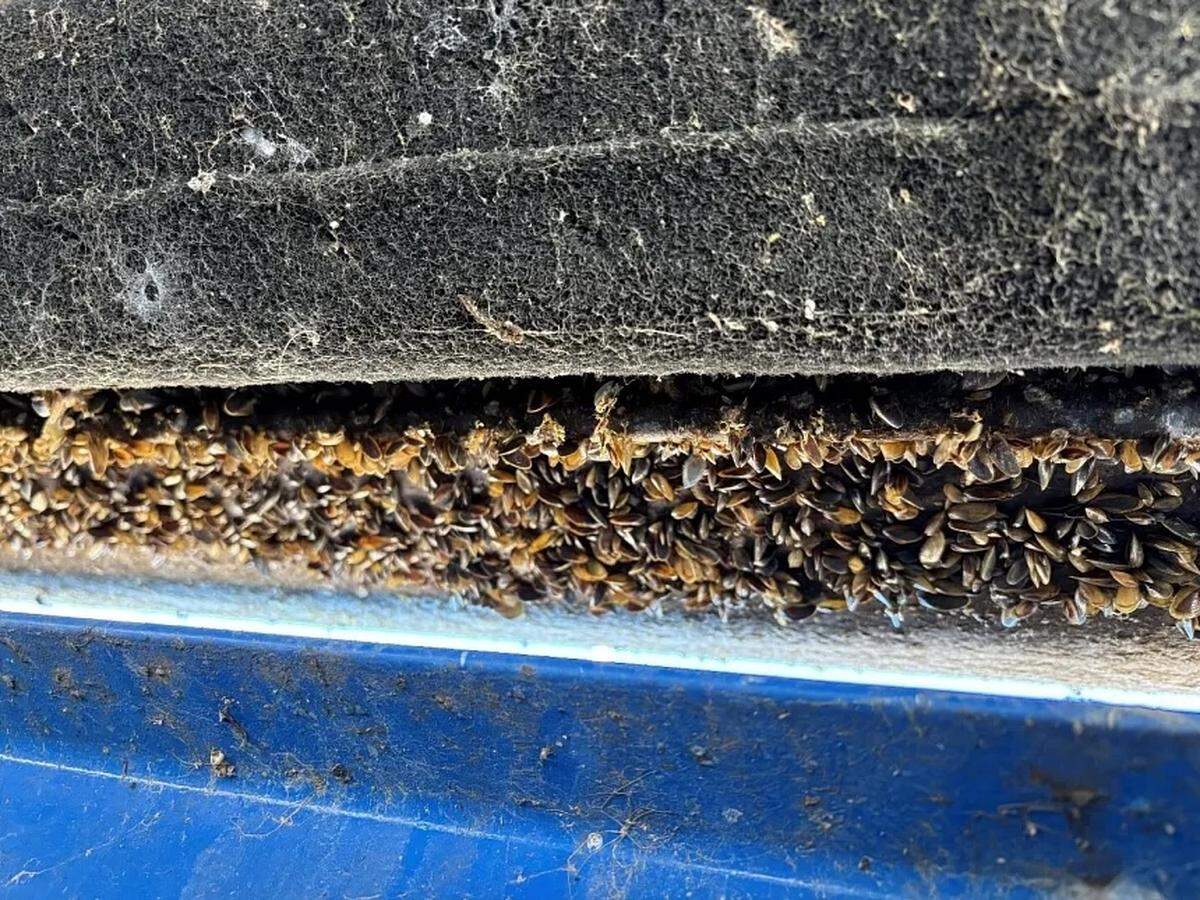
Golden mussels were first identified in North America in California in 2024. Although they have not yet been identified in Washington, their detection in Oregon “confirms an active pathway for invasive mussels to spread northward through movement of contaminated recreational boating and aquatic equipment,” according to an announcement from WDFW.
Potential impact of golden mussels on WA wildlife, infrastructure
Golden mussels have been identified as a “high-risk invasive species” in federal and state risk assessments by the U.S. Fish and Wildlife Service and the U.S. Geological Survey Nonindigenous Aquatic Species resource system. The mussels pose risks to native species, water-dependent industries and cultural resources, according to WDFW.
Golden mussels pose similar threats to the environment, economy and health as invasive quagga and zebra mussels, which are also classified as Prohibited Level 1 species in Washington. However, golden mussels can tolerate a wider range of water temperatures and salinity, including brackish waters and estuaries.
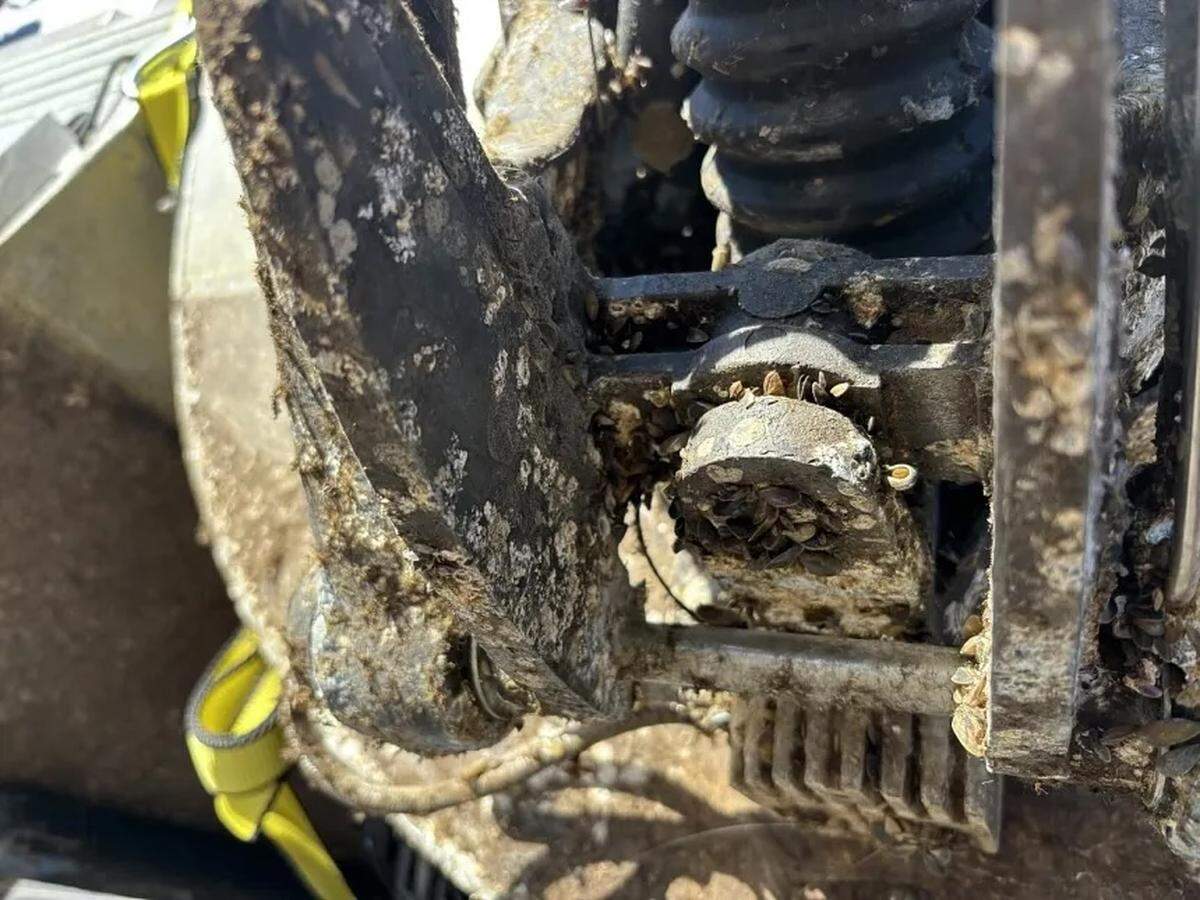
They have a unique ability to attach to surfaces and reproduce rapidly, which can negatively impact critical habitat for native fish and wildlife, including threatened and endangered species, according to WDFW. They can also impact infrastructure for hydropower, irrigation, drinking water systems and sewage by clogging intake pipes.
“Like potential impacts from quagga and zebra mussels, hydropower and water infrastructure management and mitigation costs could exceed more than $100 million annually if they become established in Washington,” WDFW said in the announcement.
How to prevent the spread of invasive mussels
Operators of recreational watercraft and aquatic equipment are being asked to practice the ‘Clean, Drain, Dry’ technique before transporting the vessel between water bodies.
Stopping for mandatory inspections as required by state law and performing vessel decontamination are also proven to stop the spread of aquatic invasive species, according to WDFW.
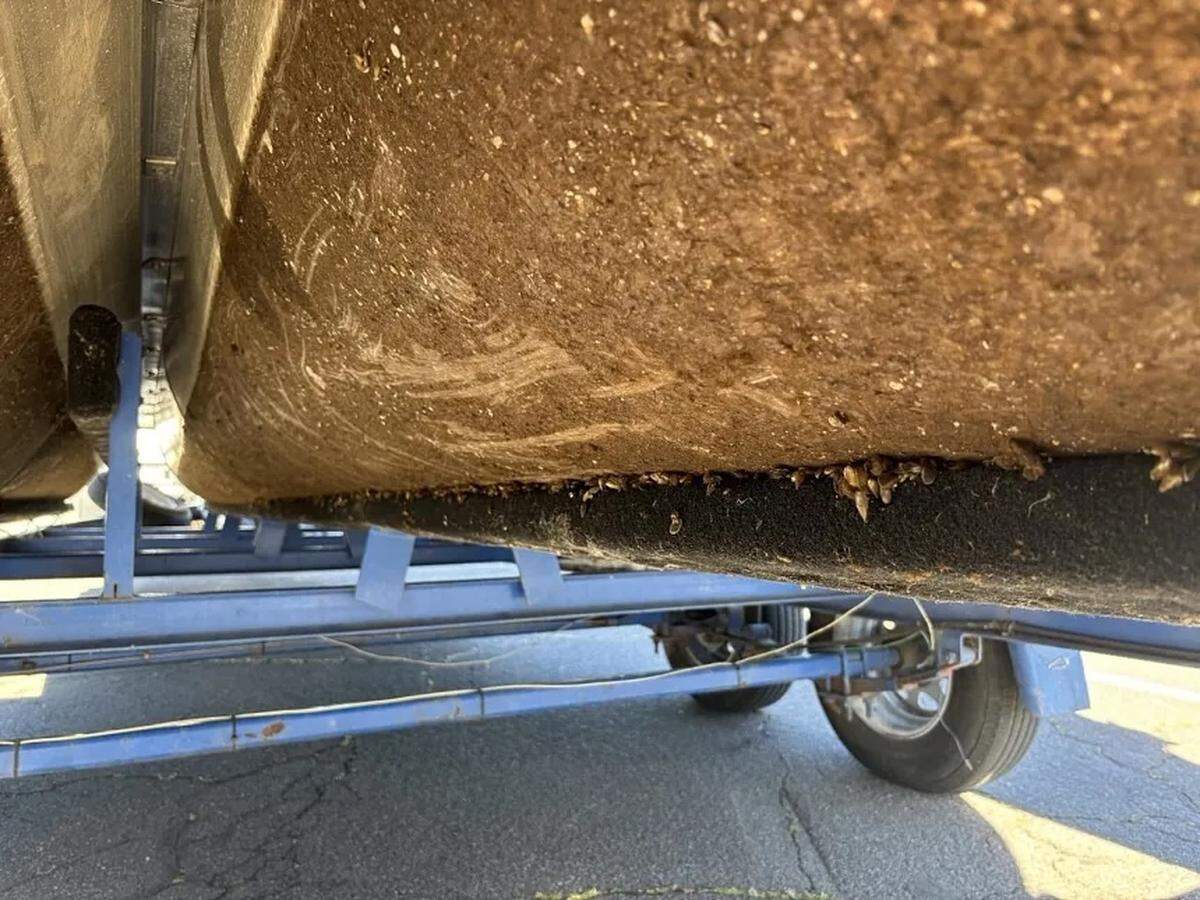
Potential sightings of aquatic invasive species can be reported to the Washington Invasive Species Council on their website or app.
More information about golden mussels can be found online through WDFW.