
Visiting Canada? Here are the best — and busiest times — to cross the border
Craving hockey, maple syrup or some Tim Hortons coffee? Visiting our neighbors to the north in Canada can be a fun road trip.
However, waiting at the U.S.-Canadian border can bring major headaches.
In some cases, you might have to wait several hours for a border agent to ask you a couple of questions and send you on your way.
When are the best times to cross the border? Which times should you avoid?
Here’s what to know:
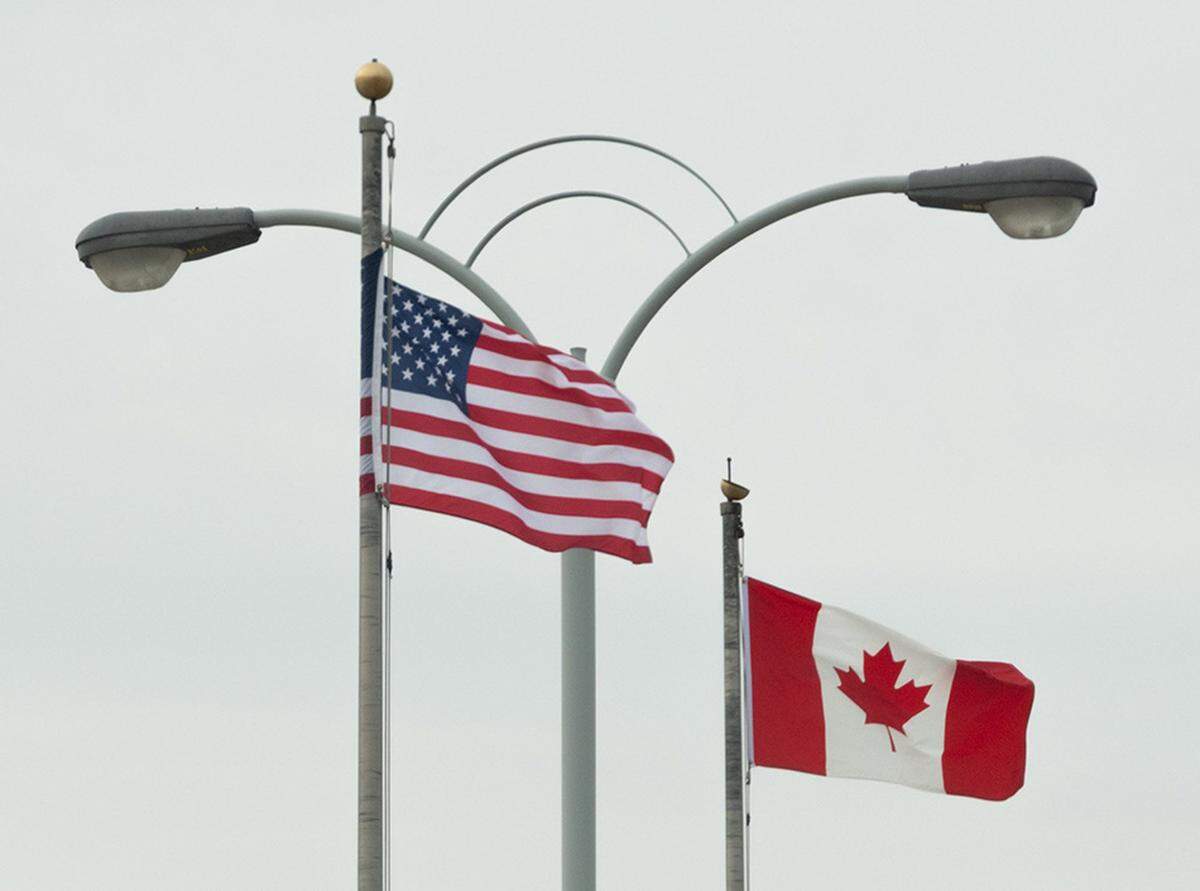
When are best times to cross the border into Canada?
Ideal times to cross the U.S. border into Canada include early in the morning, according to Luke Reimer, a spokesperson for the Canada Border Services Agency.
Visitors can face longer waits during long holiday weekends, especially on Mondays, Reimer said.
“Estimated wait times can vary due to many factors like major events and holiday visitors and important enforcement actions such as drug or firearm seizures,” the Canadian border agency said.
They can also fluctuate depending on the time of year.
When are the best times to cross the border into US?
If you’re returning home to the United States, according to U.S. Customs and Border Protection, the average busiest time to cross the border is 3 p.m. on weekdays.
The best times to cross the U.S. border are at 11 p.m. or anytime between midnight to 9 a.m., according to the federal agency’s website.
How can I make crossing the border easier?
To make your experience at the U.S.-Canadian border a little smoother, ensure all your documents are together and can be easily presented to the border agent.
You should also be prepared to declare whatever you plan on bringing into the country.
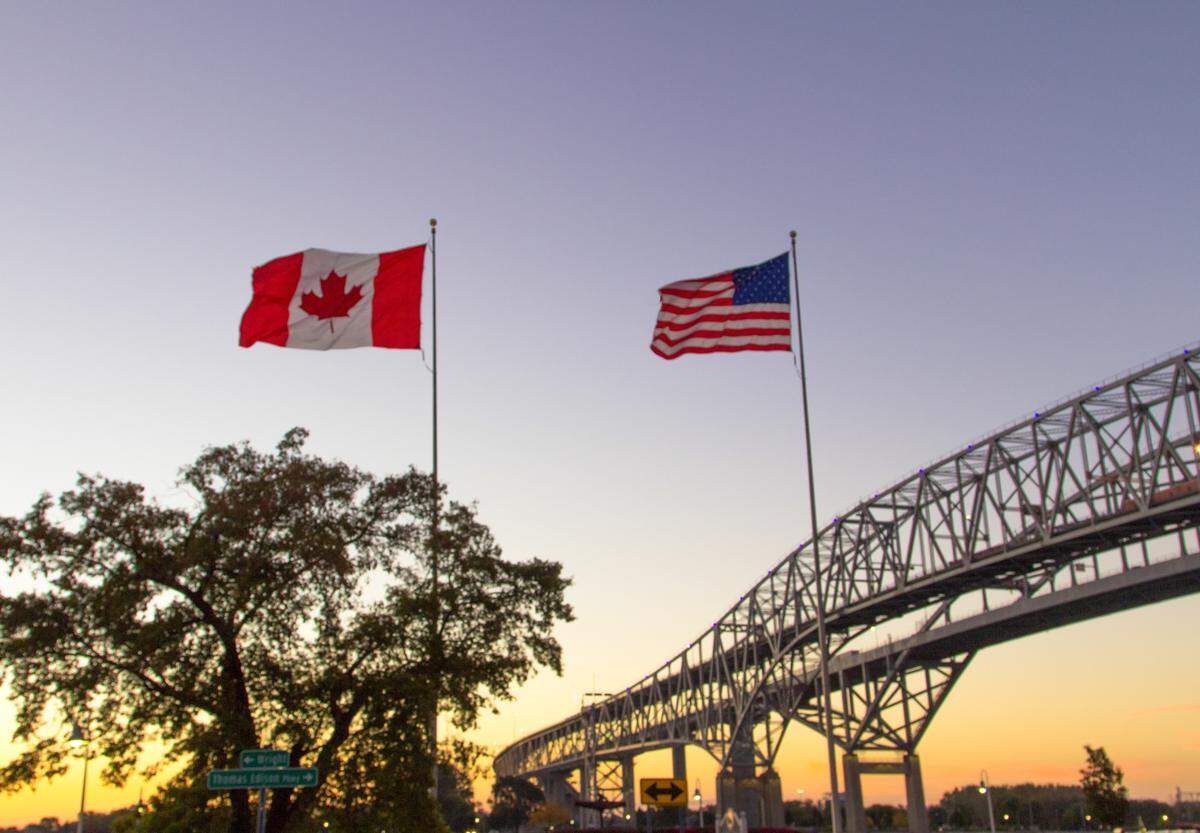
What do I have to declare when crossing Canadian border?
When crossing the Canadian border, you are required to “declare all of the goods you acquired while outside Canada, such as purchases, gifts, prizes or awards that you are bringing with you or are having shipped to you,” according to government officials.
You also need to declare “goods that are still in your possession that you bought at a Canadian or foreign duty-free shop,” the Canada Border Services Agency said.
What can I bring into Canada?
However, there are still some items you can bring into Canada that don’t need to be declared at the border.
These include personal items such as:
- Clothing
- Camping and sports equipment
- Cameras
- Personal computers and devices
- Cars, boats and aircraft
You won’t need to pay taxes or duties on your personal items as long as you declare all of them at the border and bring them all back when you leave.
According to the Canadian government, personal goods can’t be used by a Canadian, given as a gift to a Canadian or left behind in Canada.
If you are ever unsure if something you plan on bringing across the border is allowed, you can call a Canadian Border Service Agency officer at 1-800-461-9999.
This is the best way to be open and honest with Canadian government officials, Reimer said.
What do I need to declare at the US border?
According to the U.S. Department of Agriculture, these are some of the items that must be declared when crossing from Canada into the United States:
- Plants
- Seeds
- Fresh cut flowers
- Greenery
- Meat
- Poultry
- Dairy products
- Eggs or eggs products
- Pet food or treats
- Homegrown, dried, frozen or canned fruits and vegetables
U.S. agricultural inspectors will examine your items to make sure they do not “harbor harmful foreign pests or diseases,” the federal agency said. “We recommend that you keep receipts and original packaging of agricultural products as proof of their country of origin.”
What can I bring across the border into the United States?
You’re not required to declare limited quantities of alcohol, tobacco and money when crossing from Canada into the United States, according to U.S. Customs and Border Patrol.
Here’s what is allowed:
Alcohol
- One liter or three beers
Tobacco
- One carton of cigarettes, 200 cigarettes or 100 cigars
Currency
- Currency or monetary instruments below $10,000.