
U.S. energy secretary defends Snake River dams, criticizes environmentalists
AI-generated summary reviewed by our newsroom.
- Energy Secretary Chris Wright blasts critics of lower Snake River dams
- Rep. Dan Newhouse questioned him at House committee budget hearing
- Wright addressed Hanford budget cuts and BPA direction at hearing
The energy secretary had what may be his harshest public words yet this week about those who want to take out the four lower Snake River dams in Eastern Washington.
He spoke at a U.S. House Energy and Water Development Appropriations hearing, answering questions from Rep. Dan Newhouse, R-Wash., about a proposed cut for the Hanford nuclear site budget, Bonneville Power Administration issues and his support for the Snake River hydroelectric dams.
Newhouse asked him to reaffirm the Trump administration’s commitment to preserving the dams from Ice Harbor Dam near Pasco to Lower Granite near Lewiston, Idaho.
Energy Secretary Chris Wright praised the infrastructure at the four dams, including fish ladders and new turbines, that help more salmon survive on the Snake River. They address a real problem, he said.
“But that wasn’t enough for the people that are fighting against these dams because it sort of exposes the lie,” he said.
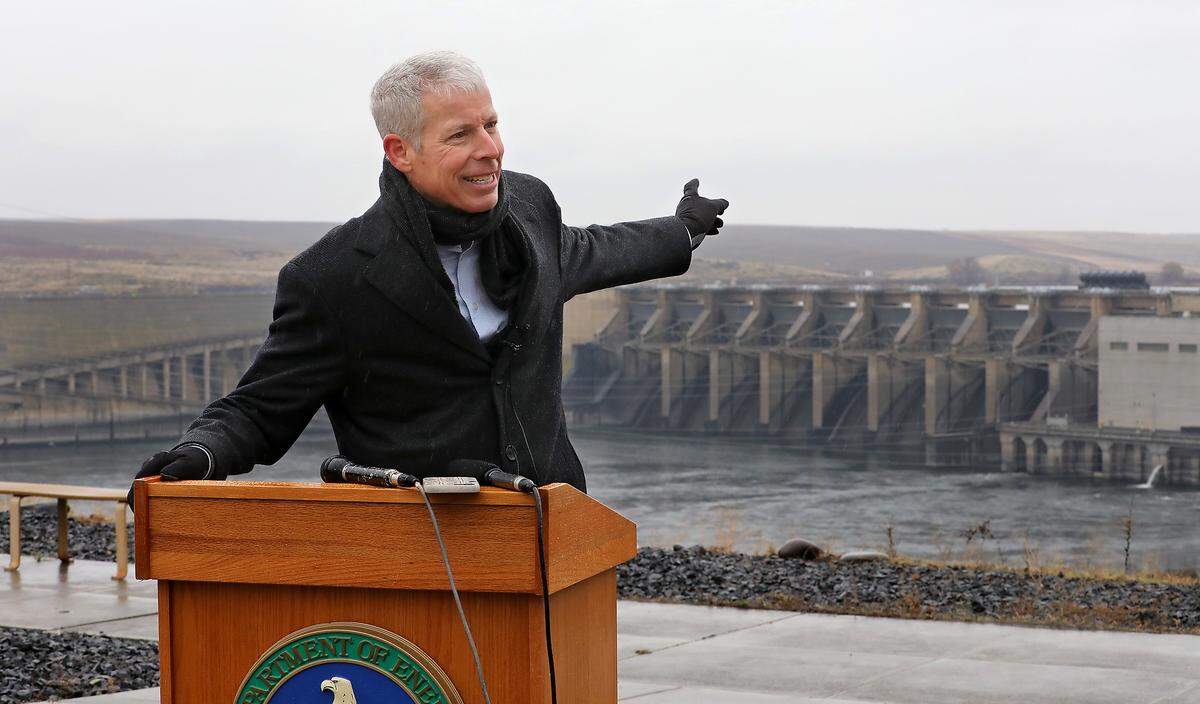
“It’s not really about the salmon for them,” he said. “It’s they don’t like these big pieces of industrial infrastructure that somehow they think they want to, you know, go back to the pre-industrial age. They would never want to live in that pre-industrial age.”
He said he believed that supporters of tearing down the dams are a “very small minority,” but that they are viewed positively as environmentalists.
“We all want a clean environment, but that’s not real environmentalism. That’s just people attacking infrastructure,” he said.
Snake dams and salmon
The hearing was at least the third time Wright’s publicly discussed his support for the Snake River dams since becoming energy secretary, including during a visit to Ice Harbor Dam south of the Tri-Cities in December.
But tearing down or breaching the dams is widely supported by Northwest tribes, the fishing industry and Northwest environmental groups.
Building the four dams in the ‘60s and ‘70s transformed the lower Snake River into a series of warm, shallow lakes where predators, dam turbines and hot water kill too many migrating salmon,” says Columbia Riverkeeper on its website.
The National Wildlife Federation says four of the 16 salmon and steelhead stocks that historically returned to spawn above the Bonneville Dam on the Columbia River are extinct and seven more are listed under the Endangered Species Act as endangered or threatened, including all that return to the Snake River.
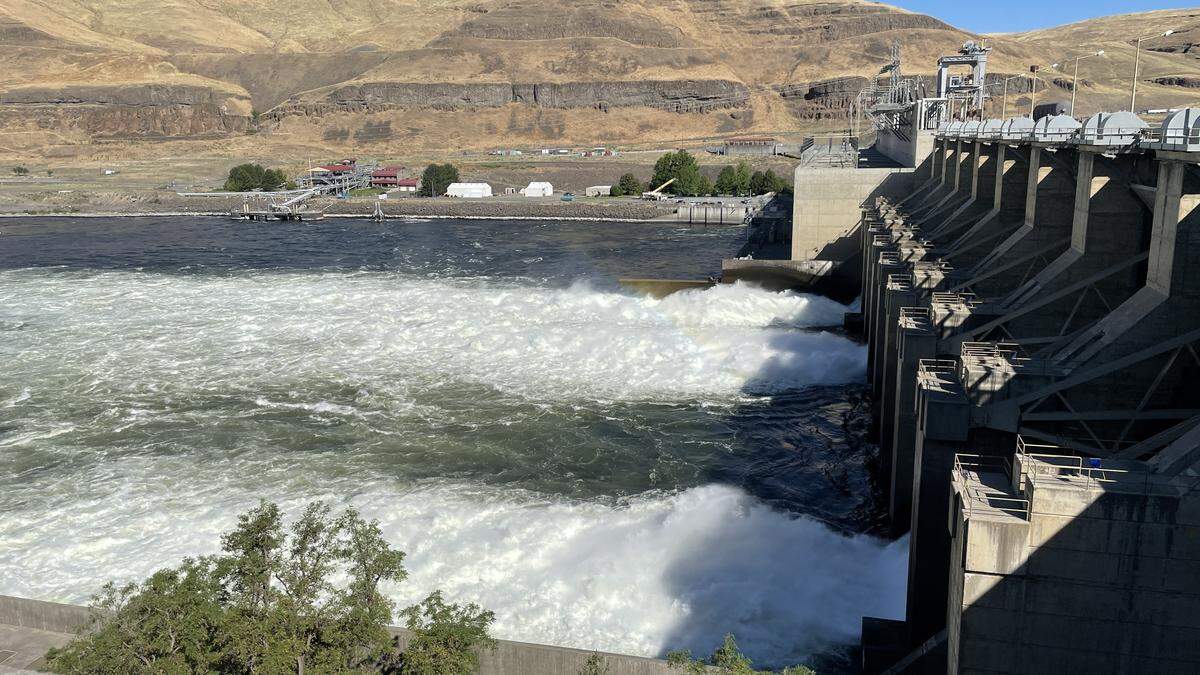
Opponents of breaching the dams have included those who depend on the Snake River for barging, including farmers exporting wheat, and supporters of hydropower electricity production.
“It’s hard to overstate the importance of hydropower,” Wright said. It provides variable, or dispatchable, power, with power production ramping up when it is needed and then ramping down at low demand times and allowing more water to spill over the dams, he said.
Newhouse criticized a recent federal court ruling that requires more water to spill over the dams, which he said would increase utility rates and could harm fish.
On April 3, spring fish passage operations began at the four lower Snake River dams, where the water supply is forecast to be below normal through the summer.
This year’s operations are expected to send more water over dam spillways for a spill up to 125% of state water quality limits in Oregon and Washington for total dissolved gas. Too much dissolved gas in the water can be fatal for fish.
Energy secretary on Hanford
Newhouse also pressed Wright on the administration’s proposed cut of around $400 million from the Hanford nuclear site’s budget for the fiscal year that starts Oct. 1.
The proposal would cut record Hanford nuclear site funding appropriated by Congress for the current fiscal year to about $2.95 billion according to a Department of Energy budget document.
Work at the Hanford vitrification plant would not be impacted, Wright told Newhouse.
In October, Hanford workers began turning some of the less radioactive of 56 million gallons of waste stored in underground tanks into a stable glass form for disposal. The first containers of that waste treated at the vitrification plant were disposed of last week in a lined landfill in central Hanford.
The Trump administration’s topline budget document said that its proposed strategy would reduce liability, as opposed to appropriating money for construction projects still in the design phase.
The DOE budget document said that the design of the Hanford vitrification plant’s High Level Waste Facility is ahead of schedule.
Although low activity radioactive waste is being glassified now at the vitrification plant, the high level radioactive waste portion of the tank waste is not being treated yet. DOE has a federal court order that requires its treatment to start at the plant’s High Level Waste Facility by 2033.
Newhouse did not ask about other proposed cuts, which include what the DOE document called “a temporary hold” on work to deactivate the Hanford 324 Building.
The building, near Richland and the Columbia River, is being deactivated to allow the cleanup of a spill of highly radioactive cesium and strontium beneath it.

Some work also would be paused around the K West Reactor, the last of eight defunct Hanford plutonium production reactors being put in temporary storage.
The administration’s proposed budget would cover continued glassification of low activity radioactive waste; progress on the K West Reactor’s basin; treatment of contaminated groundwater; and work needed for the transfer to dry storage of radioactive cesium and strontium capsules now stored underwater, according to the DOE document.
The Hanford nuclear site by Richland in Eastern Washington produced almost two-thirds of the plutonium for the nation’s nuclear weapons program from World War II through the Cold War.
BPA leadership wishes
As a new administrator is selected for the Bonneville Power Administration, the Department of Energy must keep in mind the need to address several issues, including delays in expanding transmission capacity, Newhouse told Wright.
BPA Administrator John Hairston announced in February his plans for retirement.
Newhouse reminded Wright of a letter that he and other Republican members of Congress sent to the energy secretary last month saying BPA needs to act more quickly on transmission projects. BPA operates and maintains 75% of the Northwest’s high-voltage transmission network and serves nearly 5 million residents.
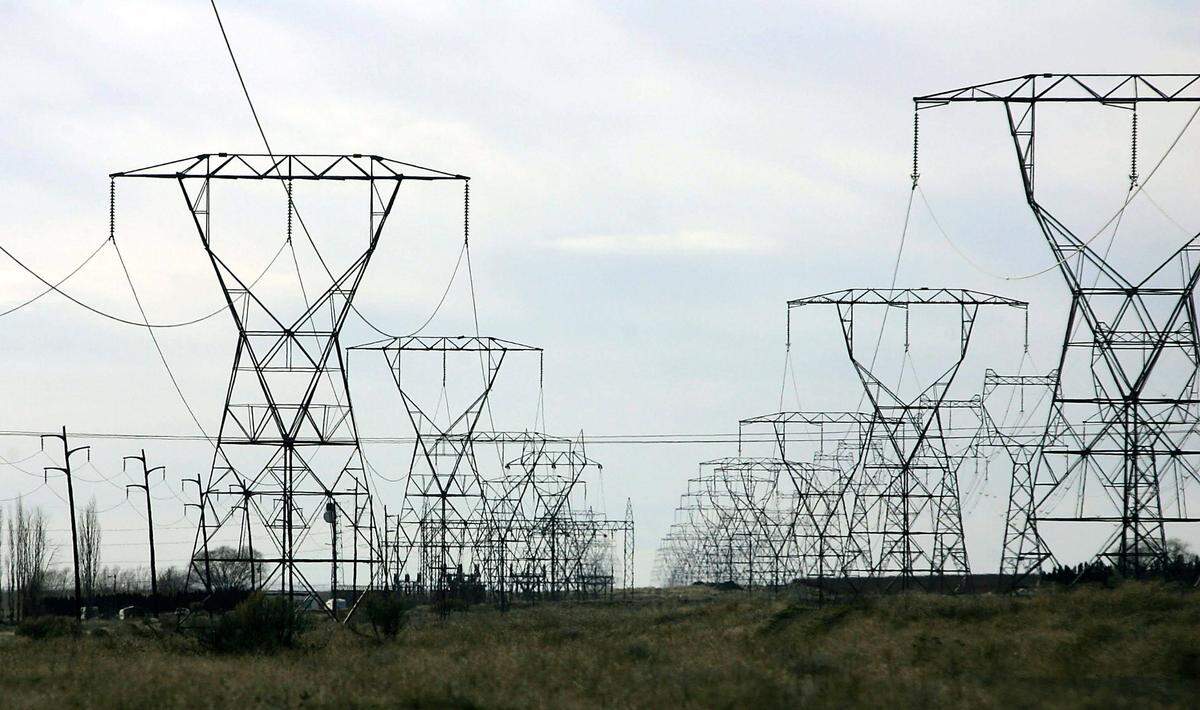
“Why do projects take years and years to move forward?” the letter asked.
The new administrator also must understand the needs of meeting utilities entitled to priority sales of federally generated power, Newhouse said.
“It’s absolutely crucial that the next person has a deep regional knowledge and expertise and truly a clear commitment to the unique mission of the BPA,” Newhouse said.
Wright said that most people don’t appreciate the scale of the BPA and what it means for Northwest’s economy.
“This is a major utility, you know, buried inside a government agency,” Wright said.
Given its scale, a “top-notch” leader is needed, he said.
Wright said he has made calls trying to find the right leader for BPA.
“We can continue to transform either for the better or we can continue a little bit of stagnation — the available electricity, the cost of electricity, the speed at which new interconnections can be made,” he said.
A willingness to lean it and move faster would benefit local communities, he said.
This story was originally published April 17, 2026 at 5:00 AM with the headline "U.S. energy secretary defends Snake River dams, criticizes environmentalists."