
Looking for early spring WA wildflowers? Here’s where to find them
It’s officially wildflower season all over the country, and Washington state is no exception.
Even though wildflowers tend to bloom a bit later in the summer in alpine meadows and higher elevations in the Cascades (and timing can vary year to year depending on snowmelt and other factors), wildflowers are blooming in the lowland prairies, meadows and forests, which usually start showing their colors in April and May.
If you’re a Pierce County resident who’s itching to see wildflowers now, this guide is for you. We’ll start close to home, then cast a wider net to learn exactly where Western Washington’s wild flora grows.
The City of Tacoma
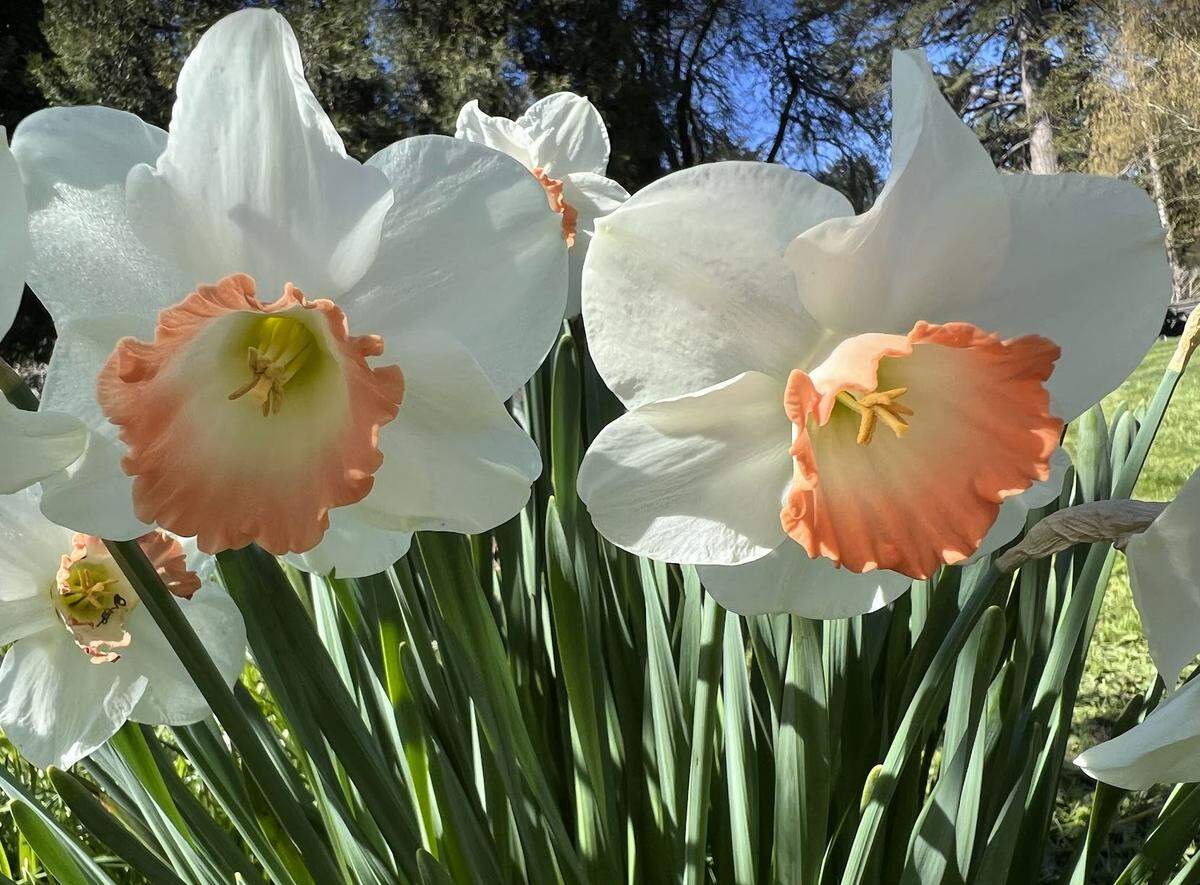
On the far southern end of Tacoma’s Point Defiance Park is the Northwest Native Plant Garden. Here you’ll find wild native flora all around, and in March and April, that includes magnolias. Move your way through the park, and up towards the Lodge, and around the Rose Garden to find daffodils sprouting. Wander to the Rhododendron Garden, which blooms in April. Rhododendrons can also be found in Wright Park.
Irises bloom in May, and you can find them at Point Defiance in the Iris Garden, west of the Rose Garden, and near the pagoda in the Japanese Garden. While you’re walking, look for speckled hellebores.
Nearby parks
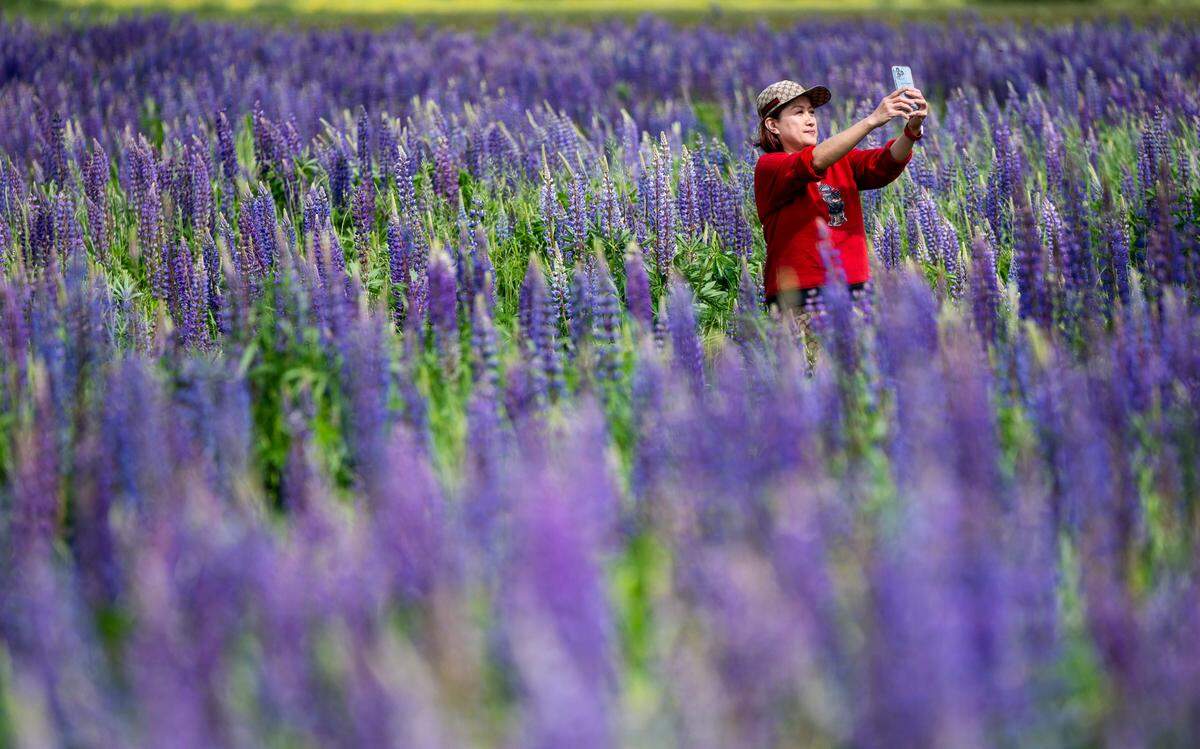
Looking for lupine? Head for Van Lierop Park. Opened in 2019, Van Lierop Park is 18 acres of farmland turned Puyallup city park. It is famous, in particular, for its views of Mount Rainier and rows of wild lupines. Also look for tulips and daffodils.
With over 460 acres, Federal Way’s Dash Point State Park has wildflowers to find in the spring. Strap on your hiking boots and take to the trails. Nearly all of them wind around creeks and bridges bordered by patches of wild violets, trillium, and ginger before bringing you to Dash Point’s sand dollar-covered beach.
Partial to California wild poppies? Chambers Creek Park is for you. Particularly, the Chambers Bay Loop, where you’ll find splashes of yellow and orange poppies up and down the hillsides.
Mima Mounds near Olympia is brushed in blue and purple wildflowers in April. They roll and sway in the wind over this National Natural Landmark with Mount St. Helens and Mount Rainier in the distance.
Heading to the foothills
When you’re from the Northwest, and you start thinking about wildflowers in the mountains, your mind shifts to Mount Rainier National Park. But wildflower season doesn’t really begin there until July (depending on the snowpack). So for the purposes of this guide, we’ll shift to the foothills.
Mount Baker-Snoqualmie National Forest is over 1.7 million acres of the Cascades from the Canadian border to Mount Rainier National Park. It is so huge that it spans portions of six counties. You better believe there are spring wildflowers there.
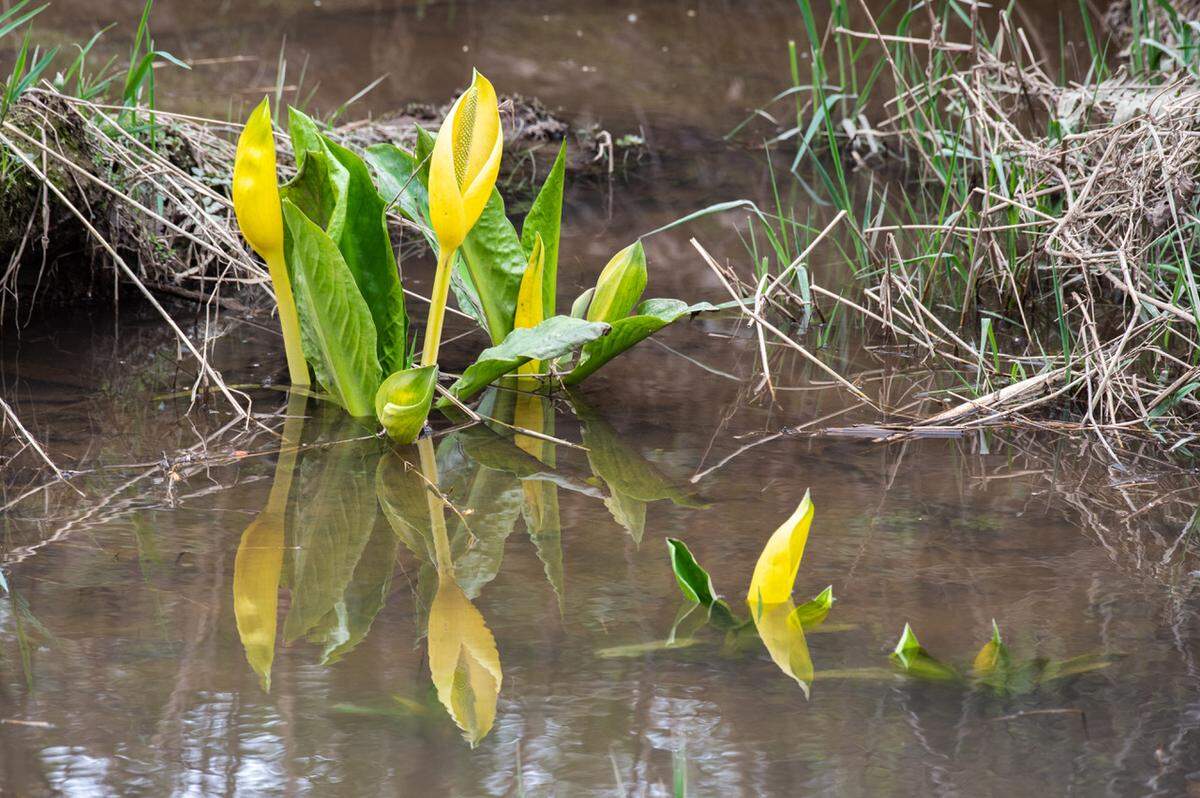
For April wildflower viewing and gorgeous subalpine lakes, head first to the Talapus and Olallie Lakes Trailhead. It’s an easy 6.2-mile hike with moderate elevation gain near Snoqualmie, and absolutely worth it even if you’re not looking for wildflowers. But if you are, look for smatterings of coralroot orchids, marigolds, pinesaps, skunk cabbage, marsh violets, and more.
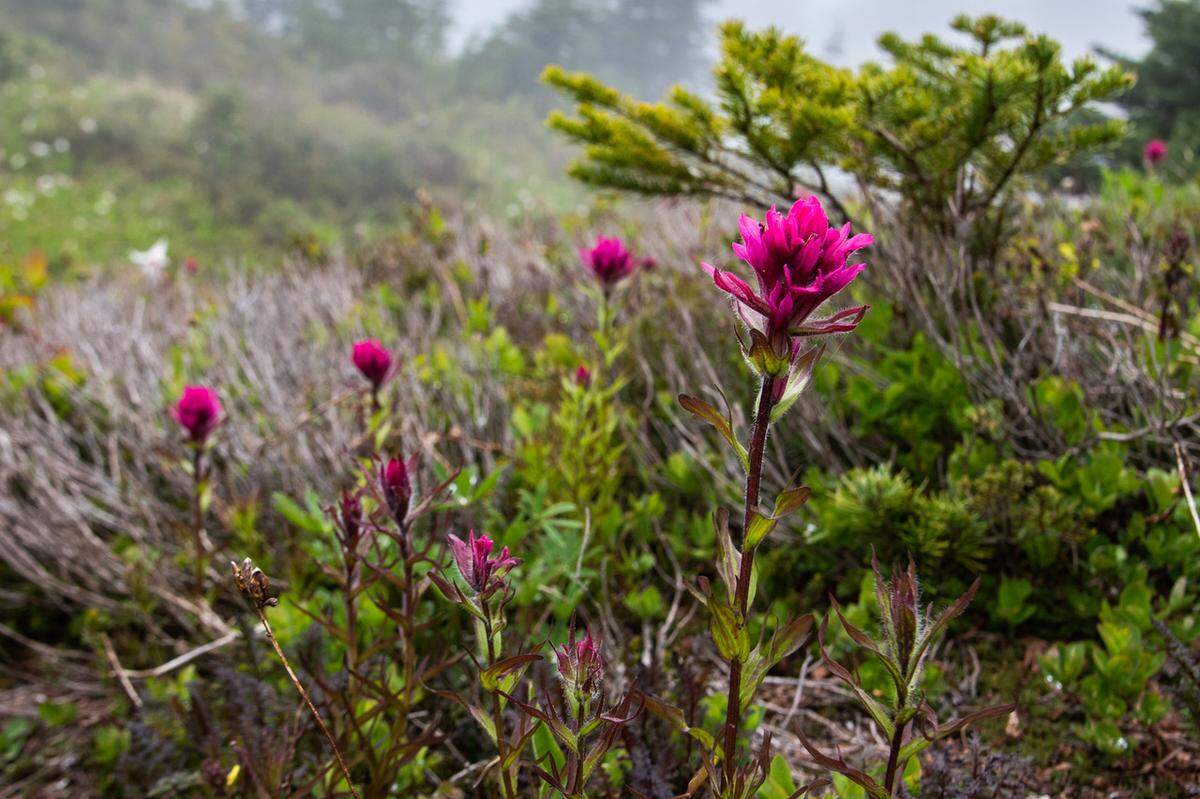
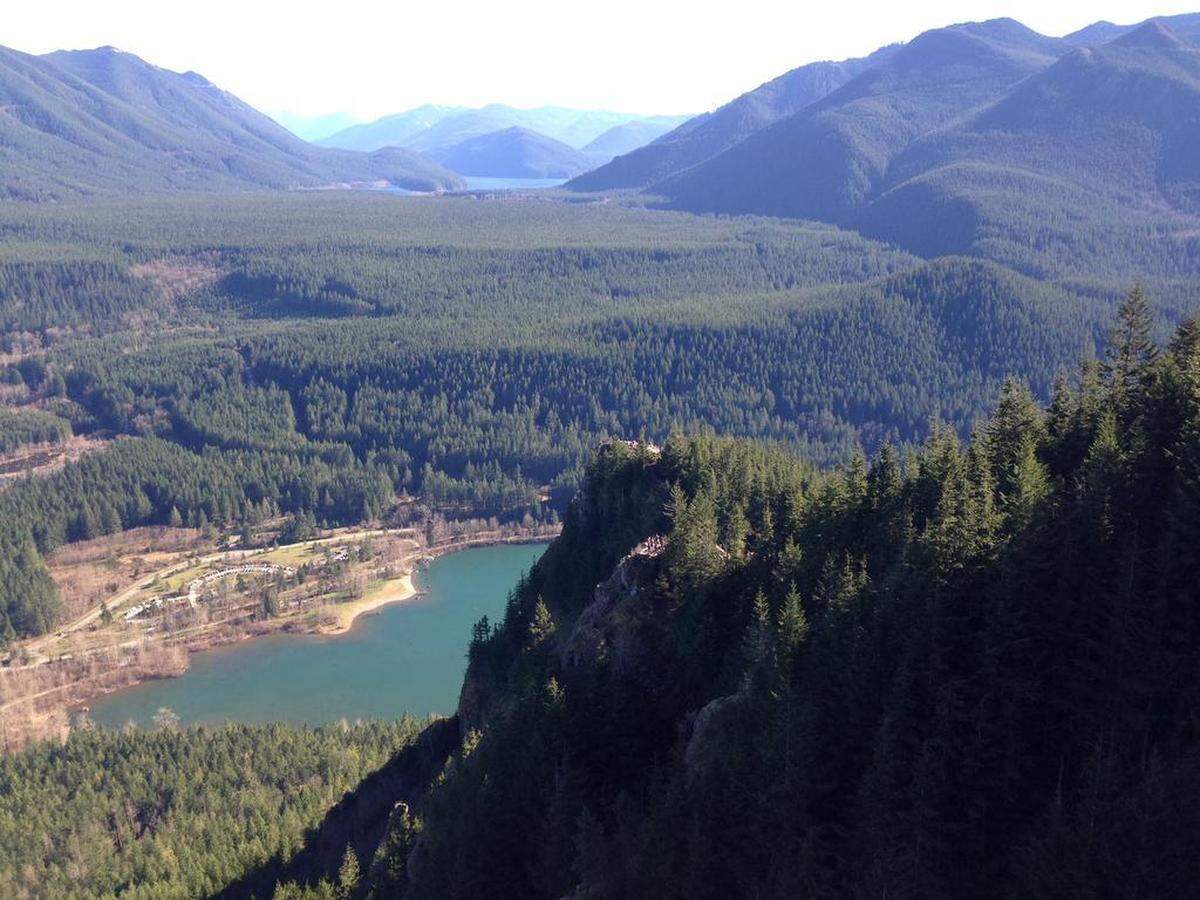
If you’re interested in hiking one of the author’s favorite trails, head over to North Bend and hop on the Rattlesnake Ledge Trail. You’ll pass by historic Rattlesnake Lake (which has ghost town structures under its waters), and switchback up to multiple ledge systems with unparalleled Snoqualmie Valley views. Along the way, those with sharp eyes can spot shrub flowers like trillium, all the way up to pink salmonberry, white blackberry, paintbrush, and coralroot.
A bit farther from Tacoma
This is as far as we’ll cast our spring wildflower net, but, not to be outdone, is Gifford Pinchot National Forest. At 1.3 million acres, with over 1,500 miles of trails, and 72 miles along the Cascade Range (including Mount St. Helens), Gifford Pinchot is the gem of Southwestern Washington.
Not far from the Gorge is the 4.4-mile Grassy Knoll Trail. With its magnificent multiple mountain views–Mount Adams, Mount Hood, and even Mount Rainier–and nonstop rolling meadows of wildflowers, this should be your first stop. As you hike a steep beginning section, you’re met with early spring larkspur, paintbrush, and trillium. Keep hiking, and you’ll find more trillium, phlox, and daffodils along many grassy knolls.
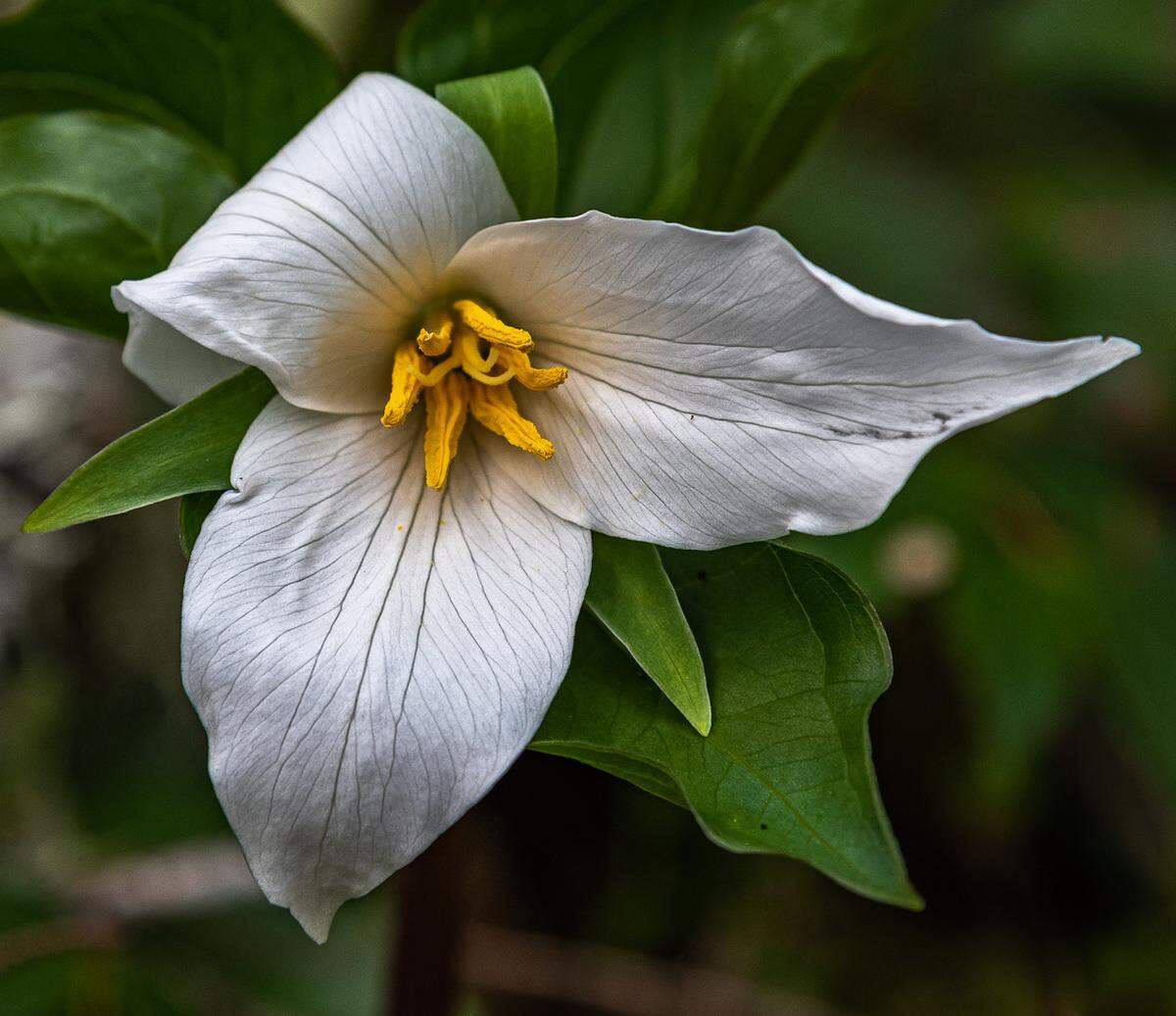
Finally, find yourself on a five-mile round-trip hike on Ed’s Trail on Silver Star Mountain. The reason you might find yourself on Ed’s Trail is because of its massive amount of beargrass, broadleaf lupine, Indian paintbrush, Tiger Lily, lousewort, and penstemon, among many others. Connect with the Silver Star Trail for a full loop.
Bonus
Mount St. Helens!
In late April and early May, a 2.4-mile loop called the Hummocks Trail will provide you with hardy wildflowers like dwarf lupine, scarlet paintbrush, candy flower, and turtlehead, among many others. All while staring at the remains of Washington State’s most famous volcano.
This story was originally published April 17, 2026 at 5:00 AM with the headline "Looking for early spring WA wildflowers? Here’s where to find them."
.jpg)