
What should I pack in my WA emergency kit? See tips from experts
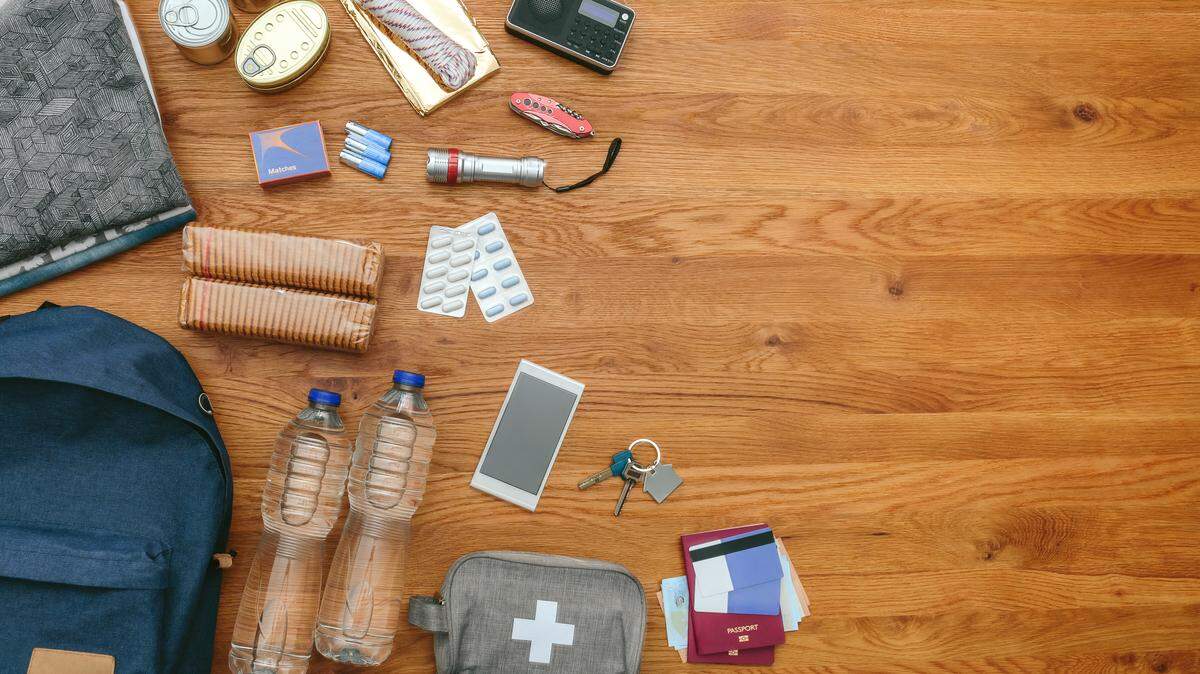
When disaster hits in Washington state, it pays to be prepared.
“After an emergency, you may need to survive on your own for several days,” the U.S. Department of Homeland Security said.
That means having enough food, water and other supplies to last you and your family for several days, the federal agency said.
What should be in your emergency or disaster survival kit?
Here’s what to know:
What should go into my emergency kit?
Although “government agencies will respond to community disasters,” you may be on your own for a while after disaster strikes, according to the Washington State Department of Health.
“You should be prepared to take care of yourself and your family for at least two weeks” — or even months in some cases, the state agency said.
According to Puget Sound Energy, the state Health Department and the Department of Homeland Security, these are some items you should consider adding to your emergency kit:
- Water for seven to 10 days: 1 gallon per person, per day
- Non-perishable food for seven to 10 days
- Manual can opener
- Wrench or pliers to turn off utilities
- First aid supplies and first aid book
- Cash or traveler’s checks
- Flashlight
- Waterproof matches
- Battery-powered radio or television
- Extra batteries
- Cell phone with chargers and a backup battery
- Local map
- Whistle to signal for help
- Clothing, gloves and sturdy shoes
- Shelter items such as a tent, tarp and rope
- Plastic sheeting, scissors and duct tape to shelter in place
- Moist towelettes, garbage bags and plastic ties for personal sanitation
- Copies of important documents such as birth certificates, licenses, and insurance policies
- List of contact names and phone numbers
- Food, water and supplies for pets
Do I need tools? Tape? Blankets or sleeping bags?
Depending on the kind of emergency is most common in your area, the American Red Cross and the Homeland Security Department recommends considering adding these items:
- N95 or surgical masks
- Soap, hand sanitizer and disinfecting wipes to disinfect surfaces
- Household liquid bleach
- Prescription medicines
- Non-prescription medications such as pain relievers, antacids or laxatives
- Prescription eyeglasses and contact lens solution
- Infant formula, bottles, diapers, wipes and diaper rash cream
- Feminine supplies and personal hygiene items
- Fire extinguisher
- Mess kits, paper cups, plates, paper towels and plastic utensils
- Rain gear
- Towels
- Tools or supplies for securing your home
- Household liquid bleach
- Blankets or sleeping bags
- Books, games, puzzles or other activities for children
Where should I store my emergency kit?
Once you’ve made your emergency kit, where should it go?
The Department of Homeland Security recommends picking a couple of different spots.
“Since you do not know where you will be when an emergency occurs, prepare supplies for home, work and cars,” the federal agency said.
The state Health Department recommends storing “a kit at home, at work and at each child’s school or daycare facility.”