
Hulking, forgotten building at WA nuclear site could get new life shaping AI
AI-generated summary reviewed by our newsroom.
- DOE leases 190,000 sq ft FMEF to General Matter to revive U.S. nuclear fuel supply.
- General Matter evaluates FMEF and seeks to support HALEU production for advanced reactors.
- Richland land option and DOE task order signal investment in nuclear manufacturing.
A company that is considering purchasing Richland land for a $4.5 billion manufacturing project related to advanced nuclear fuel has reached a separate agreement for the potential use of a huge Hanford nuclear site facility.
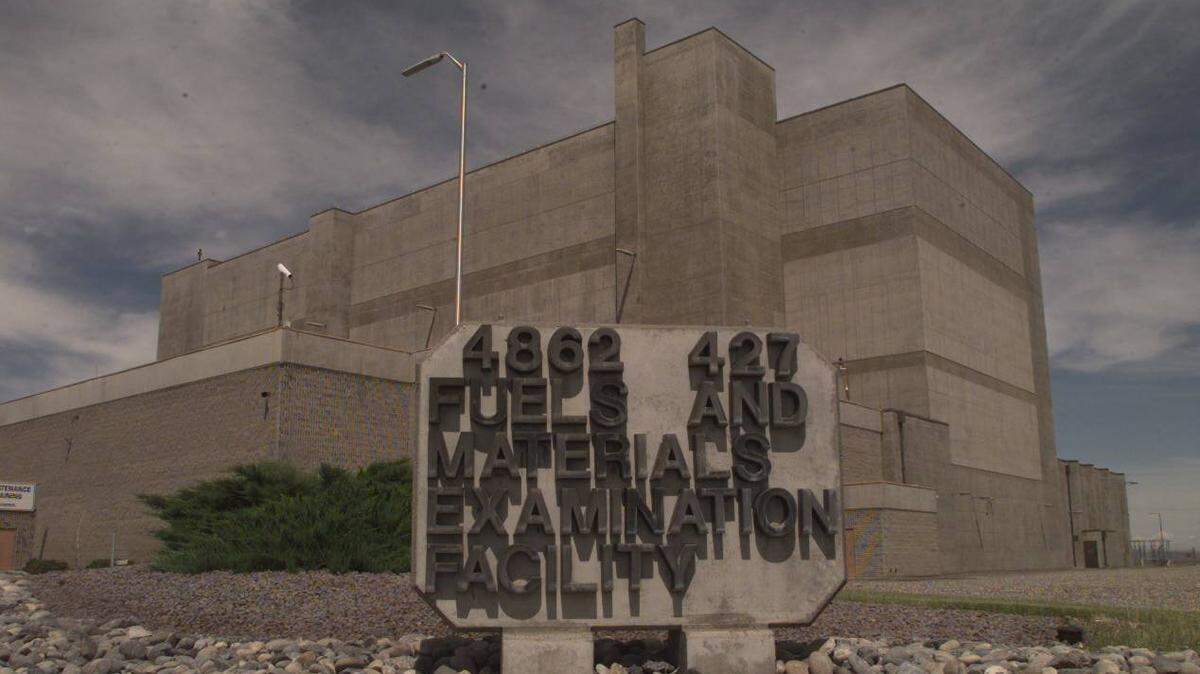
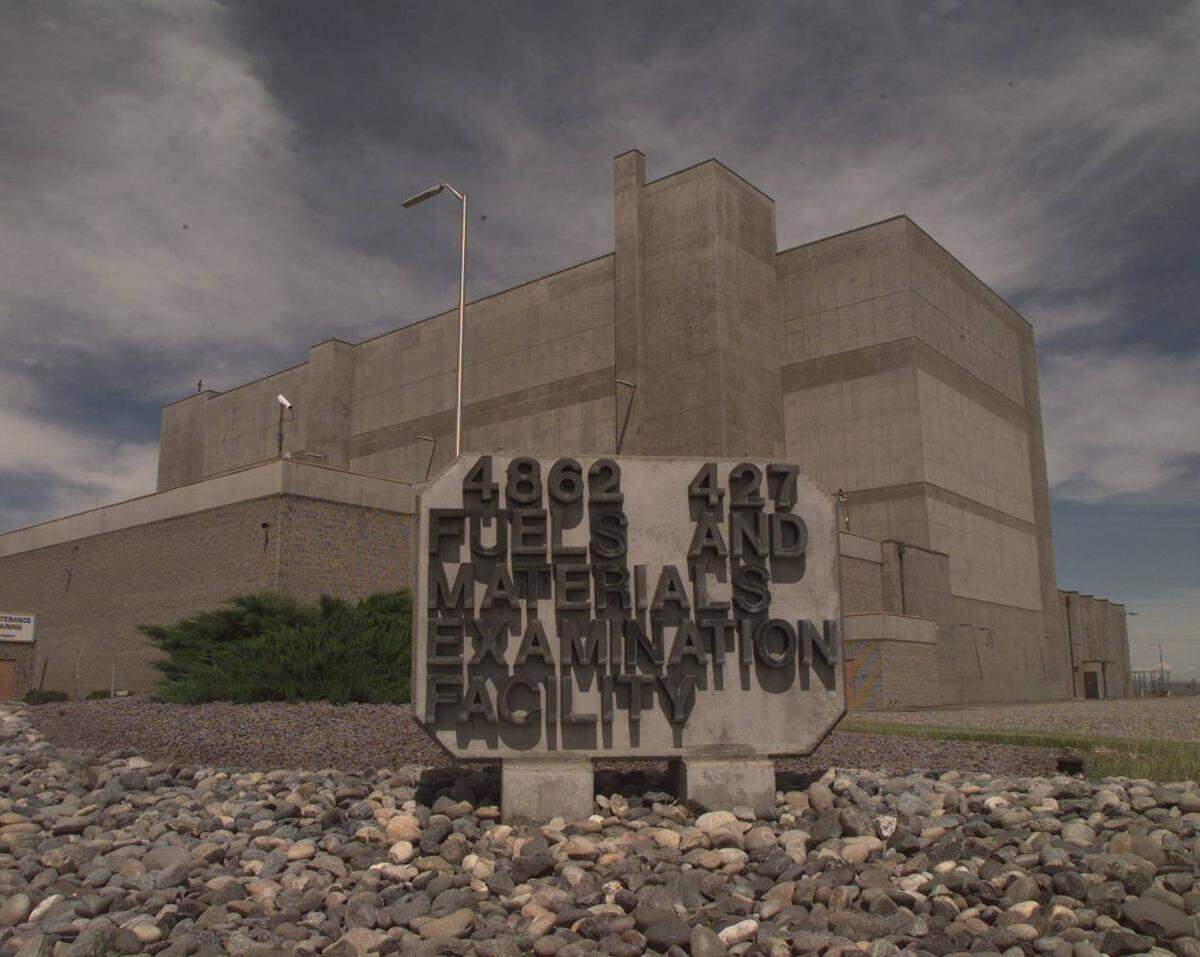
The Department of Energy announced Tuesday that it has formed a partnership with nuclear fuel company General Matter for the potential use of the Fuels and Materials Examination Facility (FMEF) at Hanford in Eastern Washington.
DOE said a lease agreement for the 190,000-square-foot, 98-feet-high building has been signed with General Matter.
“FMEF can be transformed into an asset to unleash American energy dominance and drive innovation, while building prosperity and vitality for the people of central Washington,” said Tim Walsh, the DOE assistant secretary for environmental management, in the DOE announcement.
He toured FMEF in November.
“Thanks to President Trump’s leadership, we are leveraging redevelopment projects to accelerate next-generation nuclear technology, lower energy costs and power the global AI (artificial intelligence) race,” he said.
Under the DOE lease, General Matter will conduct evaluations needed to assess returning FMEF to service, including characterization of the facility, potential facility upgrades and discussions with the Tri-Cities community.
Richland land purchase
Tuesday evening the Richland City Council also was scheduled to discuss General Matter’s interest in purchasing 425 acres over six years for the development of a uranium enrichment and nuclear oriented industrial campus.
Previously, the project has gone by the code name “Project Spin” in city discussions that first became public in December 2024.
Then the project was revealed as having the potential to employ 1,000 workers at its proposed campus in the Northwest Advanced Clean Energy Park.
DOE transferred about 1,600 acres of Hanford land north of Horn Rapids Road to the Tri-Cities community in 2015 for development through local government agencies and the Tri-City Development Council.
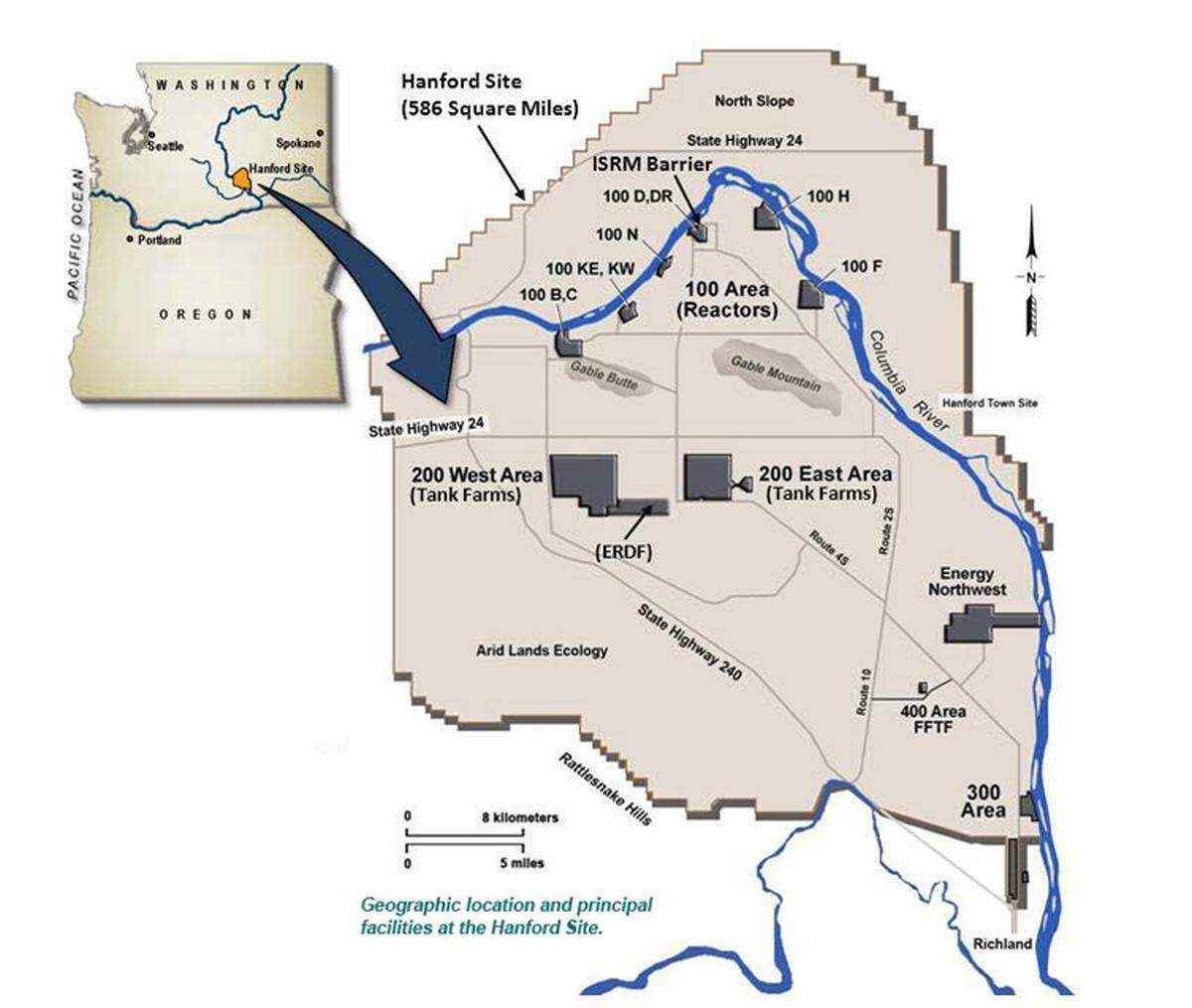
Hanford land, which now covers about 580 square miles, was seized in 1943 from a patchwork of private and government owners for the secret project to make plutonium for the atomic bomb dropped on Nagasaki, Japan.
The acreage, some of which borders Stevens Drive, that Richland is considering selling to General Matter was never used for nuclear work.
Tuesday evening the city of Richland was scheduled to consider an amendment to the city’s December 2024 real estate option agreement to allow additional time to perform due diligence and fix minor technical issues.
It said that the company it was working with, identified initially as “Washington Energy,” had demonstrated market viability by receiving a DOE task order valued at $900 million, which activated a purchase order under the name “General Matter,” to produce high-assay, low-enriched uranium, or HALEU.
HALEU fuel is needed for advanced nuclear power reactors, with DOE estimating a U.S. demand that could reach 55 tons — or 50 metric tons —of HALEU by 2035.
The nation’s current reactors use uranium fuel that is enriched up to 5%. HALEU is enriched between 5% and less than 20%, allowing smaller advanced reactor designs with better fuel utilization.
Richland city documents said Washington Energy is working to develop multiple HALEU production sites nationwide, and the Richland site has high potential to contribute significantly to its efforts.
Among General Matter plans is developing a uranium enrichment facility at DOE’s former Paducah Gaseous Diffusion Plant in Kentucky.
FMEF: ‘Big and bleak’
In DOE’s announcement about the FMEF lease Tuesday, it said that the DOE and General Matter partnership “holds great promise” to rebuild the United States’ nuclear fuel supply chain and help provide nuclear energy to meet the demand for affordable, reliable power needed for artificial intelligence.
The MIT Technology Review said that by 2028, AI could consume as much electricity annually as 22% of U.S. households.
“Activating FMEF for a modern mission reflects responsible stewardship and forward momentum for the site,” said Ray Geimer, DOE’s Hanford site manager.
Scott Nolan, the chief executive officer of California-based General Matter, said that “rebuilding America’s nuclear fuel capabilities is critical to strengthening our nuclear industrial base, reducing our reliance on foreign providers and lowering energy costs for utilities and consumers.”
FMEF remains cold and dark, without supporting a DOE mission since 1993, according to DOE.
The federal government and Tri-Cities economic development officials have been interested for decades in leasing the building.
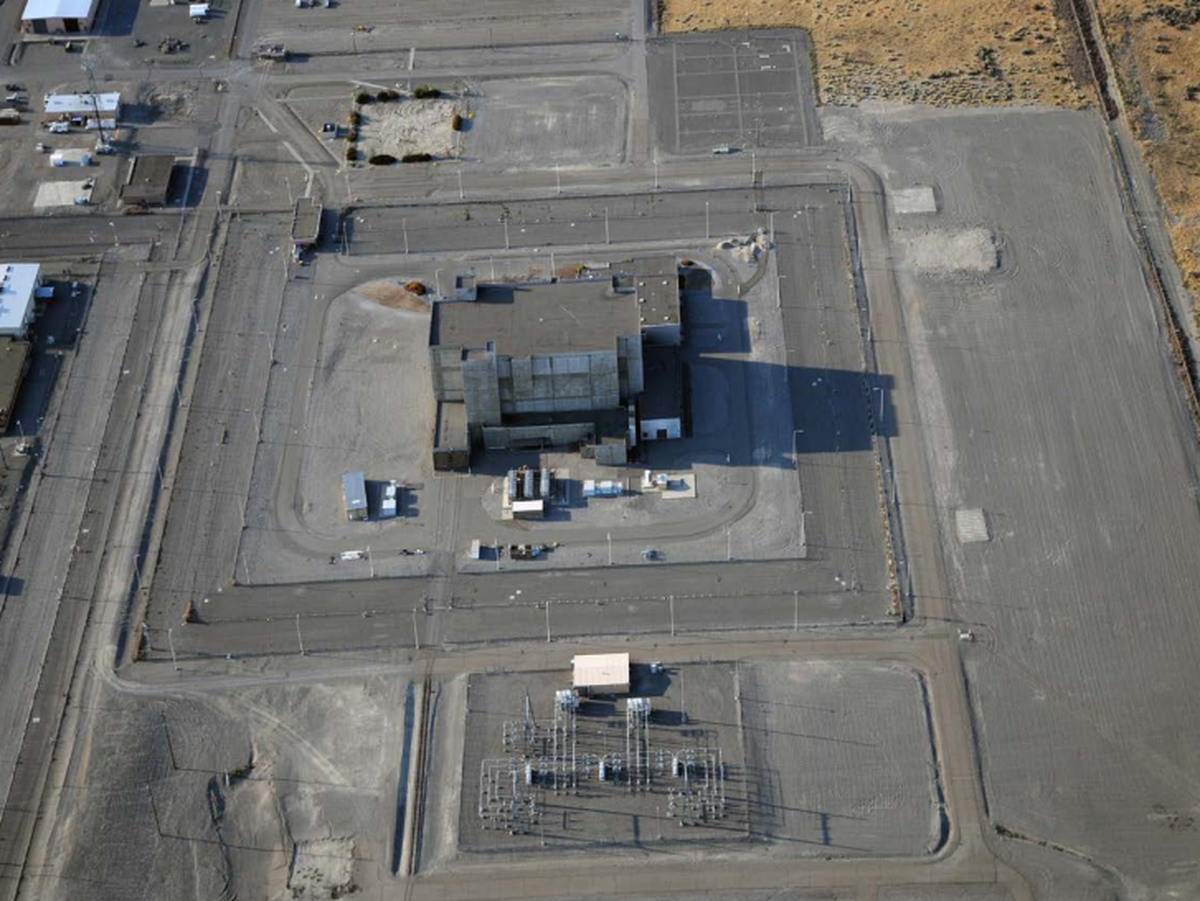
It is on Route 10 on the Hanford site near the Fast Flux Test Facility. It is just southeast of the LIGO Hanford observatory on the other side of Route 10 and just southwest of Energy Northwest’s Columbia Generating Station on the other side of Route 4 South.
FMEF was conceived in the mid-‘70s as a place to study and test fuels for the nation’s breeder reactor technology program, a program to make power and reactor fuel at the same time. But its mission was changed because of nuclear proliferation concerns.
The building had never been used when it was modified at a cost of $100 million to support the manufacture of fuel for the Fast Flux Test Facility, a Hanford research reactor, and the proposed Clinch River Breeder Reactor.
But by 1986 the breeder program was dead and $280 million had been spent on the hulking, gray building in the desert. Equipment costs raised the government’s expenses further.
One Hanford contractor official described the building in 2004 as “big and bleak,” both inside and out.
Each of its six floors has a 22-foot ceiling. It stands 98 feet above ground and extends 35 feet below ground.
It’s equipped with 14 hot cells for work on radioactive material, the largest of them measuring 40-by-50-by-100 feet. Work may be done in large manufacturing bays or a series of laboratories and other smaller rooms.
On-site turbines can make the facility’s own power, and it has the same capacity to withstand earthquakes as a commercial nuclear reactor.
Search for FMEF mission
Through the decades, different uses of FMEF have been considered. They included providing laboratory space for Pacific Northwest National Laboratory to store spent nuclear fuel and serving as a pilot plant for processing radioactive waste stored in underground tanks.
Some of the most unlikely interest in the building through the years has included repurposing it as a movie soundstage, a secure facility for the gemstone industry or an earthquake-proof, power failure-resistant repository for records.
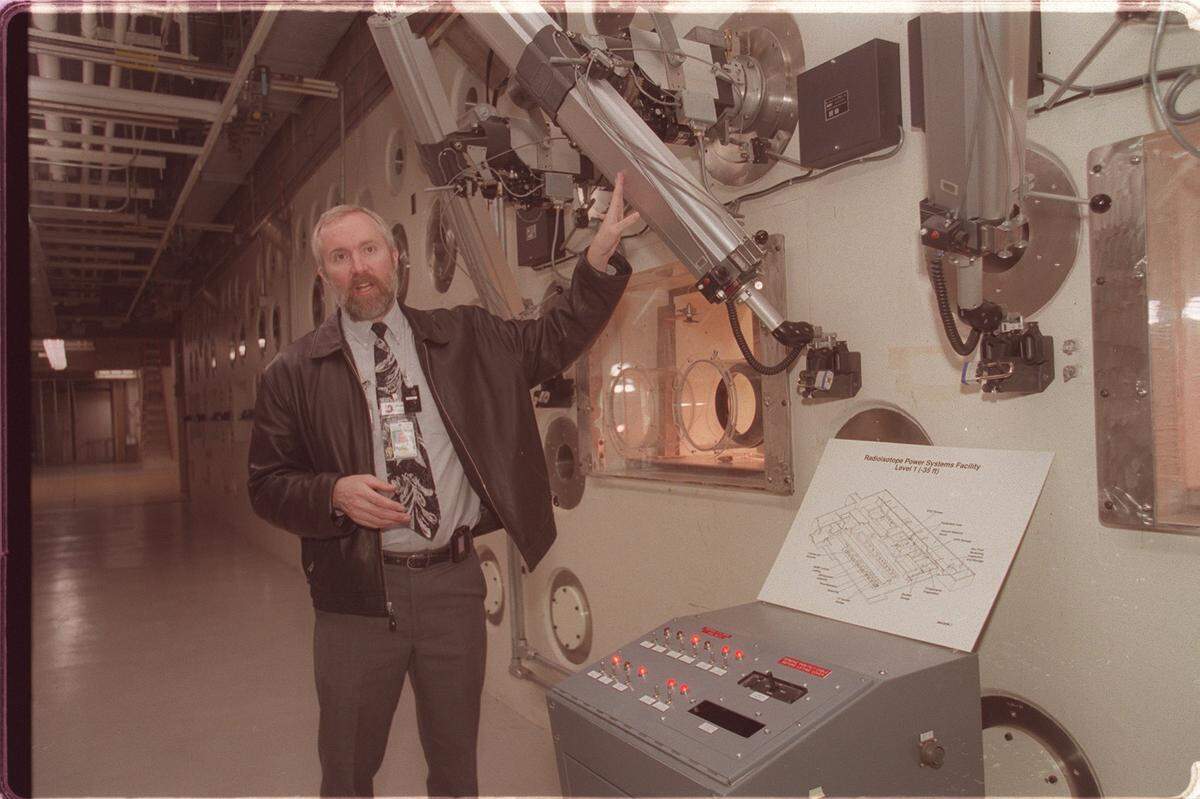
The project that looked most promising before the current General Matter lease was manufacturing plutonium-powered batteries for the nation’s deep space probes. It resulted in a $30 million investment in the plant.
But that project too was doomed after reactors producing plutonium 238 for the project shut down. The work eventually was sent to New Mexico.
As large projects were proposed, the building was used occasionally for the stray federal program.
Training courses were held there for Hanford operators needing to learn to use large cranes the building housed. Equipment was tested there. At one point, the Army held a training session there.
But mostly, like any extra space, it became a storage area for seldom-used equipment.
The lease announced Tuesday “puts an asset back to work for the American people and reinforces the department’s commitment to safe revitalization across the Hanford footprint,” Geimer said.
.
This story was originally published February 4, 2026 at 5:00 AM with the headline "Hulking, forgotten building at WA nuclear site could get new life shaping AI."