
First human case of rare bird flu reported in Washington state. Are you at risk?
After a Western Washington resident died of complications from a rare form of avian flu you may be wondering if you’re at risk of getting sick.
An older adult from Grays Harbor County died Friday, Nov. 21, while being treated for H5N5 bird flu, the Washington State Department of Health said in a news release.
The patient, who wasn’t named, “had been hospitalized in King County since early November,” health officials said, adding that they offer their “heartfelt condolences to the person’s family and friends.”
The person were hospitalized after developing “a high fever, confusion, and respiratory distress,” state health officials previously said.
It was the first-ever confirmed case of H5N5 involving a human globally, state health officials said.
What risks does H5N5 pose to the public? Are there ways to protect yourself?
Here’s what to know:
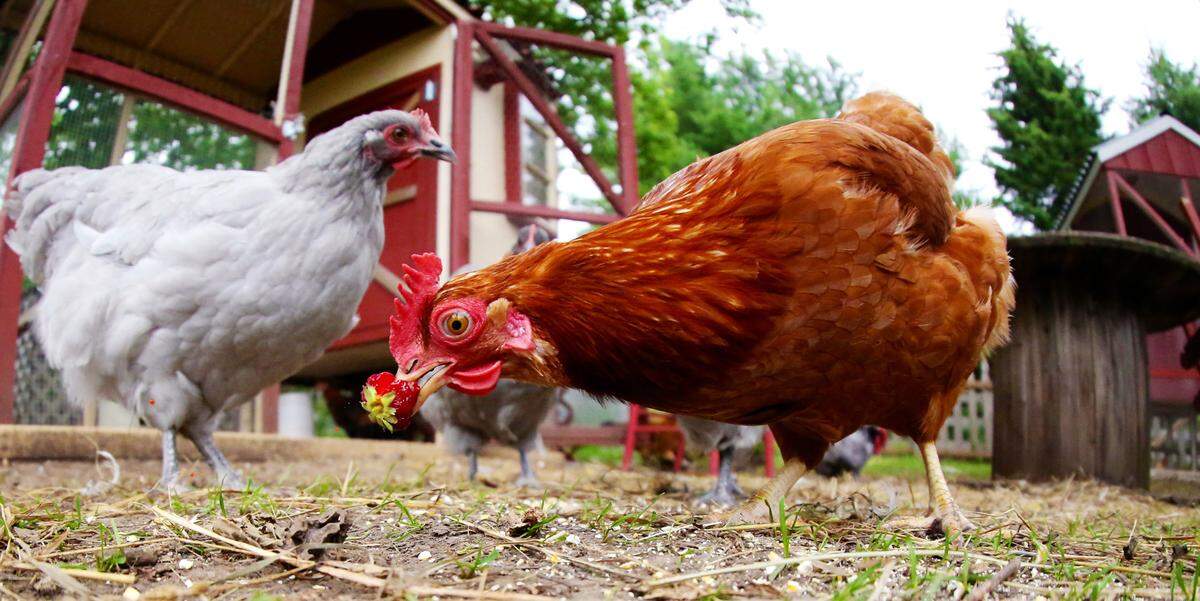
What is H5N5 strain of bird flu?
H5N5 is a strain of avian influenza, a “disease caused by influenza type A viruses,” Washington state health officials said in a Nov. 14 news release.
The viruses “naturally occur in wild aquatic birds around the world” and “can infect other bird species, and, occasionally mammals,” state health officials said, noting the viruses can make people sick “on rare occasions.”
Most human cases happen through exposure to an ill animal.
Is H5N5 the same as H5N1?
H5N5 is not the same as H5N1, a more common strain of highly pathogenic avian influenza.
The H5N1 strain “has caused outbreaks in poultry and dairy cows in the United States with several human cases identified,” according to the U.S. Centers for Disease Control and Prevention.
In January, health officials in Louisiana announced the death of a patient hospitalized with H5N1.
The person, who “was over the age of 65 and was reported to have underlying medical conditions,” became sick after being exposed to a backyard flock and wild birds, Louisiana health officials said at the time.
About 70 human cases of H5 bird flu have been confirmed in the United States since 2024, according to the CDC.
Most “have resulted in clinically mild illness,” the federal health agency said.
.jpg "hush-naidoo-jade-photography-yo01Z-9HQAw-unsplash (1).jpg")
What are common symptoms of bird flu?
Here are some common mild symptoms of bird flu, according to the CDC.
- Red/irritated eyes
- Fever
- Cough
- Sore throat
- Stuffed up or runny nose
- Aching muscles/body
- Headache
- Feeling tired
More severe symptoms can include a high fever, trouble breathing, “altered consciousness” and seizures, the CDC said.
Am I at risk of contracting H5N5?
Health officials said the general public’s risk of getting infected with bird flu, including H5N5, is low.
The Grays Harbor County patient “had a backyard flock of mixed domestic birds” and “testing identified avian influenza virus in the environment of the flock, making exposure to the domestic poultry, their environment, or wild birds the most likely source of exposure for this patient,” the Washington State Department of Health said in the Nov. 21 release.
“No other people involved have tested positive for avian influenza,” state health officials said.
State health officials said they’ll “continue to monitor anyone who was in close contact with the patient for symptoms to ensure that human-to-human spread has not occurred. There is no evidence of transmission of this virus between people.”
An infectious disease expert told Newsweek that H5N5 infection “likely is a rare one-off event.”
Dr. William Schaffner, a Vanderbilt University School of Medicine professor, told Newsweek that it likely doesn’t “have widespread implications for the general public.”
How can I protect myself from bird flu?
“People who work with or have recreational contact with infected birds, cattle, or other potentially infected domestic or wild animals, are at higher risk and should take precautions,” state health officials said.
That includes wearing gloves, masks and other personal protective equipment, according to state health officials.
Here are other safety tips from state health officials:
- If you have backyard poultry, stay away ill/dead birds and report sick birds
- Stay away from ill/dead wildlife, and report sick, hurt or dead wildlife
- Don’t touch or let your pets near dead wildlife, including birds
- Don’t eat raw or undercooked products, including raw milk, and don’t let your pets have them.
Who should get a flu vaccine?
Health officials also recommend everyone 6 months and older get a seasonal flu vaccine.
While the vaccine doesn’t prevent bird flu, it lessens “the risk of becoming sick with both human and avian influenza viruses at the same time,” according to state health officials.
“Though unlikely, infection with both viruses could result in the emergence of an avian influenza virus that is more easily transmitted from person to person,” state health officials said.
This story was originally published November 20, 2025 at 7:55 AM with the headline "First human case of rare bird flu reported in Washington state. Are you at risk?."
.JPG)