
Can I keep a pet squirrel or python in WA? State rules for wild, exotic animals
When it comes to pet ownership, many animal lovers look beyond cats and dogs.
Some pet owners prefer snakes and lizards, while others like cuddling up with rodents and rabbits.
That’s led to some confusion for those interested in owning more unconventional pets while living in Washington state.
“Can I have a squirrel as a pet in Washington?” one reader asked McClatchy’s Northwest service journalism team in March.
Other readers have asked whether they’re allowed to own ball pythons, ocelots, otters and even giant anteaters.
Here’s which wild and exotic animals are legal — and illegal — to keep as pets in Washington state:
.png "Screenshot (115).png")
What animals are banned as pets in the US?
Under federal law, it’s illegal to own any endangered species as a pet.
“More than 47,000 species are threatened with extinction” across the planet, the International Union for Conservation of Nature said on its website.
The group’s Red List is a searchable database of species across the globe and their statuses.
The Washington State Department of Fish and Wildlife tracks which species are considered at-risk and protected under state law, including certain monkeys, ocelots and otters.
Can I take home wild animals in Washington state?
Washington state law states you cannot take home wild animals without a state-issued rehabilitation permit or federal license, depending on the species.
“We ask people in general not to touch or handle wild animals for the safety of both the animal and the human, and to let professionals handle sick or injured wildlife issues,” Washington State Department of Fish and Wildlife Capt. Bob Weaver told McClatchy.
If you find a wild animal that appears to need help, you shouldn’t try to take of it yourself.
Instead, you should contact your local Washington Fish and Wildlife Department office.
It may also be illegal to transport the animal, depending on the species, so check before putting any wild animal in your vehicle.
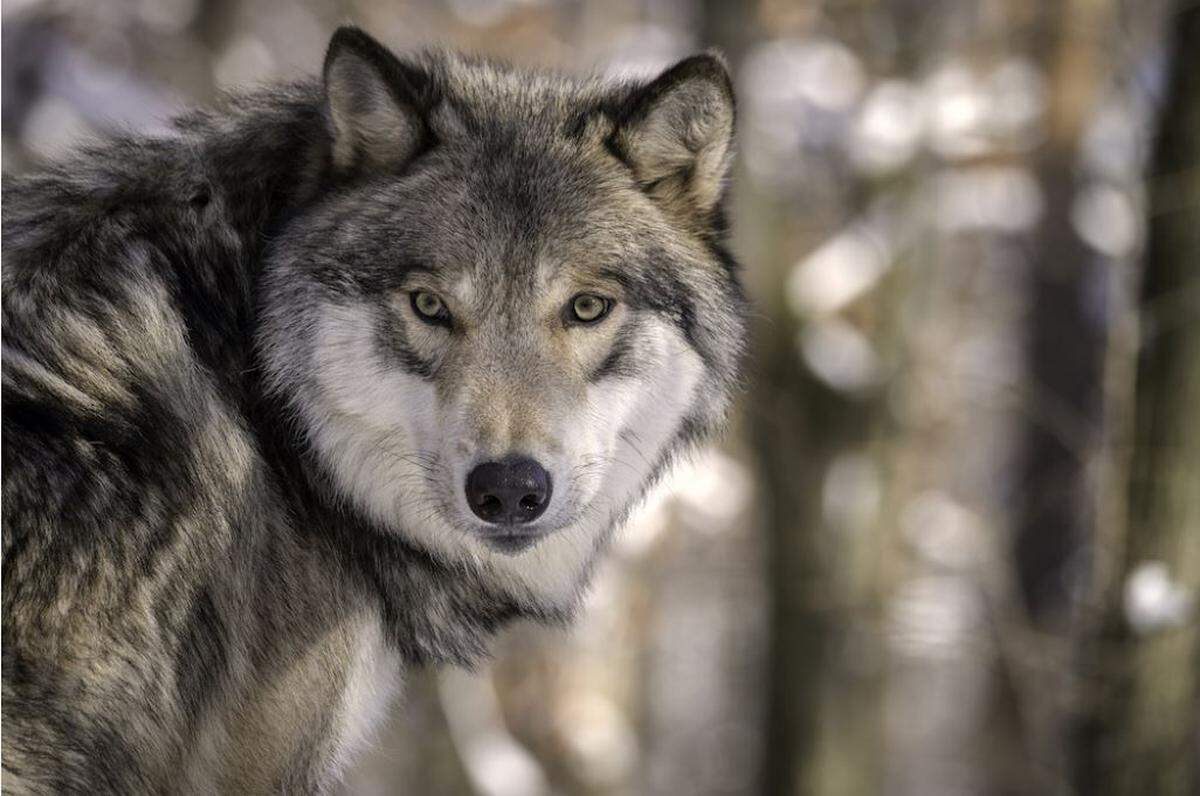
Which animals are considered ‘dangerous’ under state law?
“Dangerous wild animals” cannot be owned as pets in Washington state. These include animals raised in captivity as well as those captured in the field.
Washington’s Revised Code specifies which wild animals are considered “potentially dangerous.”
Under state law, potentially dangerous mammals include:
- Felines including lions, tigers, leopards, cheetahs and captive-bred cougars
- Wolves, except hybrids
- Bears
- Hyenas
- Rhinoceroses
- All nonhuman primates including monkeys, apes and lemurs
- Elephants
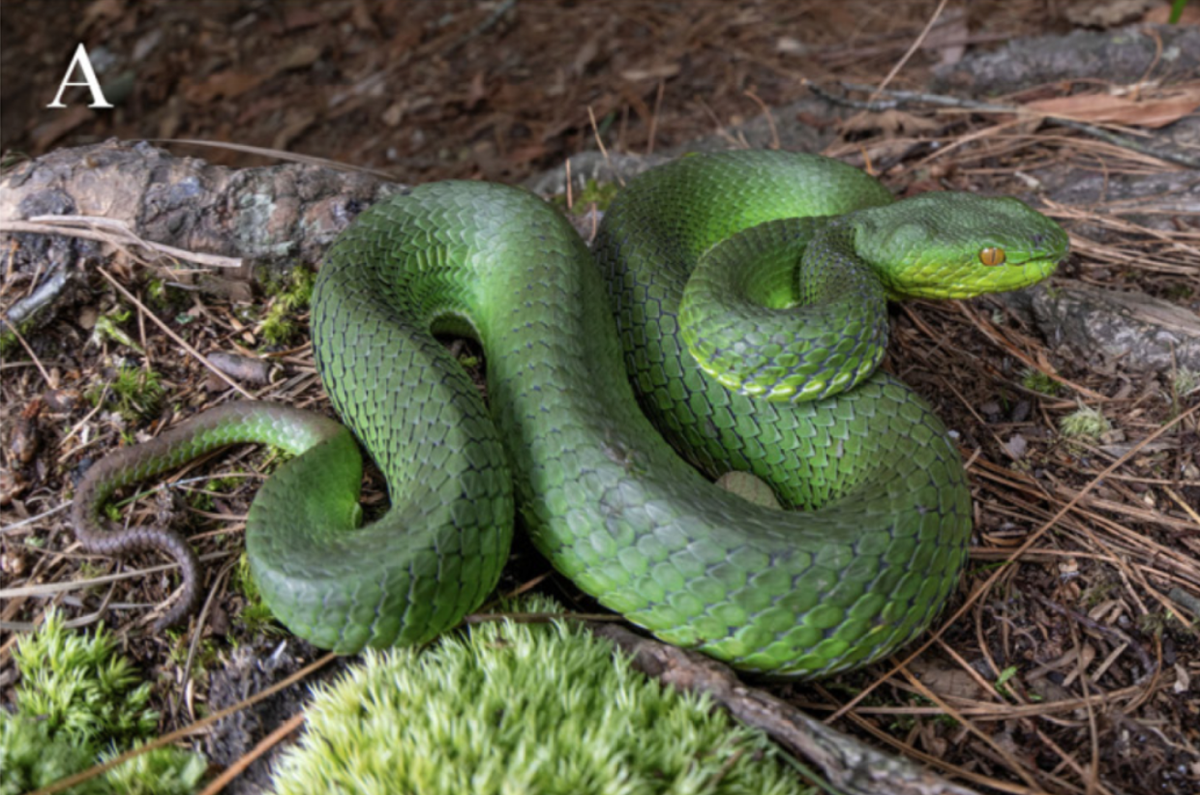
Potentially dangerous reptiles include
- Snakes in the atractaspididae family, including stiletto snakes
- Boomslang snakes
- Snakes in the elapidae family, including cobras, mambas and kraits
- Sea snakes
- Water and crocodile monitors
- Vipers, including rattlesnakes, cottonmouths and puff adders
- Crocodiles, alligators and caimans
Washington state says you can have these species as pets if you legally owned them before 2007, when the legislation was updated.
In that case, you’re allowed to keep the animal for the rest of its life.
Permits for some species may be issued for organizations, including zoos, veterinary hospitals and wildlife sanctuaries, as well as qualified individuals such as law enforcement officers.
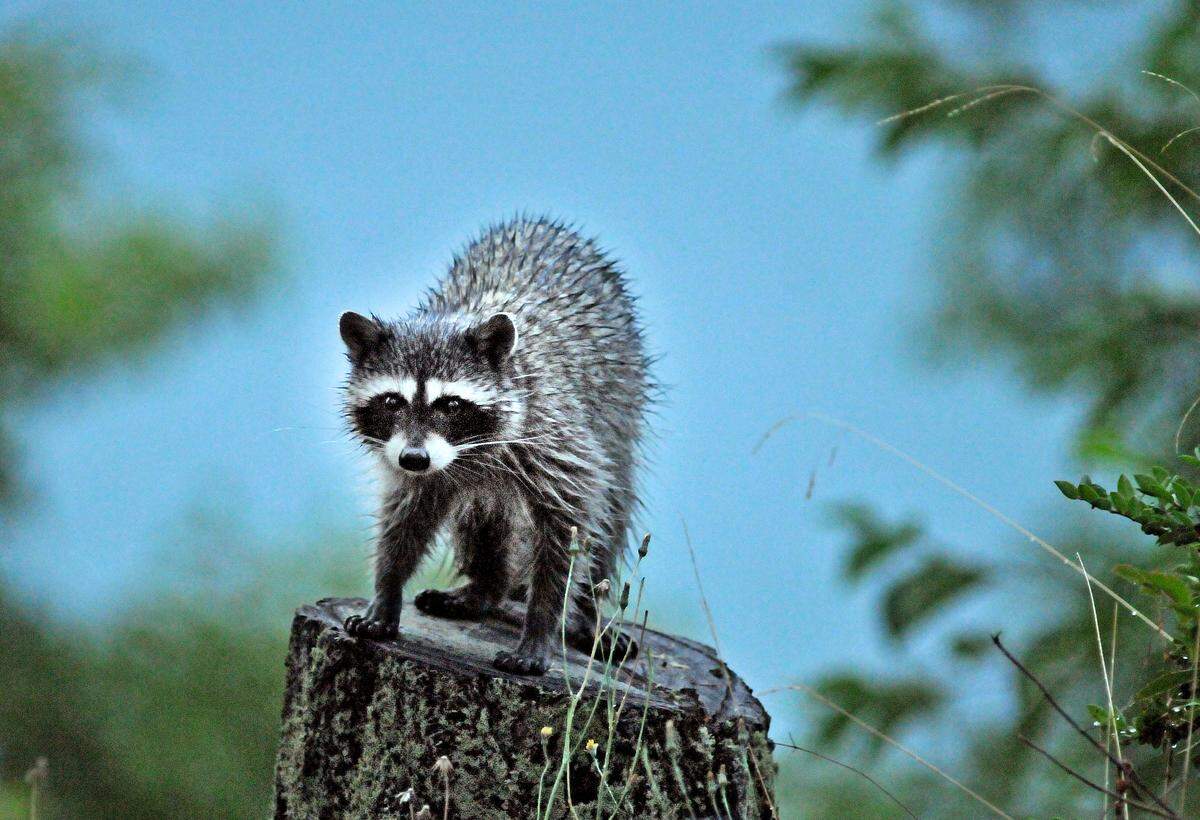
Can I keep a skunk as a pet in Washington? A raccoon?
Under Washington state law, it’s illegal to own animals that pose a risk of rabies infection.
This includes bats, skunks, foxes, raccoon and coyotes.
This rule is intended to “protect the public from rabies, a deadly disease,” the Revised Code of Washington says.
Are exotic animals legal to own as pets in Washington?
Washington state law bans people from owning “deleterious exotic wildlife” — non-native animals that can cause damage to the local environment or native wildlife.
These include:
- Mute swans
- Mongoose
- Wild boar and javelinas
- Bovids including ibexes, chamois, Barbary sheep and wildebeests
- Goats except for domestic goats
- Sheep except for domestic sheep
- Cervids incuding non-native red deer, fallow deer, axis deer, rusa deer, sambar deer and roe deer
- North American elk hybrids
- Reindeer
Are there exceptions for Washington’s wild animal rules?
For people interested in owning wild or exotic animals in Washington state, very few exceptions are in place.
You need a permit and a certificate of veterinary inspection to bring exotic or wild animals into “approved faclities,” according to the Washington State Department of Agriculture. Depending on the species, negative test results may be needed as well.
“Exhibitors must be federally licensed to exhibit wild animals,” the state Agriculture Department said.
You can also get a wildlife rehabilitation permit. allowing you to care for injured, sick, orphaned or abandoned wild animals until they can be released back into the wild, according to the state Fish and Wildlife Department.
According to the state agency, requirements to get a wildlife rehabilitation permit including logging at least six months or 1,000 of experience working with a permitted wildlife rehabilitator, as well as enlisting a veterinarian as a sponsor, passing a written exam and building appropriate housing and care enclosures.
Can I legally keep a pet squirrel in Washington? A chipmunk?
Each time McClatchy publishes information about legal pets in Washington state, readers write in with questions on specific animals they’d like to own.
For instance, readers have asked keeping ball pythons, frilled lizards and Savannah monitors as pets.
All three types of reptiles are legal in Washington state, but frilled lizards require proper licensing.
However, the following species are not allowed as pets in the Evergreen State due to the reasons listed below:
- Chipmunk: Not from the wild.
- Blue electric gecko: Critically endangered species.
- Wild rabbits: Wild animals cannot be taken home.
- Various monkeys: Nonhuman primates are not legal to own in Washington.
- Ocelot: Federally protected.
- Otter: Different species are protected federally and statewide.
- Goat: Not unless it is domestic
- Snapping turtle: Considered invasive in Washington and prohibited.
- Jerboa: Illegal to own in the United States due to mpox risk.
- Pigeon: Not from the wild
- Squirrel: Not from the wild
- Quail: Only coturnix quail which are allowed.
“Before people invest in a new pet, or bring one home from the woods or a local water body (if permitted), we also encourage them to use the Washington Invasive Species Council website to check to make sure the animal or species they are dealing with is not invasive,” Weaver said.
Weaver noted that any exotic or wild animal legally obtained outside of Washington state must get veterinary inspections and a Washington State Department of Agriculture permit before being imported into the state.
What are the penalties for owning illegal pets?
Unlawfully taking protected wildlife is a misdemeanor in Washington state, with fines ranging from $500 to $1,000, according to the state Bail Schedule.
If your ownership of illegal wildlife results in the animal’s death, you could be fined an additional $2,000 to $12,000, according to the Revised Code of Washington.
This story was originally published October 1, 2025 at 5:00 AM with the headline "Can I keep a pet squirrel or python in WA? State rules for wild, exotic animals."