
It’s the first day of fall. Here’s how much daylight WA will lose this season
Fall has officially started.
Washington state will start seeing shorter days and colder weather as we approach the end of daylight saving time and the winter solstice.
How much daylight will we lose as the autumn season begins?
Here’s what to know:
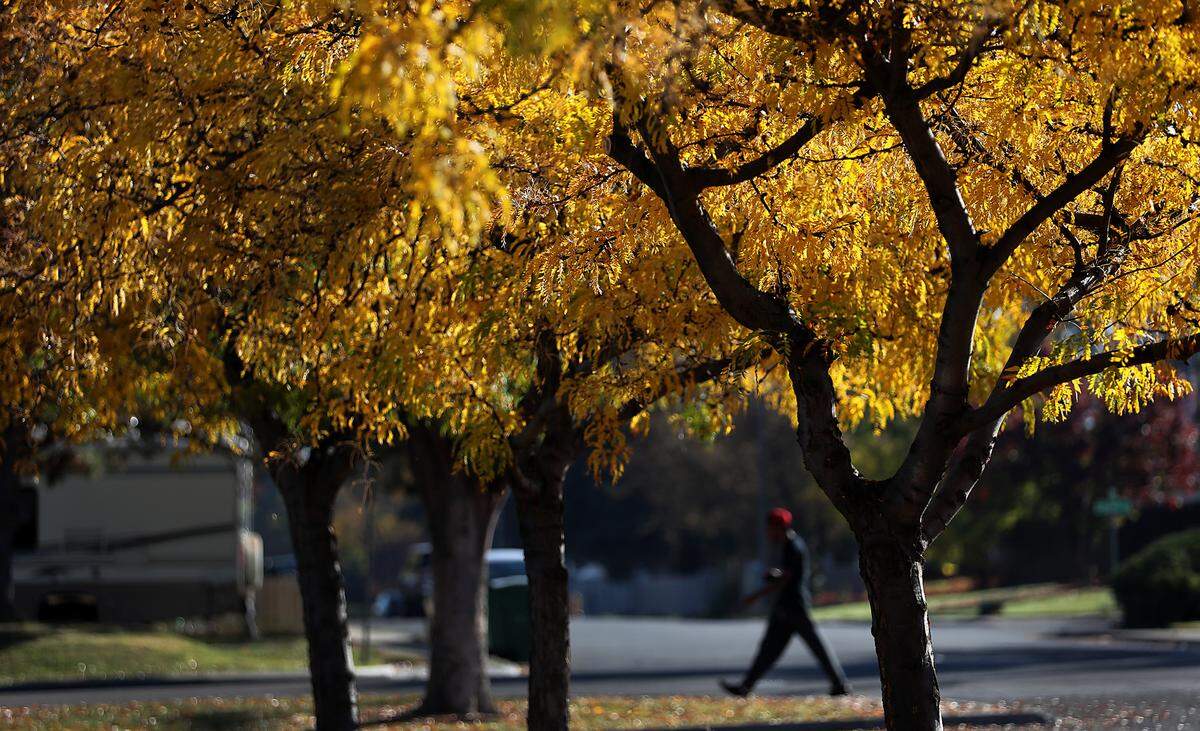
When is the first day of fall in 2025?
The autumn equinox marks the first day of fall.
In 2025, the fall equinox landed on Monday, Sept. 22.
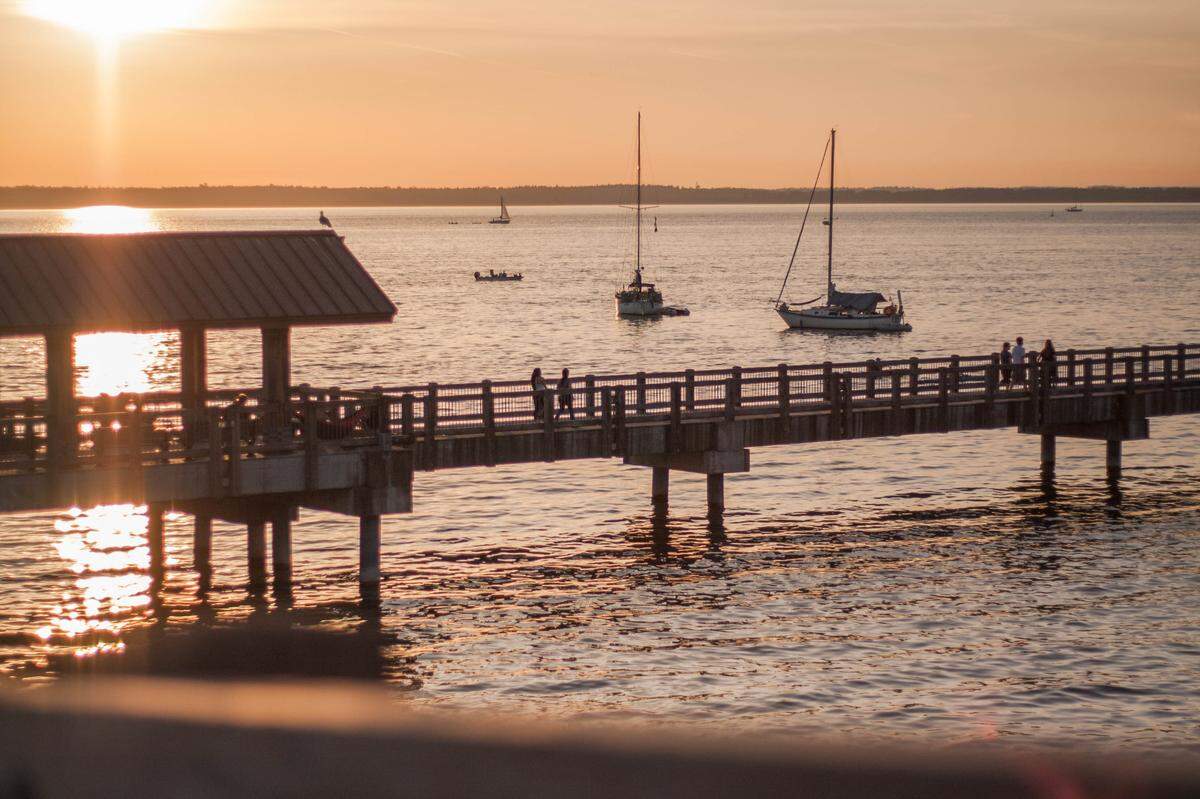
What is an equinox?
Due to the Earth’s tilted axis, the sun normally “illuminates the Northern or Southern hemisphere more” depending on where our planet is along its orbit, according to Royal Museums Greenwich.
During an equinox, the sun shines right over the equator, NASA said, resulting in roughly equal amounts of sunlight in both hemispheres.
“Equinoxes ... are the only times of the year when the Earth’s North and South Poles are simultaneously lit by sunlight,” astronomer Kat Troche wrote on NASA.com.
What does the word ‘equinox’ mean?
The word “equinox” comes from the Latin and means “equal night,” NASA explained.
This is because the entire planet gets nearly the same amount of daylight on the spring and fall equinoxes.

What time will the sun rise and fall on fall equinox?
On Monday, the sun rose just after 6:55 a.m. and will set at 7:06 p.m. in much of western Washington, including Bellingham, Tacoma and Seattle.
Sunset will occur at 7:08 p.m. in Olympia and 6:53 p.m. in Tri-Cities.
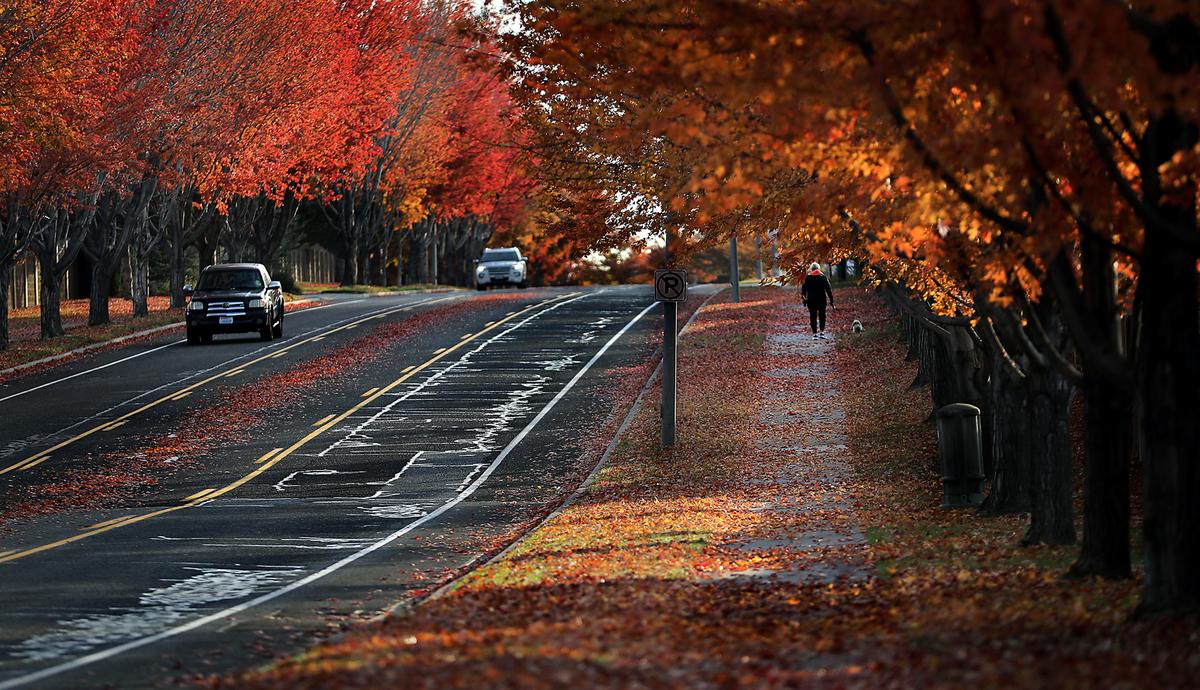
How quickly will Washington lose daylight?
The rate at which Washington loses daylight speeds up as time goes on — peaking in the days around the fall equinox.
Olympia will lose three minutes and 20 seconds of daylight each day through Wednesday, Oct. 1, according to Time and Date.
Tacoma resident will lose three minutes and 22 seconds between Tuesday, Sept. 23, and Friday, Sept. 26.
Bellingham, which is near the northern edge of the state, will lose daylight at an even faster pace — dropping three minutes and 33 seconds on Thursday, Sept. 25.
Western Washington will lose a little more than three minutes of sunlight a day throughout October and into early November, with the sun setting just before 6 p.m. by late October.
Daylight saving time ends on Sunday, Nov. 2, shifting clocks back by an hour.
That means the sun will start setting before 5 p.m. in the Puget Sound region and around 4:45 p.m. in Bellingham, according to Time and Date.
In Tri-Cities, daylight loss will peak at three minutes and 14 seconds of sunlight each day through Thursday, Oct. 2.
By the end of October, sunsets in Tri-Cities will come before 5:45 p.m.
The clock change will push them to 4:40 p.m. in early November.
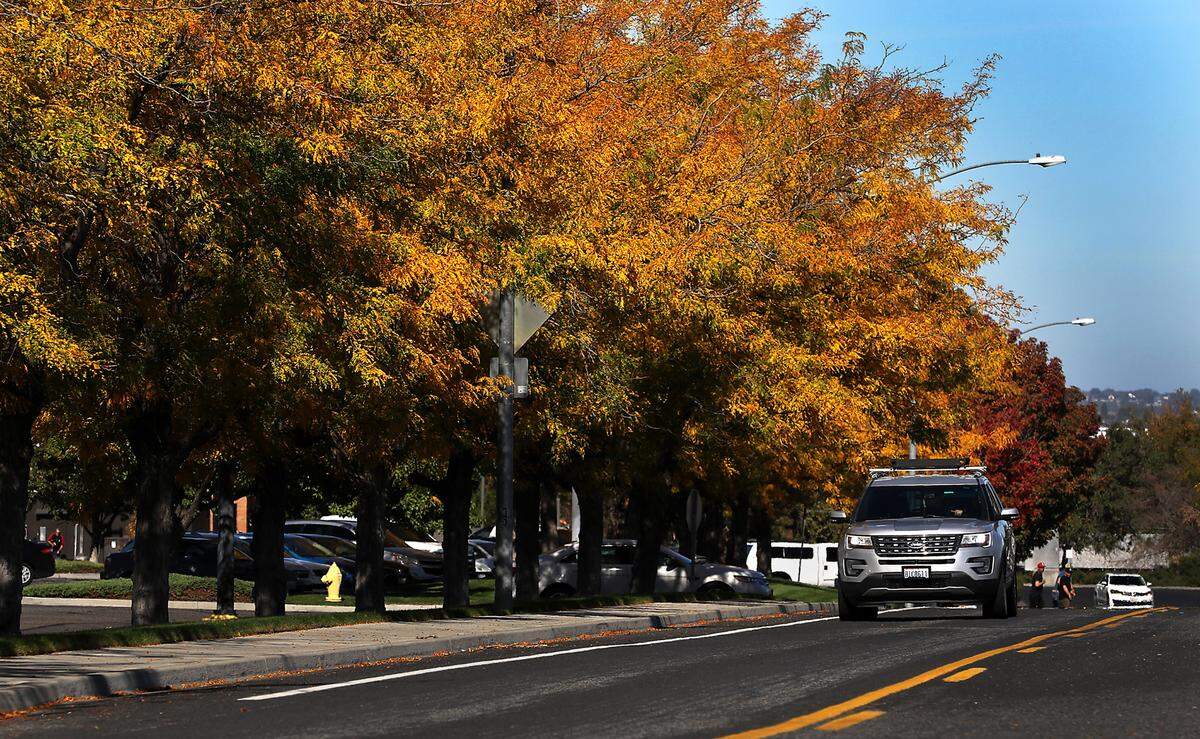
What’s the fall weather forecast for Washington?
What is the fall weather forecast for Washington?
According to the National Weather Service’s three-month outlook, Washington will experience warmer-than-average temperatures in September, October and November.
Western Washington is expected to above-average rainfall during that time frame, while the eastern part of the state has an equal chance of above- and below-average rainfall, the weather service predicted.
The Old Farmer’s Almanac had a similar fall forecast for the state.
Western Washington will see “warm, wet” weather in the fall, the almanac said, while eastern Washington will experience “warm, dry” conditions.
In the Pacific Northwest as a whole, “September and October will be warmer and wetter than normal overall,” the Old Farmer’s Almanac said.
This story was originally published September 13, 2025 at 5:00 AM with the headline "It’s the first day of fall. Here’s how much daylight WA will lose this season."