WA reports case of dangerous mosquito-borne disease. Know the symptoms
After a Pierce County woman was diagnosed with malaria, Washington residents might be wondering about their risks of getting the deadly disease — and how to prevent the mosquitos that spread it.
The Tacoma-Pierce County Health Department is investigating the case, which could be Washington’s first locally transmitted case of malaria.
The east Pierce County resident, who had not been traveling, was diagnosed with the disease Aug. 2, the agency announced Aug. 6.
Officials say the risk to the general public is low.
Here’s what to know about it and the mosquitos that carry it.

What is malaria? What are common symptoms?
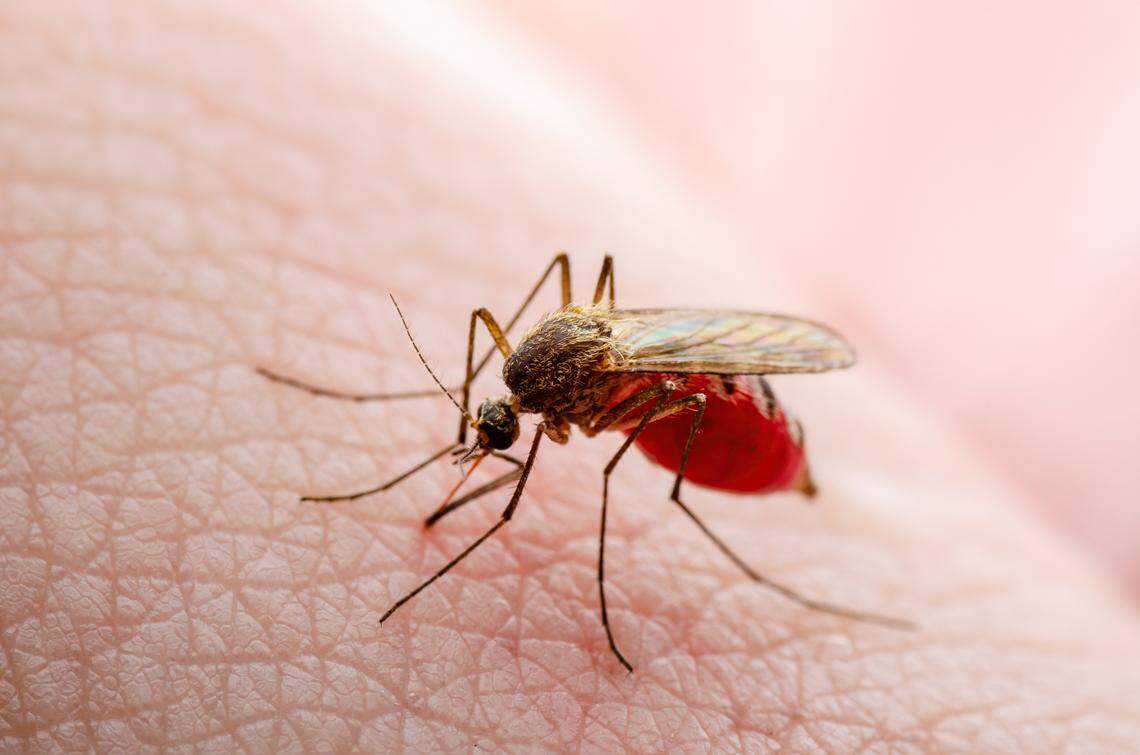
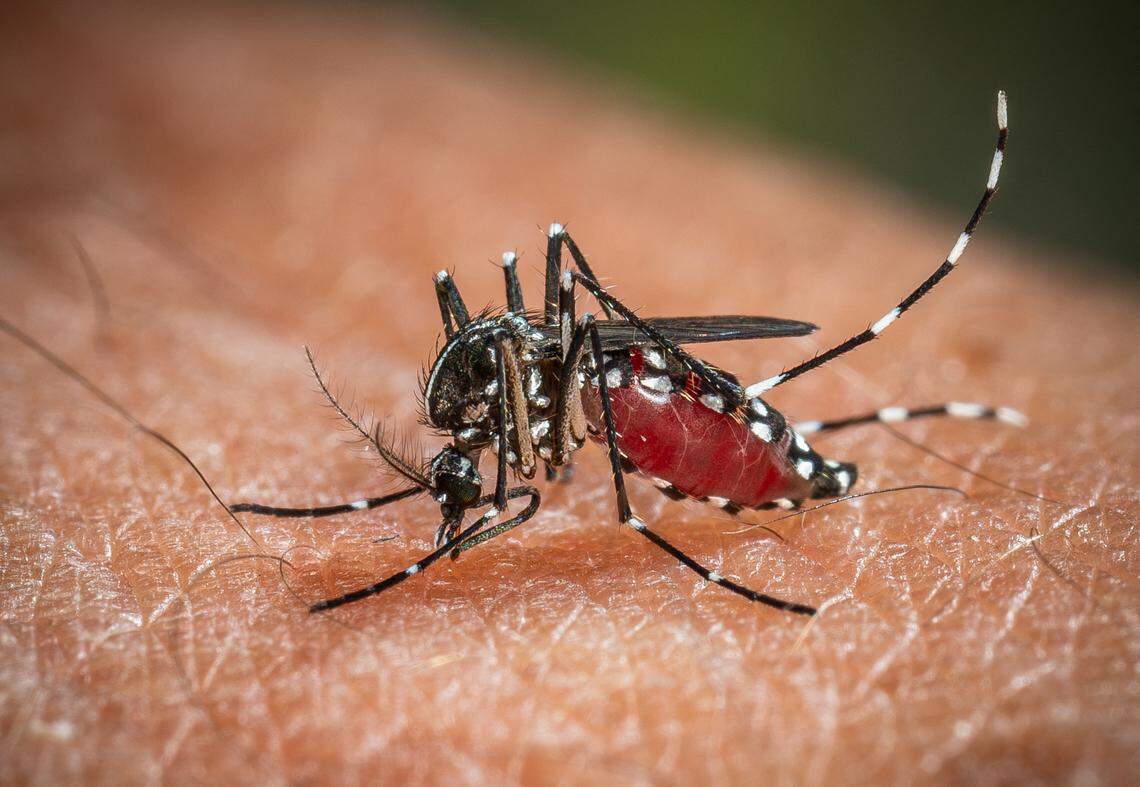
Malaria, a “serious disease” that can result in severe illness or death, is “caused by a parasite that infects a certain type of mosquito,” according to the federal Centers for Disease Control and Prevention.
“Most people get malaria from the bite of an infective mosquito,” the federal health agency aid.
According to the CDC, common malaria symptoms can include:
- Fever and flu-like illness
- Chills
- Headache, muscle aches and tiredness
- Nausea, vomiting and diarrhea
More serious symptoms can include kidney failure, seizures and even comas, the CDC said.
How common is malaria in Washington?
Each year, the United States reports approximately 2,000 cases of malaria, with about seven people dying as a result of the disease annually, according to the CDC.
“Most of these cases are in people who contract malaria while traveling to another country where malaria spreads and return to the U.S.,” the federal health agency said.
The state of Washington typically sees 20 to 70 reported malaria cases per year involving “tourists, military personnel, business travelers, mission workers, immigrants and refugees,” according to the Washington Department of Health.
“The risk of getting infected with malaria in Pierce County remains very low,” Dr. James Miller, Tacoma-Pierce County Health Officer, said in a statement.
Tips to prevent malaria
If you’re traveling to an area where malaria spreads, the CDC says you should talk with your health care provider about medications you can take to prevent the disease.
In general, you should “avoid areas with high mosquito activity, especially during late evening and at night,” the CDC said.
That’s when Anopheles mosquitoes — the insect species that spreads malaria — tend to bite, the federal agency said.
Is malaria treatable?
According to federal health officials, prescription drugs can treat — and even cure — malaria.
The types of drugs you take and how long treatment lasts depends on the kind of malaria you have, where you were infected and how sick you were when treatment began, the CDC said, as well as your age and whether you’re pregnant.
“Starting treatment as soon as possible can often prevent severe illness and death,” the CDC said.
How to keep mosquitos away and avoid being bitten
You should also “take steps to remove and reduce the places that mosquitos live and breed around your home,” the Benton-Franklin Health District said.
Follow these tips from the health district to keep mosquitos away:
- Empty anything that holds standing water, including birdbaths, buckets, planters and pools.
- Cover water sources or change water at least twice per week.
- Make sure roof gutters drain properly and clean clogged gutters.
- Fix leaky outdoor faucets and sprinklers.
Here’s how to avoid being bitten by mosquitos, according to the CDC and Benton-Franklin Health District:
- Use a bug spray approved by the U.S. Environmental Protection Agency.
- Wear loose-fitting, long-sleeved shirts and pants and socks.
- Keep windows and doors closed or covered with screens to keep mosquitos out of your house.
- Repair broken screens on windows, doors, porches and patios.
- Stay indoors at dawn and dusk when mosquitos are most active.
This story was originally published August 6, 2025 at 2:21 PM with the headline "WA reports case of dangerous mosquito-borne disease. Know the symptoms."