
Feds ask more workers overseeing Eastern WA nuclear cleanup, others to sign up for layoffs
The Department of Energy is looking for more employees willing to volunteer for layoffs in exchange for paid administrative leave through September or December, according to a notice to DOE staff obtained by Energy Communities Alliance.
Other agencies receiving the same offer ranged from the U.S. Department of Agriculture, according to USA Today, to the Department of Defense civilian employees, according to FEDweek.
The offer comes as more federal staff cuts are possible.
Brian Vance, the Hanford DOE manager who recently submitted his resignation, indicated at a Feb. 26 Tri-City Regional Chamber of Commerce meeting that he expected further staff cuts.
DOE had about 300 employees overseeing work done mostly by its contractors and subcontractors at the Hanford nuclear site in Eastern Washington before losing about 50 employees to firings and voluntary layoffs, Vance said at the chamber meeting.
A few of those employees may be back at work after a federal judge in California ordered DOE to reinstate “probationary” employees, whose employment was on probation — usually for a year, but sometimes two years or longer — after being hired or promoted at federal agencies.
Energy Communities Alliance said in a newsletter to members that the notice circulated to DOE staff Monday said that Trump’s executive order in February requires each agency “to contemplate its future state and the potential impacts of a RIF (reduction in force). This is a difficult but necessary effort to make government more efficient and accountable.”
The Energy Communities Alliance is a nonprofit made up of local governments and communities adjacent to or impacted by DOE activities, including Tri-Cities area governments by the Hanford site.
Volunteering for a job cut could give the employee the time to plan while they are still being paid ahead of “potential involuntary separations,” the alliance said, quoting from the notice to employees.
Agency heads were given a deadline of March 13 to develop reduction-in-force and reorganization plans. The federal government considers those plans exempt from public release because they are “pre-decisional” or documents prepared to lead to a decision and the Tri-City Herald has not obtained a copy.
The deadline for applying for what Trump called voluntary “deferred resignations” had initially been set as Feb. 6 but now has been extended to April 8. Employees eligible for retirement would receive pay through the end of December and other employees approved for the voluntary layoffs would be paid through the end of the fiscal year in September.
Hanford site contractors
Hanford is unusual in the federal government because most work is contracted out.
DOE workers are responsible for negotiating with regulators to agree on the environmental cleanup work that must be done, the standards that must be met and the schedule for completing work.
They oversee contractor work to ensure it is done safely and correctly and that it meets the extensive regulatory requirements set by state and federal governments.
However, the U.S. Office of Management and Budget and U.S. Office of Personnel Management said in the memo that set the March 13 deadline for reorganization plans that agencies should “maximally reduce the use of outside consultants and contractors.”
However, the memo also emphasized that the agency focus should be on eliminating work that is not legally required “while driving the highest quality, most efficient delivery of their statutorily required functions.”
Much of Hanford work being done by contractor employees is legally mandated. It is guided by the legally binding Tri-Party Agreement and a consent decree enforced by the federal court.
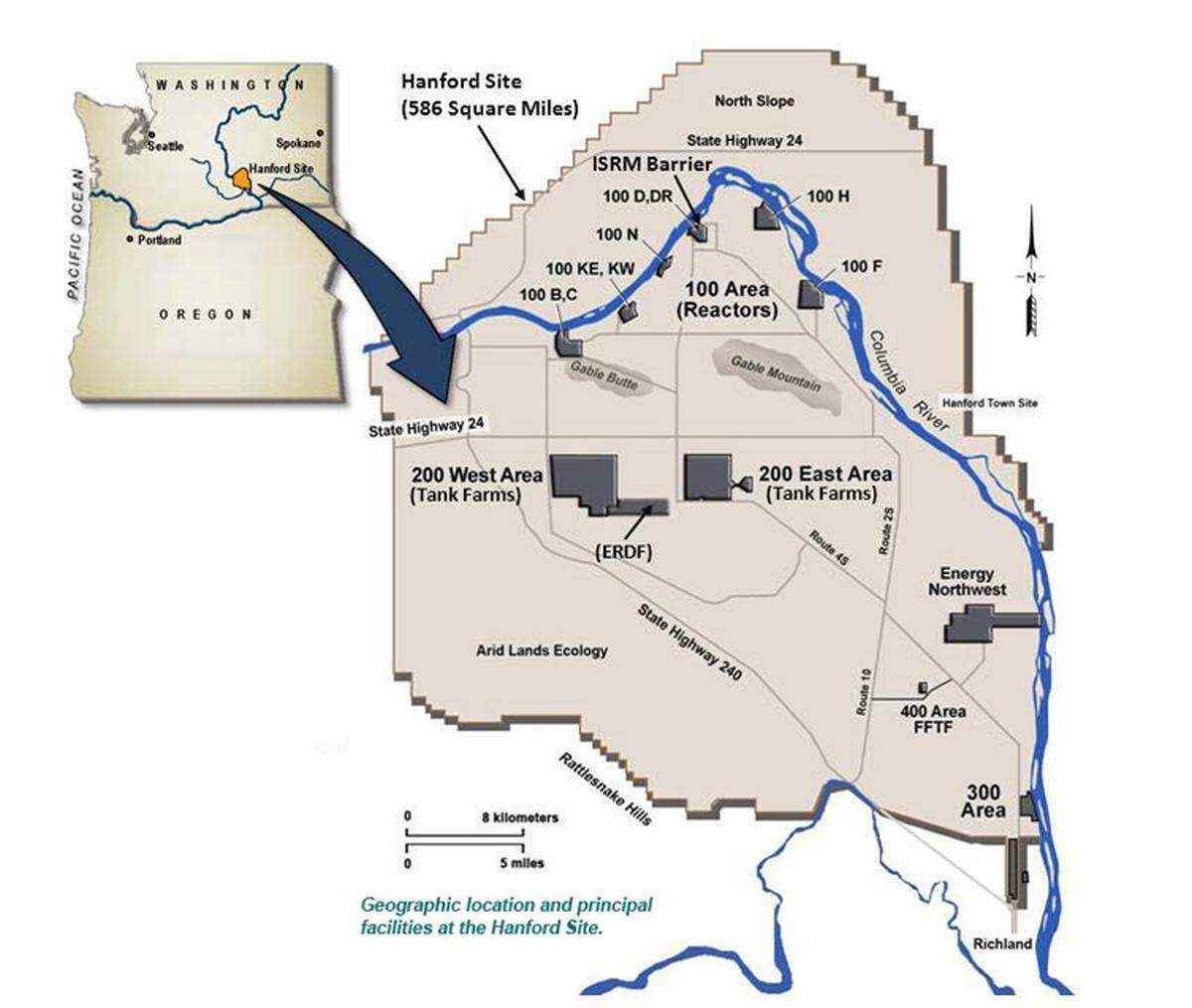
The environmental cleanup work at the nuclear reservation now employees about 13,000, most of them contractor and subcontractor employees. Hanford, as an enterprise with multiple private contractors, is the largest employer in the Tri-Cities.
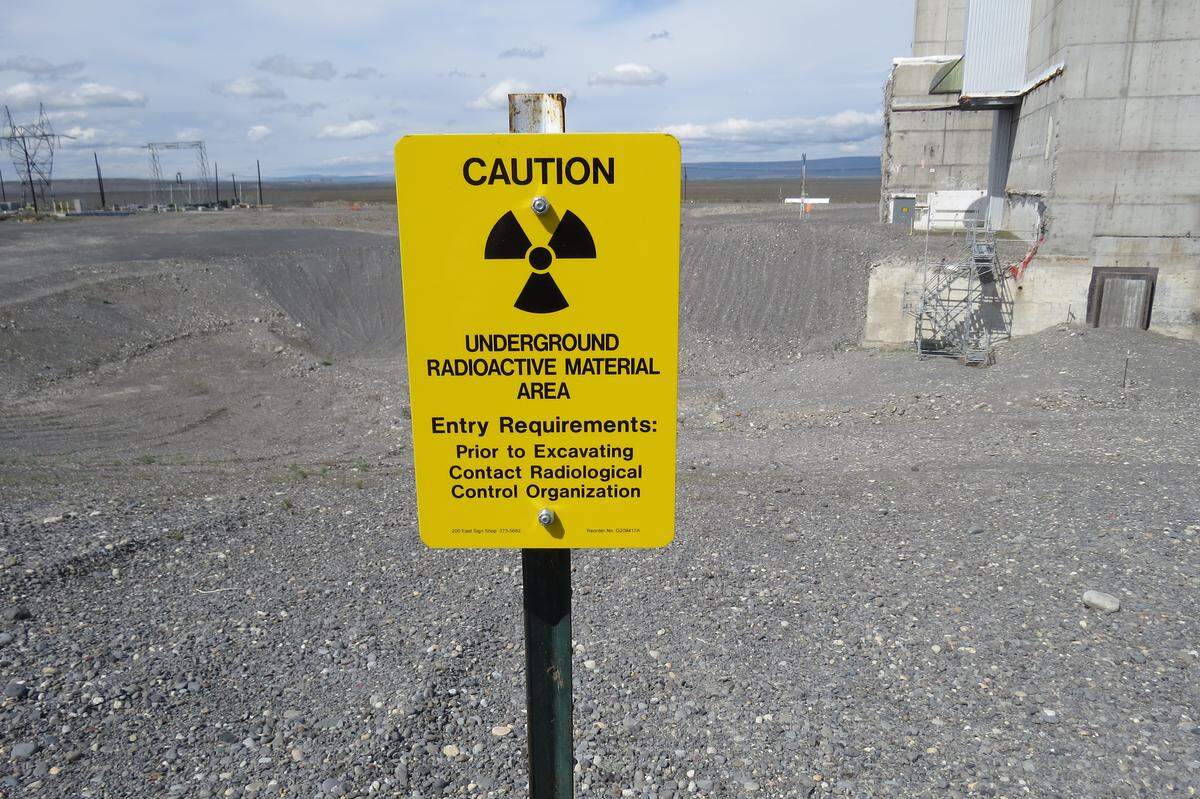
The Hanford site adjacent to Richland was used from World War II through the Cold War to produce nearly two-thirds of the plutonium for the nation’s nuclear weapons program.
Since 1989 work has focused on cleanup of the extensive radioactive and hazardous chemical contamination and waste left from the wartime work.
This story was originally published April 1, 2025 at 2:15 PM with the headline "Feds ask more workers overseeing Eastern WA nuclear cleanup, others to sign up for layoffs."