‘Real and immediate impact.’ WA outdoor recreation leaders brace for effect of Trump cuts
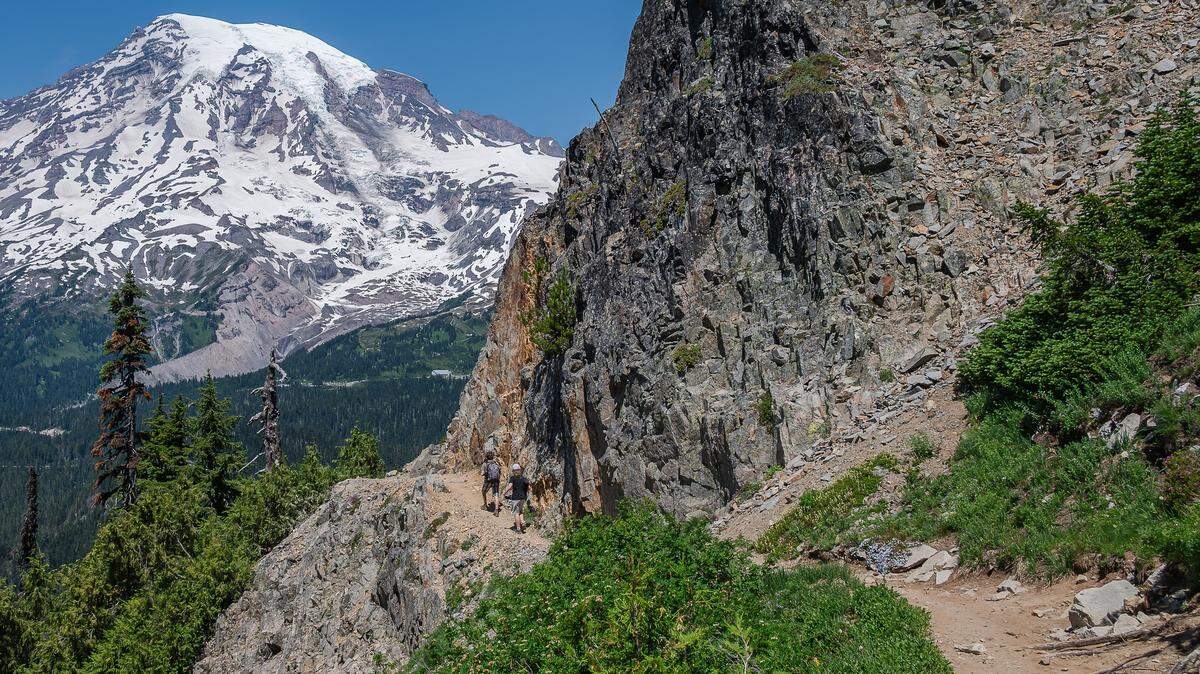
Those excited to get outside this year in Washington state might be in for a rude awakening.
National Park Service staff reductions and layoffs in the National Forest Service as part of President Donald Trump’s efforts to reduce federal spending could impact recreational activities across a wide range of public lands, from national parks to state Department of Resources tracts, people who work in the industry told The News Tribune.
How much and where is hard to determine.
Federal officials have refused to answer questions from The News Tribune about how many staff in Washington would be affected by the Trump administrations’ efforts, which positions would be targeted and if it would result in trail closures, degrade visitor experiences or impact safety. Parks staff who have been laid off and volunteers who maintain miles of state trails say all those things could happen unless staff are reinstated.
Most of the 3,400 Forest Service employees and 1,000 National Park Service employees who were terminated nationwide have been reported to be early-career employees and probationary staff in charge of jobs like restroom and trail maintenance, visitor experiences and customer service. Lack of information has sown confusion and chaos at state agencies like the Washington Department of Natural Resources.
The popular Franklin Falls Trail and Sno-Park in the Mt. Baker-Snoqualmie National Forest was reported closed indefinitely Feb. 19 “due to staffing concerns and hiker safety,” as reported by the Washington Trails Association.
Michael Kelly, communications director for the Washington Department of Natural Resources, told the News Tribune on Feb. 20 there’s so little information being shared with the DNR that its staff often learns about impacts from news outlets.
“There’s a lack of information. There’s just a vacuum. I’ve talked to so many people who are like, ‘What’s going on?’ I know as much as you do. What we do know concerns us,” Kelly said. “We know recreation is really important to the state, to local economies. Recreation and national parks [are] really important. And if they’re going to have fewer rangers out there, that could impact their parks, it could impact people’s experience of the parks and that could make more people want to go hang out in our state lands.”
The staffing cuts come at a time when Washington parks would be starting to ramp up their seasonal hiring, as previously reported by McClatchy. It also comes at a time when national parks have seen record-high visitor numbers. In 2023 Mount Rainier, Olympic and North Cascades national parks saw a combined 929,630 visitors in August alone. The National Park Service reported 325.5 million recreational visitors overall in 2023, a 4% increase from 2022. The National Park Service has said it will hire seasonal workers to staff its parks this summer, as reported by the Bellingham Herald.
In 2023, the outdoor-recreation industry contributed $22.5 billion to Washington’s economy, supporting rural businesses and more than 120,000 jobs, as reported by Axios.
A nationwide “Protect Your Parks” protest in support of public lands and parks staff was scheduled at noon on Saturday at two locations in Western Washington, with one rally at the Nisqually entrance to Mount Rainier National Park and the other at Ashford County Park. The movement appears to be led by a group of off-duty National Park rangers with more than 10,000 followers on Instagram @resistancerangers. Other protests were tentatively scheduled at the same time in front of the headquarters of North Cascades National Park, Olympic National Park, San Juan Island National Historic Park and Whitman Mission National Historic Park, according to a growing list of protest locations nationwide created by the group.
What we know about cuts and impacts to parks
Staff with Mount Rainier National Park, Olympic National Park and the North Cascades National Park did not have any information to share with The News Tribune about how the federal hiring freeze would impact staffing and services. As previously reported by The News Tribune, Mount Rainier National Park has not shared if it would continue its timed-entry reservation system this year.
According to information collected by the National Federal of Federal Employees union and shared with The News Tribune, as of Wednesday there have been:
▪ Three terminations in Olympic National Forest districts (including one in Quilcene, one administrator and a biologist)
▪ 35 terminations in the Mt. Baker-Snoqualmie National Forest (including 13 terminations in the Mt. Baker Ranger District, eight in the Darrington Ranger District, five in the Skykomish Ranger District, five in the North Bend Snoqualmie Ranger District, three in the Enumclaw Snoqualmie Ranger District and one in the supervisor’s office)
▪ 46 terminations in Okanogan-Wenatchee National Forest districts (including 14 in the Naches Ranger District, 10 in the Methow Valley Ranger District, 10 in the Wenatchee River Ranger District, nine in the Cle Elum Ranger District and three in the Entiat-Chelan Ranger Districts)
▪ 21 terminations in Colville National Forest districts
▪ 15 terminations in Gifford Pinchot National Forest districts
▪ Five terminations in the Columbia River Gorge National Scenic Area
Messages to the Forest Service were directed to Larry Moore, who spoke on behalf of the U.S. Department of Agriculture. He did not answer questions from The News Tribune about Washington state impacts but provided a statement.
“Secretary [Brooke] Rollins fully supports the President’s directive to improve government, eliminate inefficiencies and strengthen USDA’s many services to the American people. We have a solemn responsibility to be good stewards of the American people’s hard-earned taxpayer dollars and to ensure that every dollar spent goes to serve the people, not the bureaucracy,” he said in an emailed statement on Feb. 19. “As part of this effort, USDA has made the difficult decision to release about 2,000 probationary, non-firefighting employees from the Forest Service. To be clear, none of these individuals were operational firefighters. Released employees were probationary in status, many of whom were compensated by temporary [Inflation Reduction Act] funding. It’s unfortunate that the Biden administration hired thousands of people with no plan in place to pay them long term. Secretary Rollins is committed to preserving essential safety positions and will ensure that critical services remain uninterrupted.”
The Billy Frank Jr. Nisqually National Wildlife Refuge near Olympia, which is managed by the U.S. Fish and Wildlife Service, did not answer questions from The News Tribune about staffing or refuge impacts.
The National Park Service press team did not answer questions but shared a statement via email Thursday: “The National Park Service is hiring seasonal workers to continue enhancing the visitor experience as we embrace new opportunities for optimization and innovation in workforce management. We are focused on ensuring that every visitor has the chance to explore and connect with the incredible, iconic spaces of our national parks.”
Washington State Parks communications director Clare DeLong told The News Tribune on Tuesday via email, “Except for a few isolated programs and grants, we do not rely on federal funding. About two-thirds of our revenue is earned, primarily from fees, but also donations and other sources. About one-third comes from state General Fund dollars. Cuts at the federal level may have residual impacts, as federal cuts to other state agencies may impact the demand on the General Fund, of which we rely on for one-third of our funding. We are tracking the changes at the federal level and keeping an eye on any direct or indirect impacts to State Parks.”
Parks Tacoma has seen no impacts so far, spokesperson Stacia Glenn told The News Tribune on Thursday. About 10% of revenue for Parks Tacoma’s $181 million operating budget in 2023-2024 came from grants, donations and intergovernmental funding sources. Most of the department’s budget comes from property tax, sales tax and earned revenue.
Tyler Severy with the Washington Mountain Rescue Association told The News Tribune on Feb. 21 all search-and-rescue teams in the state of Washington are run by volunteers.
“There is never a time when federal funding affects anything that we do,” Severy said via email. “I would say, if anything happens that the general public will lose access in the short term to some of the busier areas … it will likely result in less search and rescue missions” because there would be fewer people in the back country.
Chase Woolley, the board chairman and training director for the Pierce County Explorer Search and Rescue team, told The News Tribune Monday via email, “We appreciate your concern regarding search and rescue operations in Pierce County. At this time, we’re unable to provide a comment on the potential impacts of federal staffing changes. We recommend reaching out to the National Park Service or U.S. Forest Service for more information on how their staffing decisions might affect search and rescue efforts. However, our team remains fully prepared and committed to respond to any mission, ensuring the safety of those in need.”
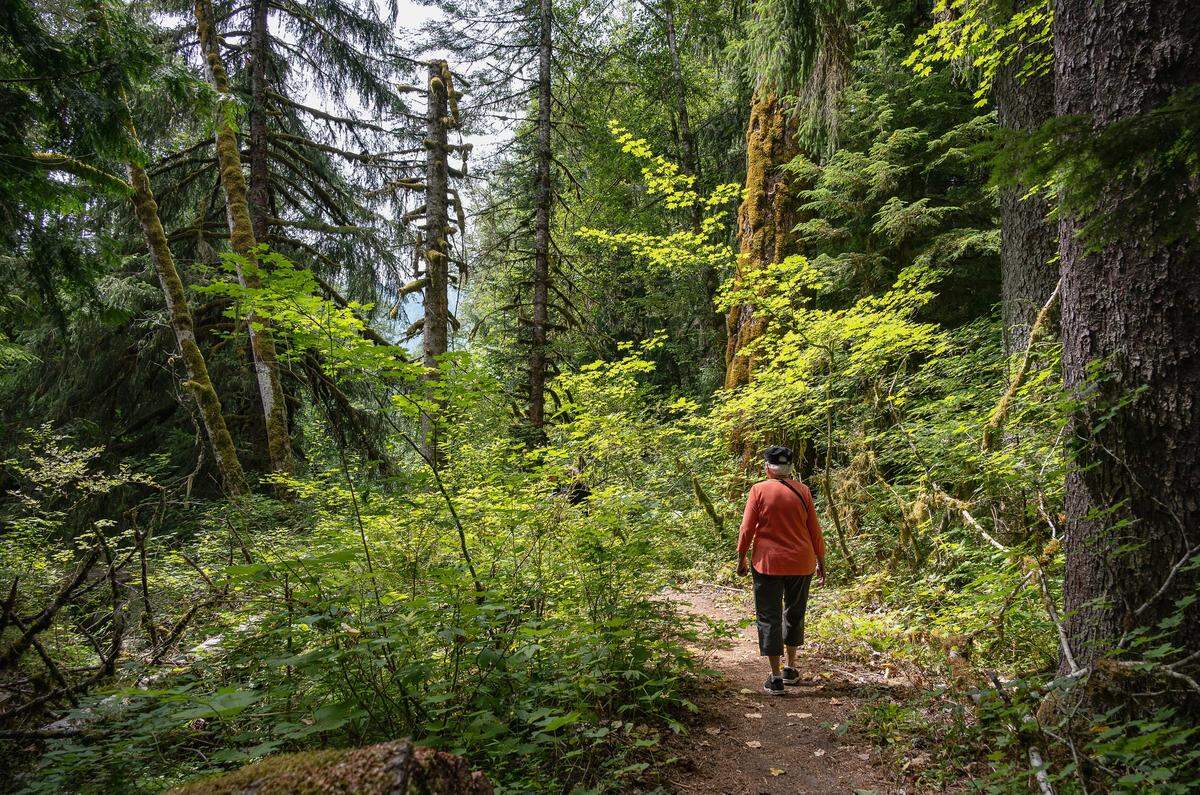
If national parks close, expect busier state parks, trails
Since the pandemic, the Washington state DNR has seen “a huge uptick” in public interest on its lands, which has resulted in the misuse and overuse of those lands, including erosion and environmental degradation, Kelly said.
“The problem starts to compound if you reduce access to park systems, right?” he said. “So if there are national park closures — and again, I don’t know if there will be — but if the staffing reductions impact the ability for the national parks to stay open, [or] the Forest Service to maintain their facilities, it may bump more people down to state and local parks, to DNR lands, and that just may increase the number of people who are using those lands, which could increase the overuse and misuse of those lands as well.”
Kelly said if national parks close, people would likely see busier trails in Washington and have a degraded experience as a result. In the past the DNR has had to shut down recreation areas that are overused or abused to ensure they remain healthy, he said.
“We’ll see more people on the lands and then that’s a choice people will have to make. Do they want to deal with crowds? Are they going to be able to find parking? Are facilities going to be maintained with that amount of use?” Kelly said. “Those are questions that we’re going to have to answer as the year goes on and as we get into the recreation season.”
As the state faces a budget crisis and shortfall of between $10 billion and $12 billion, Kelly said, DNR is running into maintenance challenges with current staffing levels and doesn’t expect to hire more staff.
The public should be prepared to be open to changes and have backup plans if necessary, said DNR communications manager Courtney James. They should also recreate in a responsible and safe manner, she said.
“Leaving no trace, packing out what you pack in, that sort of thing,” James said. “It’s going to be really important, now more than ever, that folks are treating the landscape with respect.”
A ‘real and immediate impact’ on trails, public lands
Kindra Ramos is the chief program officer for the Washington Trails Association, a statewide nonprofit network of hikers, volunteers, educators and public-land advocates that has been around since 1966. The organization runs the largest volunteer trail-maintenance program in the state, and members post regular Trip Reports with photos and descriptions of trail conditions statewide.
Ramos said the WTA has been working closely with the Forest Service for a long time and said the people being fired by the Trump administration “aren’t nameless individuals” but “folks that we have been working with for decades.”
“All of a sudden people that we coordinate our work parties with are no longer there. The staff that supports packing in our gear on our back country trips have been eliminated. Wilderness rangers and trail crews are gone. These are people that we talk to on a regular basis for our work and planning our seasons, and they’re no longer there,” she said. “This is going to have a real and immediate impact on our trails and public lands and the folks that visit them.”
Ramos said she’s heard that the people who are providing the public with information at ranger stations, issuing permits, clearing the trails, cleaning toilets, coordinating volunteers and taking out trash have often been the ones let go without warning or reason. That could mean that more bathrooms will be locked and trails could be closed for lack of regular maintenance, she said. Although Ramos said it’s good news in the short term that the National Parks Service is hiring more seasonal workers, WTA does the majority of its trail work on Forest Service land “where seasonal employees are not be[ing] hired and long-time staff have been fired.”
“The reality is that the Forest Service staffing and budget has been continually cut for decades, while public recreation has continued to grow in popularity,” Ramos said. “More and more people are getting outside, and there’s been less and less staff. And what this means now is there’s even less staff and infrastructure support for a growing number of people.”
WTA logs about 70,000 hours of volunteer work on forest lands alone each year, but Ramos said the group can’t do that work without agency partners. Already WTA has had to cancel four multi-day summer trips due to the lack of support in getting gear and tools into the back country, she said.
“Trees fall, trails get lost quickly. And so if we’re not doing regular maintenance, we really run the risk of not just making it harder to get out there, but losing trails altogether,” Ramos said. “It’s really heartbreaking to know that our forests aren’t going to get the care that they need. It’s always easier to do annual maintenance than it is to bring something back.”
Ramos encouraged people to contract their members of Congress and tell them to support and protect public lands. She also encouraged people to volunteer, tread lightly on trails as “there’s very few folks to care for it” and post trip reports on WTA’s website to let people know what’s happening to the landscape.
“It’s easy to think that trails just happen, but so much goes into keeping them safe and accessible,” Ramos said.
‘They deserve to know’
Amanda Brewer worked at the Mt. Adams Ranger District in Trout Lake, Washington in April 2023 before accepting a permanent position as a visitor services information assistant at the Mt. St. Helens National Volcanic Monument in January 2024. In that role Brewer walked the public through trail and snow conditions, planned itineraries for them, sold souvenirs, maps and permits, provided historical information about the monument and 1980 eruption and explained what recreational opportunities were available.
On Feb. 15 while out to breakfast with her husband, Brewer received a call from her forest supervisor telling her that she had been terminated during her probationary period for “poor performance.” According to her termination letter, which Brewer shared with The News Tribune, the USDA and Forest Service found “based on your performance, that you have not demonstrated that your further employment at the Agency would be in the public interest.”
Brewer said the letter was “a slap to the face of my character” because she had received an employee-of-the-month award in 2024 for her service, recently won a regional performance award, received several letters of recommendation and had successful performance evaluations prior to her termination. Brewer said she was the only visitor services information assistant for the entire Gifford Pinchot National Forest and would field calls from nearly 500 visitors a month during the summer.
Despite no longer working for the agency, Brewer continues to volunteer there eight hours a week to ensure those services still happen and to relieve pressure on former coworkers who are still employed there. Knowing that the National Park Service has committed to hiring more seasonal employees this year doesn’t change her opinions about the gaps that remain, but Brewer said she would expect to see more Forest Service employees applying for those seasonal positions to get their foot in the door.
Brewer said she made between $21 and $23 an hour in her previous role and was a breadwinner for her family. She has signed onto a grievance lawsuit filed by her NFFE Local 1968 union.
“This has been a 20-year dream job for me. And I’m 38 now,” Brewer said. “I’ve never been in another position that I’ve been the happiest in, ever. And so it was really devastating to lose it.”
Brewer said it’s disappointing the Forest Service would see her role as “wasteful” or not valuable because she generated more than $15,000 for the agency each year in map and pass sales and was the first person visitors saw when they entered the park looking for help and guidance.
“They just did a blanket termination of 3,400 employees or more, and it’s going to have such backwards, negative implications,” she said. “They’re gonna have to start rehiring those [positions] back, and so we’ll end up spending more money than what they anticipated on doing because of the mistakes they’ve made.”
Brewer said she’s worried that more people will chop down trees illegally, dump trash, abandon vehicles, use drugs or set up homeless encampments in the forest without adequate park enforcement. She’s also worried about people who would come to her for permits to remove firewood from the Gifford Pinchot National Forest to heat their homes or support their livelihoods, because she’s not sure who else would process them.
“Now without us being able to provide some of those services to them, you know, that they pay tax dollars for — lots and lots of money into that — that’s an offense to the public, and it’s an offense to the oath that I took when I did that job,” Brewer said. “I am now not being able to do the thing that I swore to do and I’m being kicked out and my staff are being expected to do [more with less].”
Brewer said she knows of many parks employees who are afraid to speak out about what’s happening due to fear of being terminated or making the situation worse.
“The more information that gets out there, the more we’re actually seeing change happen,” she said. “Even if I’m not on a Forest Service payroll, in my heart, I am still serving the public, and I would rather have it come from me … rather than having to go to a trail and be like, ‘Oh, why is this closed? Why hasn’t anyone said anything?’ I’d rather have it come from me and never be hired by the Forest Service again, just so they know what is going on, so they can understand there’s a lot going on, and they deserve to know.”
This story was originally published March 3, 2025 at 5:00 AM with the headline "‘Real and immediate impact.’ WA outdoor recreation leaders brace for effect of Trump cuts."