
Tax season is underway. Here are key dates and deadlines that WA residents need to know
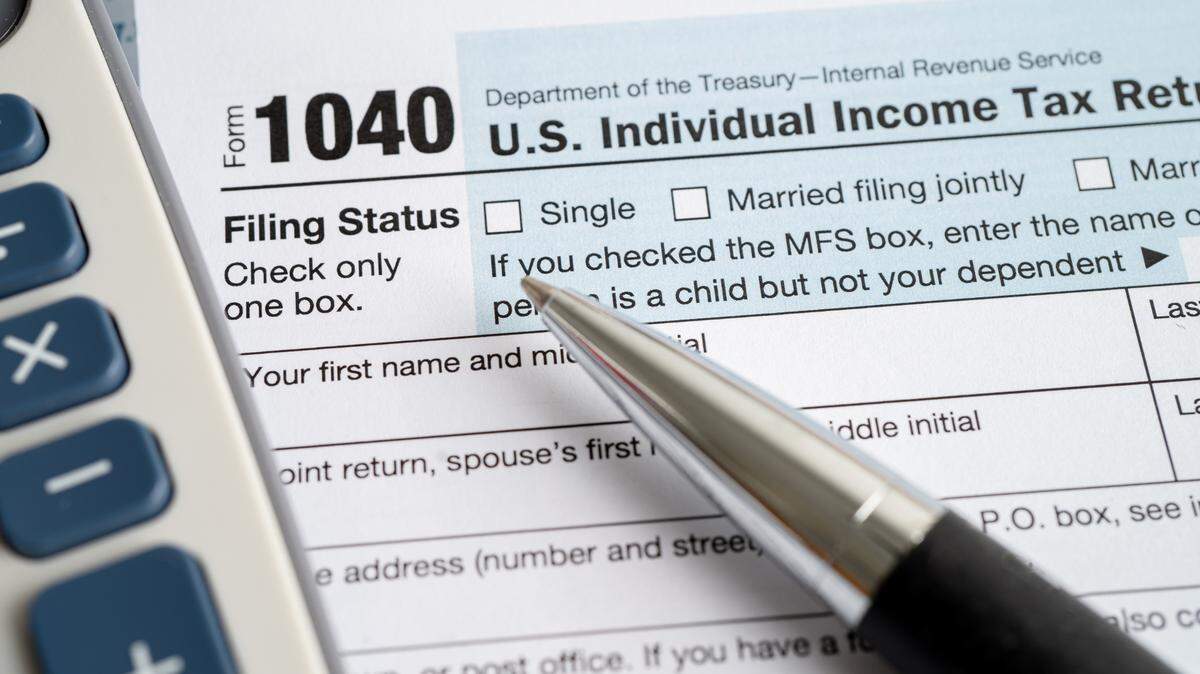
Washington doesn’t have a state income tax, but that doesn’t mean filing your taxes is easy in the Evergreen State. Between federal income taxes and the state’s property tax, capital gains tax and business tax, there are still plenty of dates and procedures to remember. Here’s what you need to know.
Federal tax deadline
The Internal Revenue Service started accepting 2024 tax returns on Jan. 27, 2025. The federal tax deadline is its usual date, April 15, which falls on a Tuesday this year.
After participating in a pilot program last year, Washington is one of 25 states where the IRS’s new “Direct File” free online service is available this year.
Can you get a tax filing extension?
You can get an extension until Oct. 15 if you request it by mailing in a Form 4868, or online through the IRS’s Free File tool. If you don’t want to fill out a separate form, you can also request an extension by checking a box while making a payment through the IRS’s online payment system.
Special tax deadlines
Deployed members of the military have 180 days after returning from their deployment to file taxes. That can be extended to a year in the event of an emergency military operation.
People who are self-employed typically have to file their tax return on the same schedule as everyone else but also have to pay a tax on their estimated income each quarter. Those are due on the 15th of April, June, September and January.
Who needs to file taxes?
In general, U.S. citizens and permanent residents need to file federal income taxes if their 2024 income meets a certain threshold.
Here are the income thresholds for people under the age of 65:
$14,600 for single people
$21,900 for a head of a household
$29,200 for married couples filing jointly ($30,750 if one spouse is over the age of 65 and the other isn’t)
$5 for married couples filing separately
In some cases, people whose spouse died and who haven’t remarried qualify for the $29,200 threshold
Here are the income thresholds for people 65 years of age or older:
$16,550 for single people
$23,850 for the head of a household
$32,300 for married couples filing jointly
$5 for married couples filing separately
In some cases, for people whose spouse died and who haven’t remarried, the threshold is set at $30,750
According to Christopher Nissly, a tax analyst at H&R Block in Lynnwood, the $5 threshold for married couples filing separately is designed to close any potential loopholes.
“This lower threshold is designed to prevent married couples from exploiting tax benefits by filing separately,” Nissly told McClatchy in an email. “Filing separately can sometimes be used to claim deductions or credits that might not be available if filing jointly. By setting a low threshold, the IRS aims to better ensure that income is properly reported and taxed.“
Nissly said it’s important to note that Washington is a “community property” state, which changes how married couples who file separately have to divide their income.
“Washington is a community property state, meaning that income and deductions must be allocated equitably between married taxpayers who choose to file separately,” Nissly said.
People who can be claimed as dependents on a parent or guardian’s taxes have to file if their earned income meets the threshold for their age and marital status. They also have to file if their unearned income, which includes capital gains, dividends, unemployment benefits, interest payments and pension checks, exceeds the following threshold:
$1,300 for people under the age of 65
$3,250 for people who are single and age 65 or older
$2,850 for people who are married and age 65 or older
Washington state tax deadlines
While Washington doesn’t have an income tax, there are a few deadlines you should know.
Property taxes are collected at the county level. In Washington, property owners have until April 30 to pay the first half of their property taxes, while the second half is due by Oct. 31. If your total property tax for the year is $50 or less, some counties require you to pay the entire amount by the first deadline.
The state also has a 7% capital gains tax, due by April 15. However, each person is given an automatic deduction of $270,000, so you won’t have to pay anything unless your capital gains on assets sold last year exceed that amount.
“This tax was passed by the Washington State Legislature in 2021 and went into effect for the 2023 tax year. Real estate sales and short-term capital gains are excluded from this tax,” Nissly said.
The state’s business excise tax is due on the 25th of each month, unless it falls on a weekend or holiday, for most businesses that make over $100,000 a year in gross earnings. The threshold is lowered to $60,000 for restaurants and business in retail and construction. Smaller businesses have to file either once a quarter or once a year, depending on their yearly income.
“Self-employed individuals conducting business in Washington are generally required to register for and file the state’s [business and occupation] tax,” Nissly said. “The B&O tax is a gross receipts tax, meaning it’s calculated on the total gross income of the business without deductions for expenses. The specific tax rate and filing frequency depend on the nature of your business activities and your total gross income.”
For businesses that have to file quarterly, returns are due at the end of the month after each quarter ends. Businesses that file annually have to do so by April 15.
The tax applies to retail or service businesses, as well as “specialized activity” businesses, including construction firms, truck drivers, restaurants and car dealers. The rate varies by the type of business activity, but is below 0.5% for retail, wholesale and manufacturing. It rises to 1.5% for services (1.75% for businesses that make over $1 million) and certain specialized businesses.
Washington also has a pair of excise taxes that aren’t paid on a regular schedule. A tax on the sale of real estate is due at closing and can starts accumulating late fees starting a month from the date of the sale. Washington’s estate tax is due nine months after a death.
This story was originally published February 12, 2025 at 11:02 AM.