These plants bloom in western Washington over spring. They’re also toxic to your pets
The sun is out, Washington, and you could even say that spring has sprung. Temperatures are rising, plants are blooming and Washingtonians are back outside enjoying their daily walks.
Spring is the season of changes. This includes the return of many plants, including some that can be dangerous to household pets. It’s important to keep an eye on your animals while they’re outside, to prevent exposure to toxic plants.
“Spring brings vibrant flowers and new growth, but it’s important to remember that not all plants are pet-friendly,” Amanda Thomer, medical director at Veterinary Specialty Center of Seattle, said in a press release. “If you have pets, please be mindful of the plants you bring into your home or plant in the yard. Pets are naturally curious and may nibble on them. Depending on the plant they ingest, effects could range from mild stomach upset to organ failure or even death.”
What toxic plants should you look out for in western Washington? Here are some you’ll find in the next few months.
Dangerous houseplants and flowers for pets
Lilies - All parts of the lily plant are dangerous to cats. A cat that ingests a small part of a lily, its pollen or even water from the vase could suffer severe, acute kidney failure if not treated immediately.
Tulip or hyacinth bulbs - The bulb part of the plant that is planted into the soil can result in severe poisoning if dogs dig up and chew on freshly planted bulbs. Signs of ingestion include profuse drooling, vomiting or diarrhea, depending on the amount consumed. More severe symptoms include an increased heart rate, changes in respiration and difficulty breathing.
Devil’s ivy or pothos plants- This plant can be mildly to moderately harmful to dogs and cats. When chewed on, the plant releases crystals that irritate the mouth and stomach. Common signs your pet has nibbled on this plant include drooling, pawing at the mouth, oral pain, decreased appetite and vomiting. In rare cases, swelling of the upper airway occurs making it difficult to breathe.
Toxic wild plants in western Washington
The Washington State Department of Transportation has a guide to poisonous plants found in the state. The plants in the guide that bloom in spring and are harmful to animals include:
- Blooms: May through June
- Poisonous portion: All parts of some plants in this family can be poisonous, including: roots, stem, leaves, flowers, seeds and oils from plant.
- Description: The shape of the flower is called an umbel and resembles an umbrella with stalks holding up a flat top or convex head of smaller flowers. The plant’s flowers are typically white to pale pink or purple, sometimes yellow. Flowers have five petals. The stems are often hollow and may have purple spots, streaks or tint.
- Blooms: May through July
- Poisonous portion: The sap from the plant is poisonous and is present in all portions of the plant.
- Description: The flower has an umbrella shape and has unequal length flowering stalks and many small yellow flowers. The plant’s leaves are coarse, dissected into leaflets, toothed or lobed, along the stem and at the base and get smaller farther up the stem. The stems are grooved, hollow and may be purple tinged.
Giant Hogweed (Heracleum mantegazzianum)
- Blooms: May through June
- Poisonous portion: The sap is extremely poisonous and is present in all parts of the plant, and more highly concentrated on lower part of the stem, on white hairs on the plant, and in flowers and seeds.
- Description: The plant’s flowers are convex umbel with many small white flowers. The leaves are extremely large and can get to be up to 5 feet across. The stems are robust, ridged, hollow, with purple spots or streaks and has prominent white hairs.
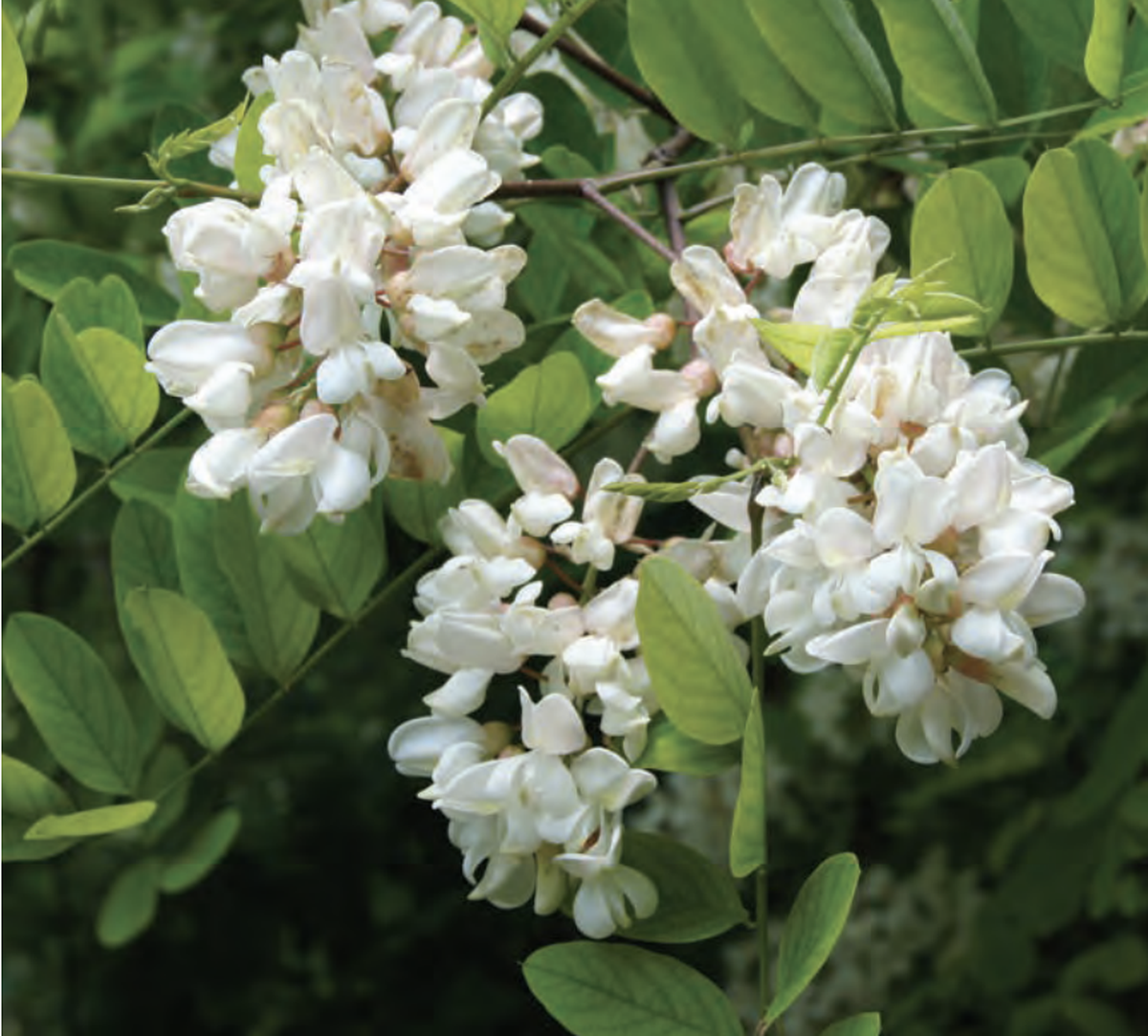
- Blooms: May through August
- Poisonous portion: The sap is poisonous and is present in all portions of the plant.
- Description: The plants has many small white flowers that have an umbrella shape with large leaves that are dissected or fern-like. The plant’s stem is hollow, branched and ridged with purple spots or streaks and can grow to be between six to eight feet.
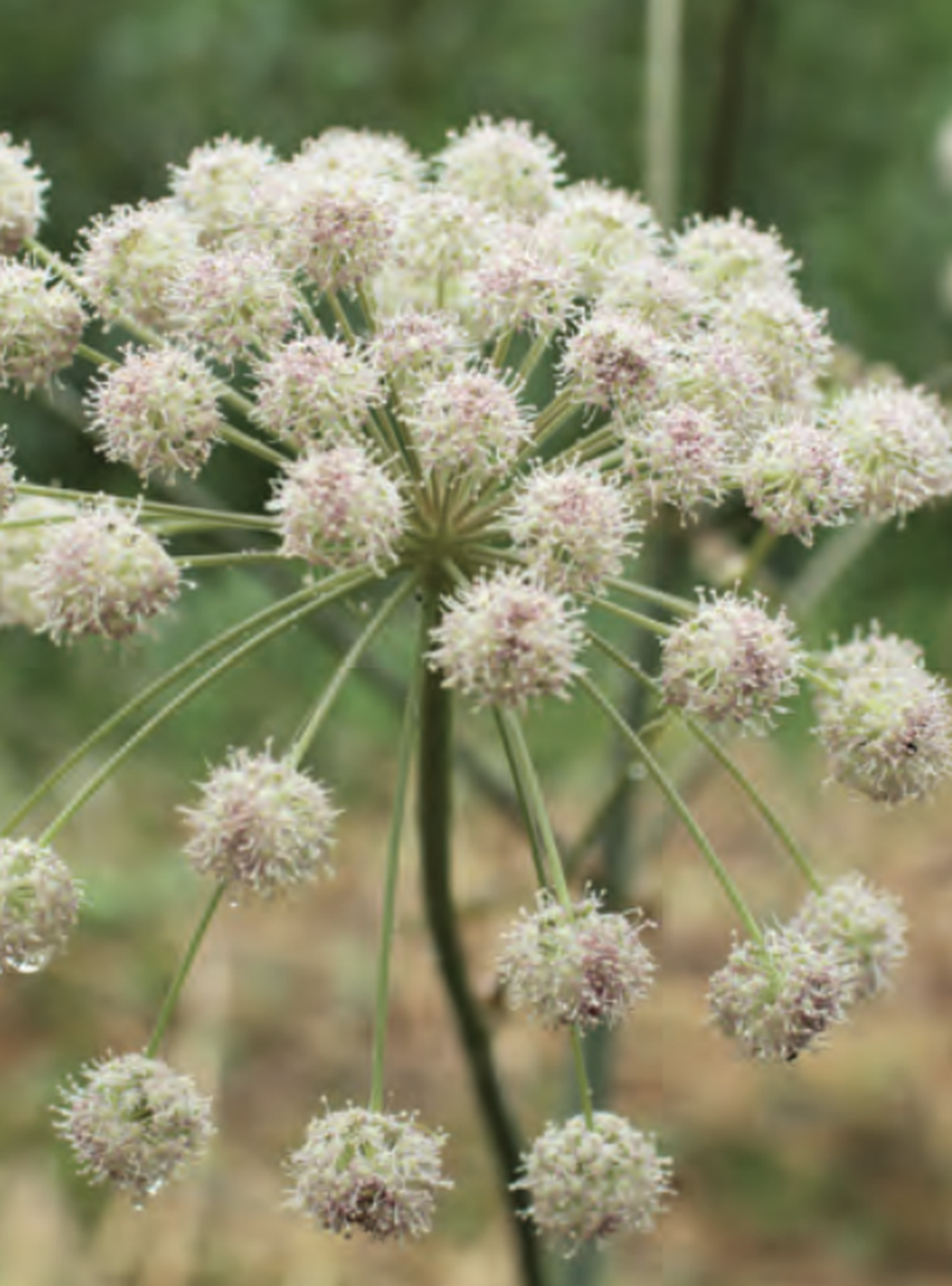
- Blooms: May through September
- Poisonous portion: The stinging hairs on leaves and stems can puncture the skin and deliver stinging liquid.
- Description: The plant has small and inconspicuous clusters of flowers and heart-shaped leaves with coarsely serrated edges.
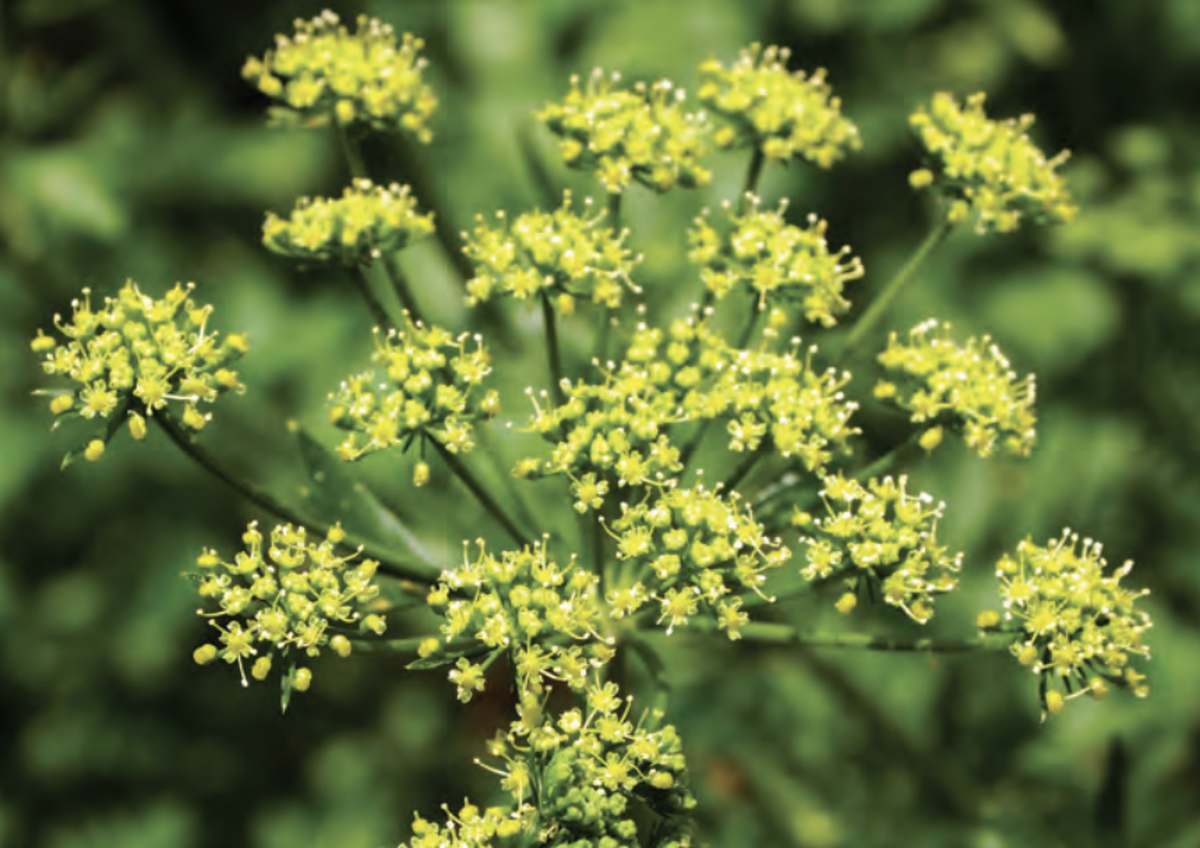
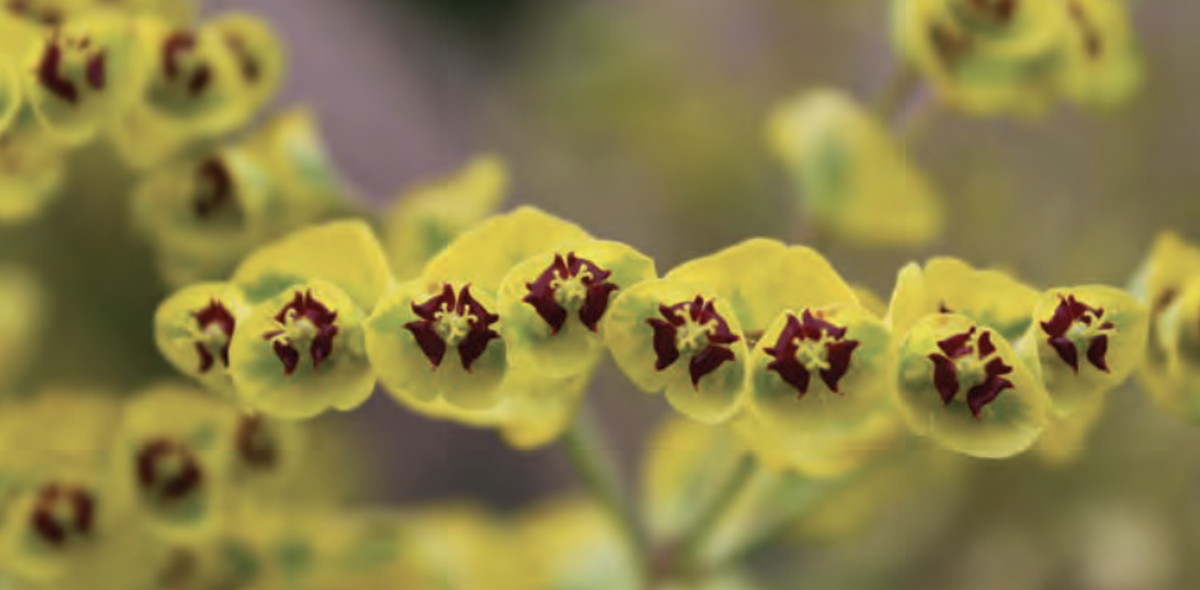
- Blooms: April through June
- Poisonous portion: The milky sap or latex found in broken stems or leaves.
- Description: There are many species of spurges and characteristics are variable. They often have a cluster of small flowers, with larger leaf like structures directly below the flower cluster which may be showy compared to the small flowers. The Christmas plant, Poinsettia, is a spurge.
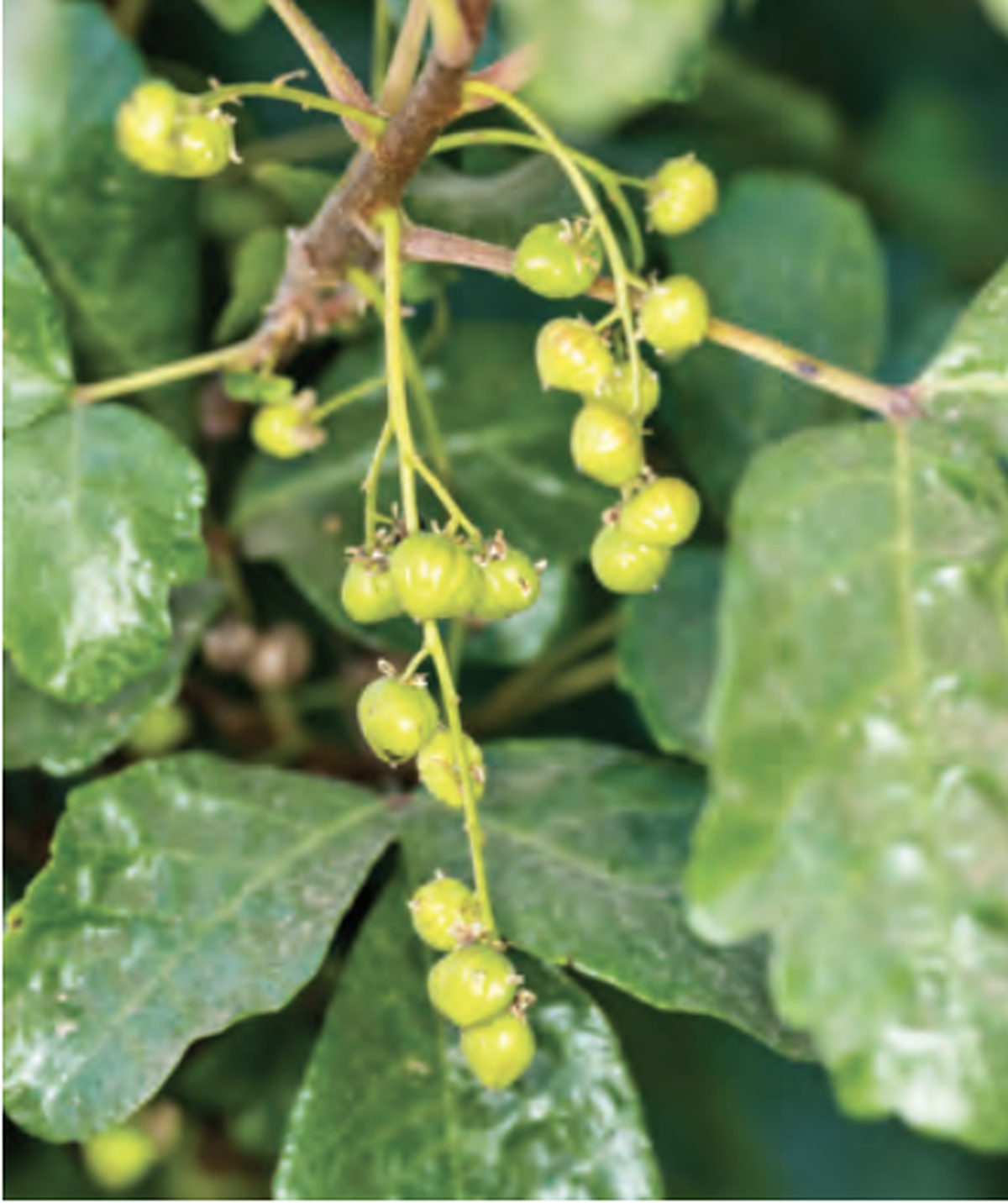
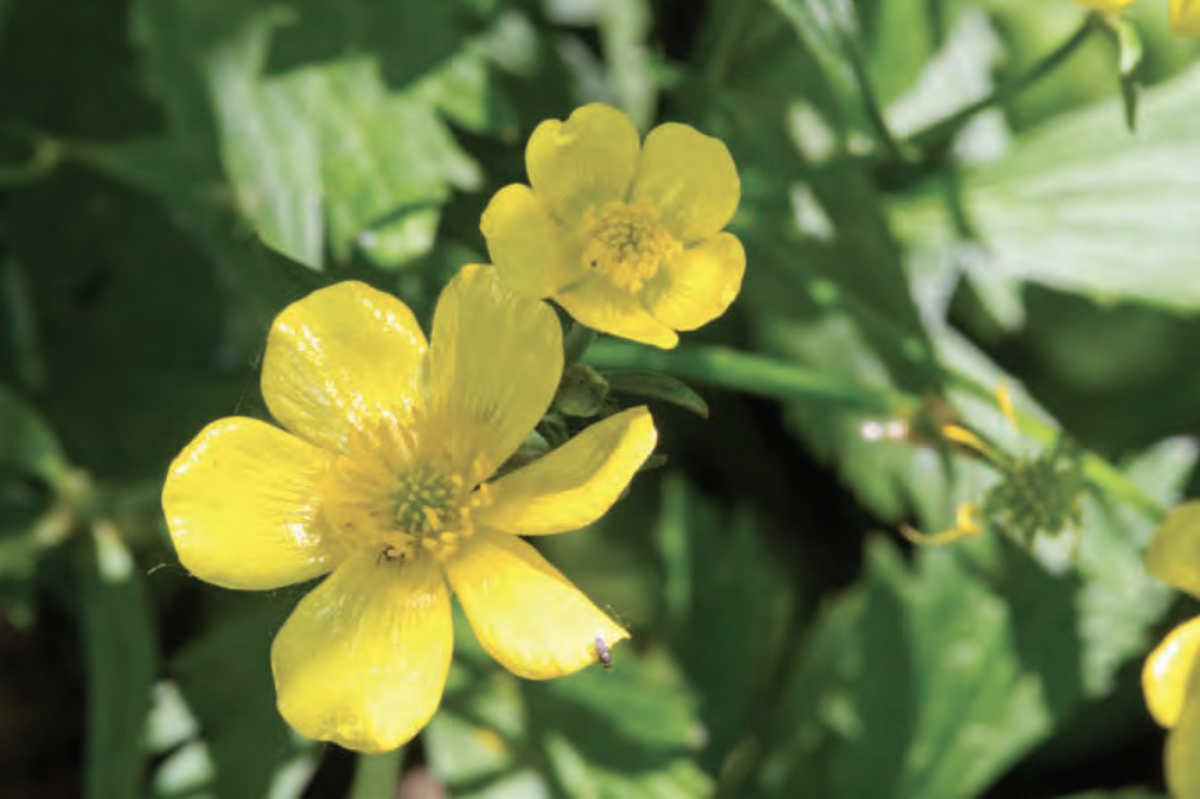
- Blooms: Spring
- Poisonous portion: The sap from the plant is poisonous and is present in all portions of the plant.
- Description: The plant has generally has flowers with five yellow petals, but they could sometimes be white or red tinged. Some species have other flower characteristics.
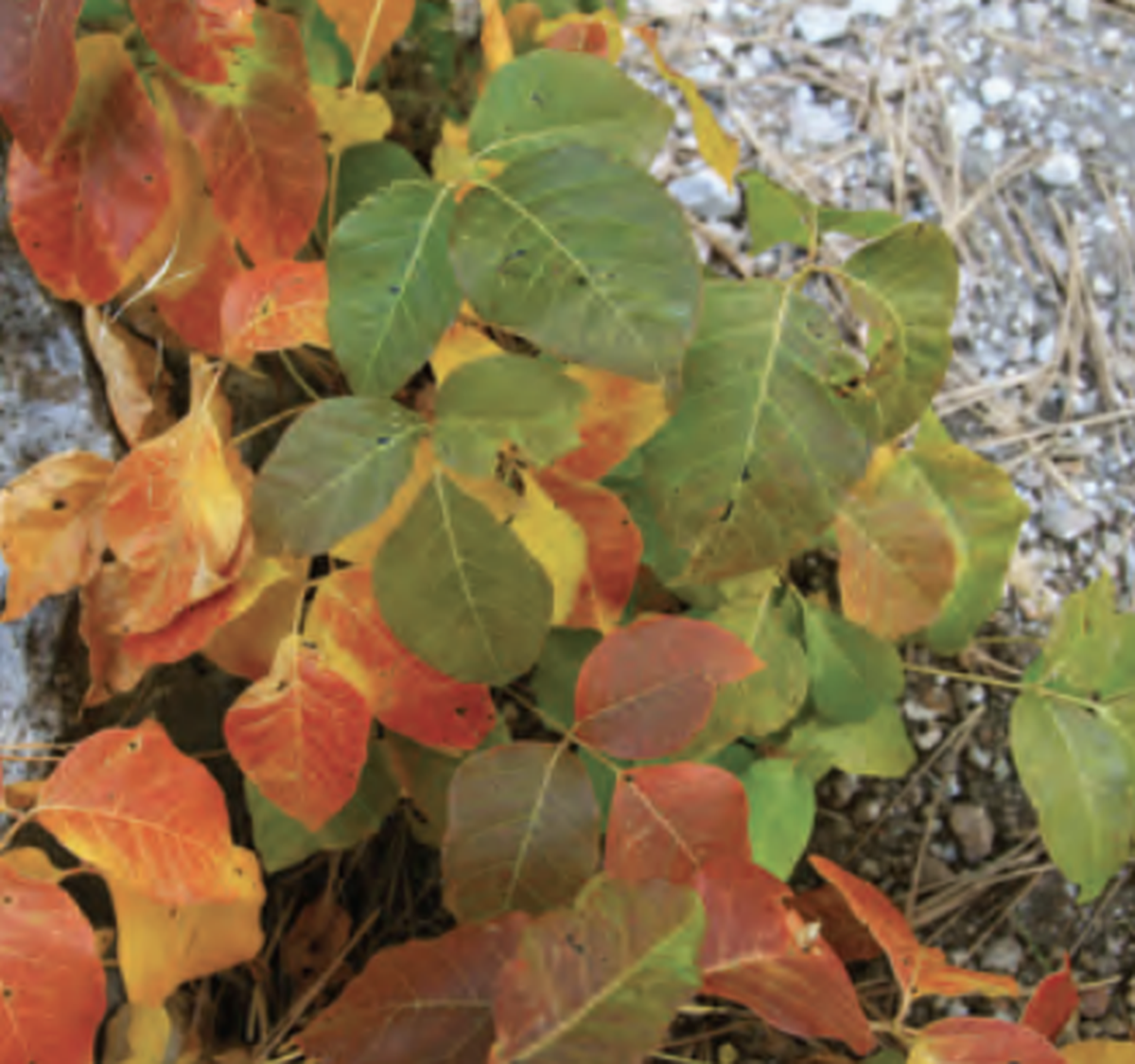
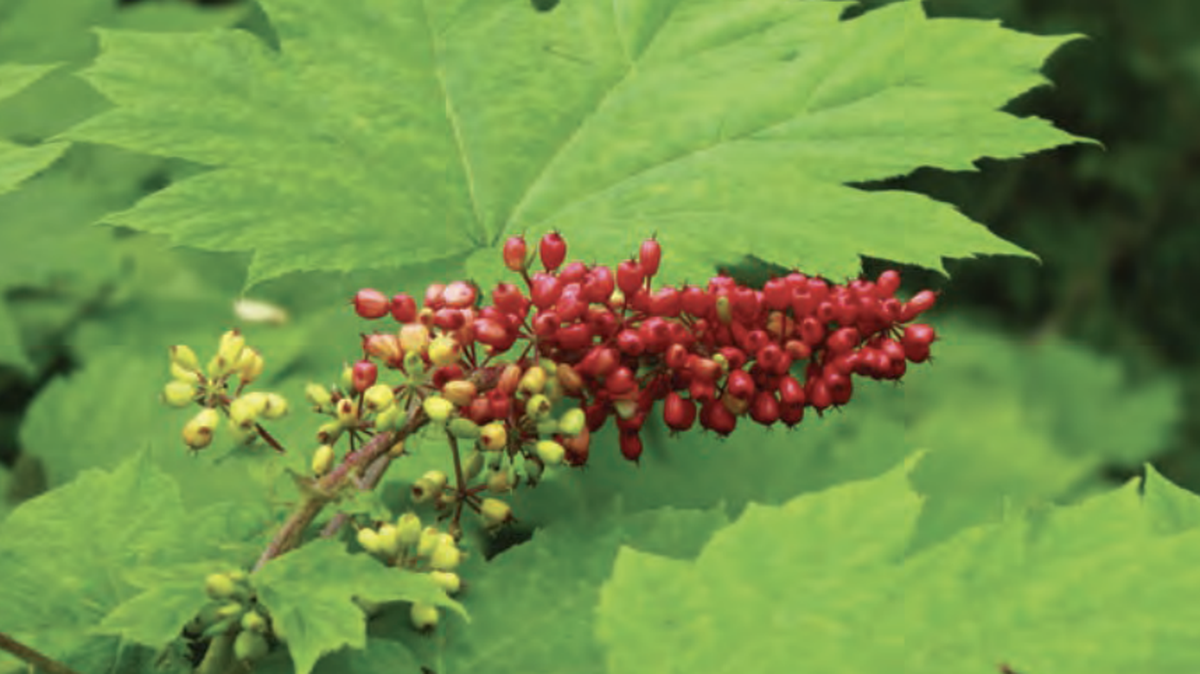
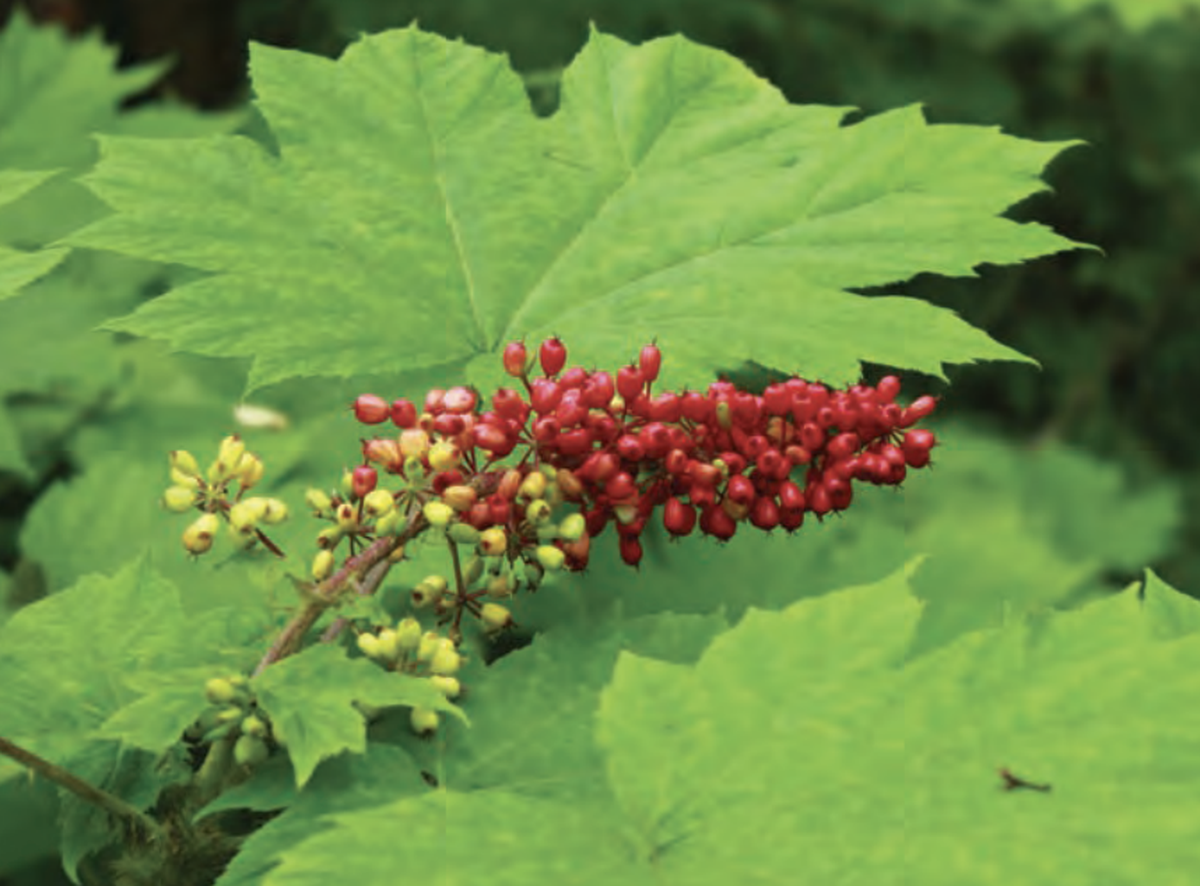
- Blooms: May through September
- Poisonous portion of plant: All parts of the plant are poisonous if ingested. Some people may experience mild skin irritation, to more severe rash after coming in contact with the foliage.
- Description: The plant has clusters of purple and yellow flowers and leave that vary in shapes. This plant is also known to grow clusters of drooping egg-shaped berries that are usually red, but can sometime be orange, yellow or green.
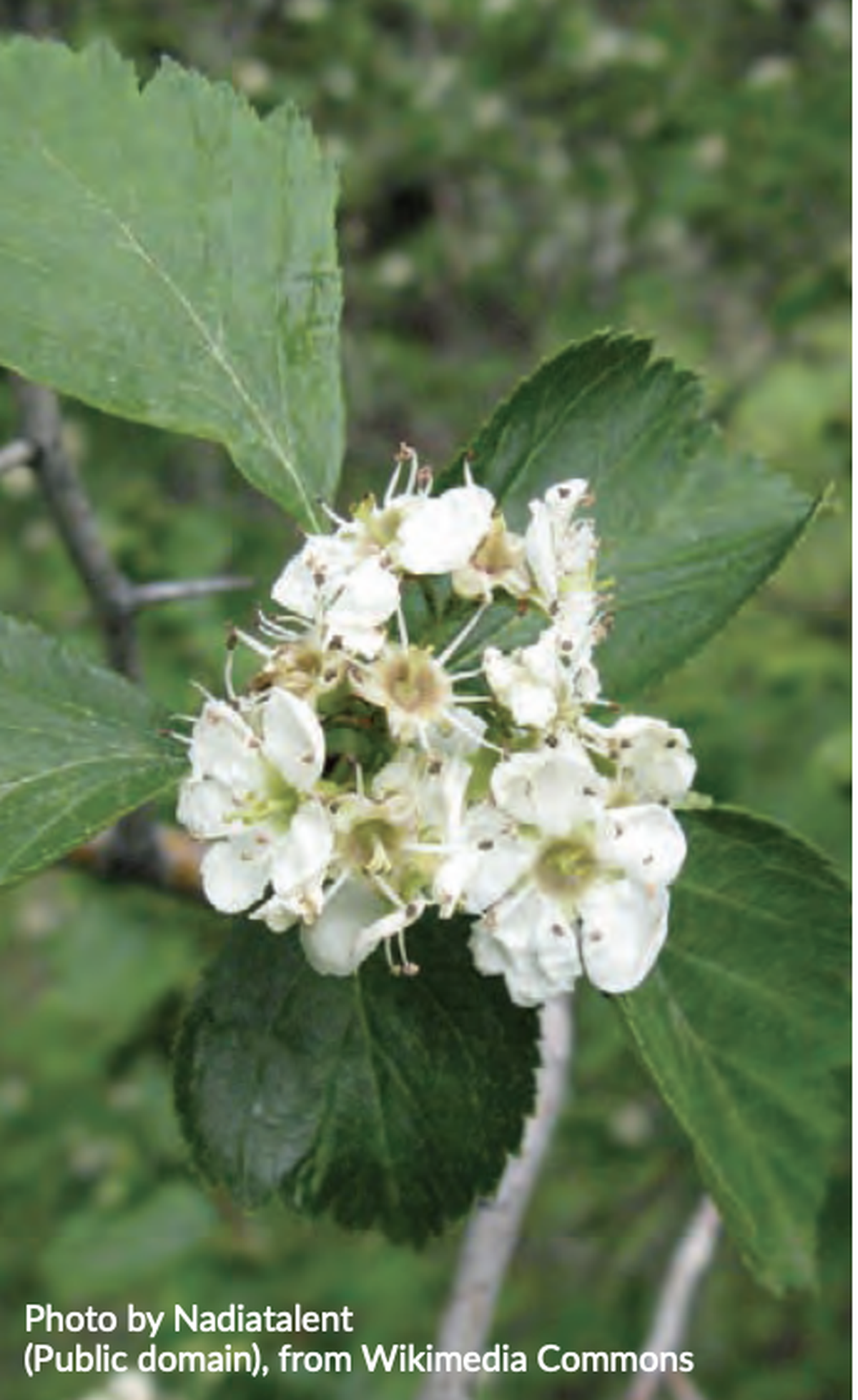
- Blooms: April through July
- Poisonous portion: The plant’s leaves, stems and roots of the plant contain poisonous oils.
- Description: The flowers on a poison oak are small with a greenish-cream color with three leaflets throughout the plant. The leaves may be lobed, wavy or toothed and glossy. This plant also grows small yellow berries.
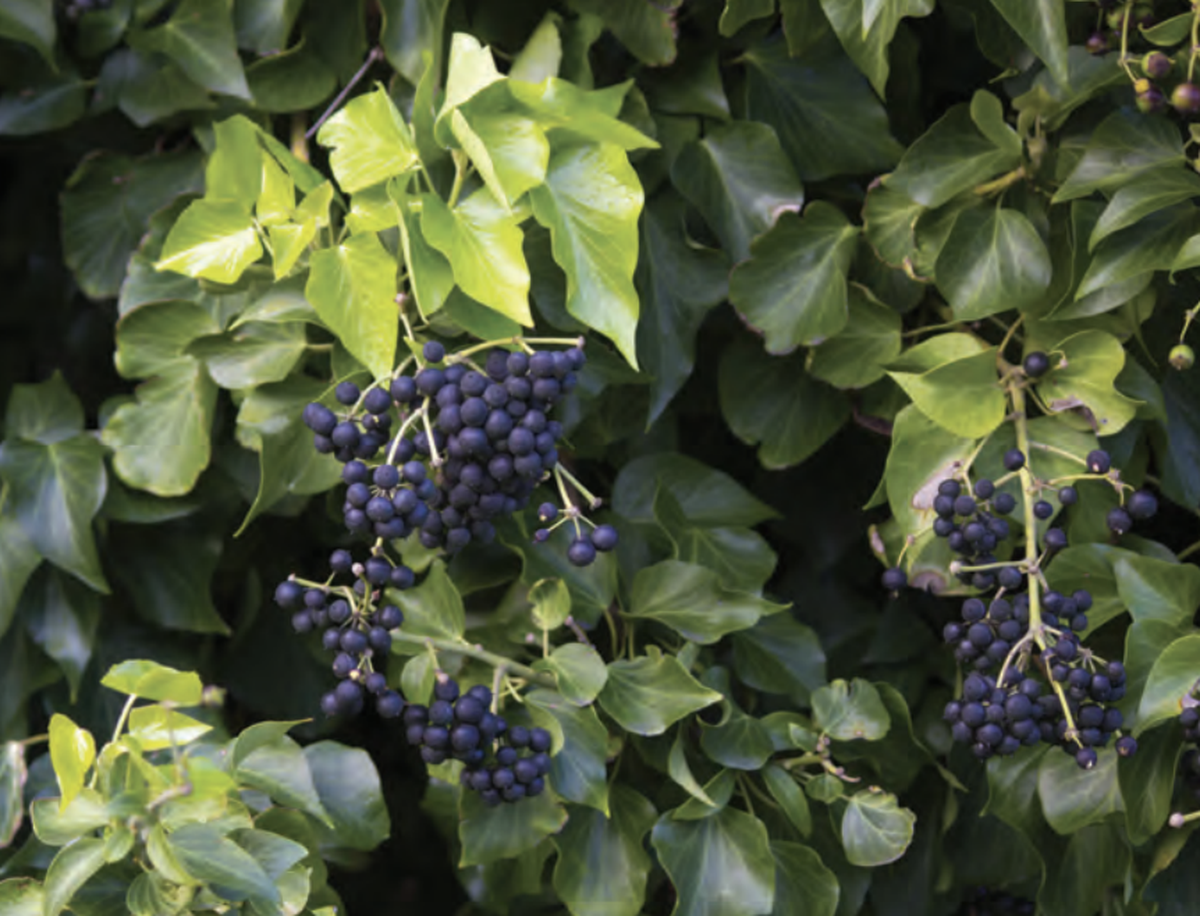
- Blooms: May through June
- Poisonous portion: The sap from the plant’s leaves or stems.
- Description: The plant has clusters of many small greenish-cream flowers and waxy, triangular shaped leaves with wavy leaf edges. The English Ivy also grows dark purplish or black round fruits.
There are some common signs that indicate your pet has ingested a toxic plant, though they’ll vary by plant. This can include:
Swelling
Intense itching
Pawing at the mouth
Vomiting
Labored breathing
Muscle twitching
Incoordination, lethargy
Redness of the skin
Diarrhea
Nervousness/agitation
High body temperature
Tremors, convulsions
Lack of reflexes
Drooling
Dehydration
Irregular heartbeat
Handling pet poisoning
Get veterinary care as soon as possible if your pet is poisoned by a plant. The earlier the response, the better the outlook. This is why it’s especially important to keep an eye on your pets when they’re outside, and to know the plants in your yard.
“If you wait until your pet begins to act ill, organ damage may have already occurred,” Thomer states in the press release. “Early decontamination and treatment can prevent the most life-threatening complications.”
When you notice the signs or suspect a poisonous plant has been ingested, call your local veterinarian. It may also help to call the poison control hotline, which is always available at 800-222-1222.
This story was originally published March 27, 2024 at 2:24 PM with the headline "These plants bloom in western Washington over spring. They’re also toxic to your pets."