
Here are the good and bad bugs to keep an eye out for this spring in eastern Washington
After a spell of chaotic, confusing weather in the Pacific Northwest, forecasts are finally showing a gradual temperature increase. Washingtonians are getting ready to put their coats away for the warm seasons, switching them out for sunglasses and sandals.
With the change in weather comes a change in conditions for insects and bugs. As more people start to get outside, the same can be said for insects. Washingtonians on the east side are done holing up through the cold, and so are bugs.
But how do you know which bugs to look out for? Which insects can be a benefit to your home, and which pests should you remove? An entomologist and professor at Washington State University told the Herald about what locals should know.
Bugs in eastern Washington
The majority of insects you’ll encounter around Tri-Cities are harmless and nothing to be concerned about, according to Richard Zack with WSU’s entomology program.
“Of the many, many, many types of insects out there, most either cause no problem or are beneficial,” Zack said in an interview. “I encourage people to look at them more as friends than as enemies.”
When it comes to your home, it may be an instinct to worry about, or even kill, any insect seen in or near the home. But more often than not, there’s no reason to.
Especially in your yard or garden, says Zack. The bugs on the ground are going to be predators toward other bugs, specifically the ones going for your plants.
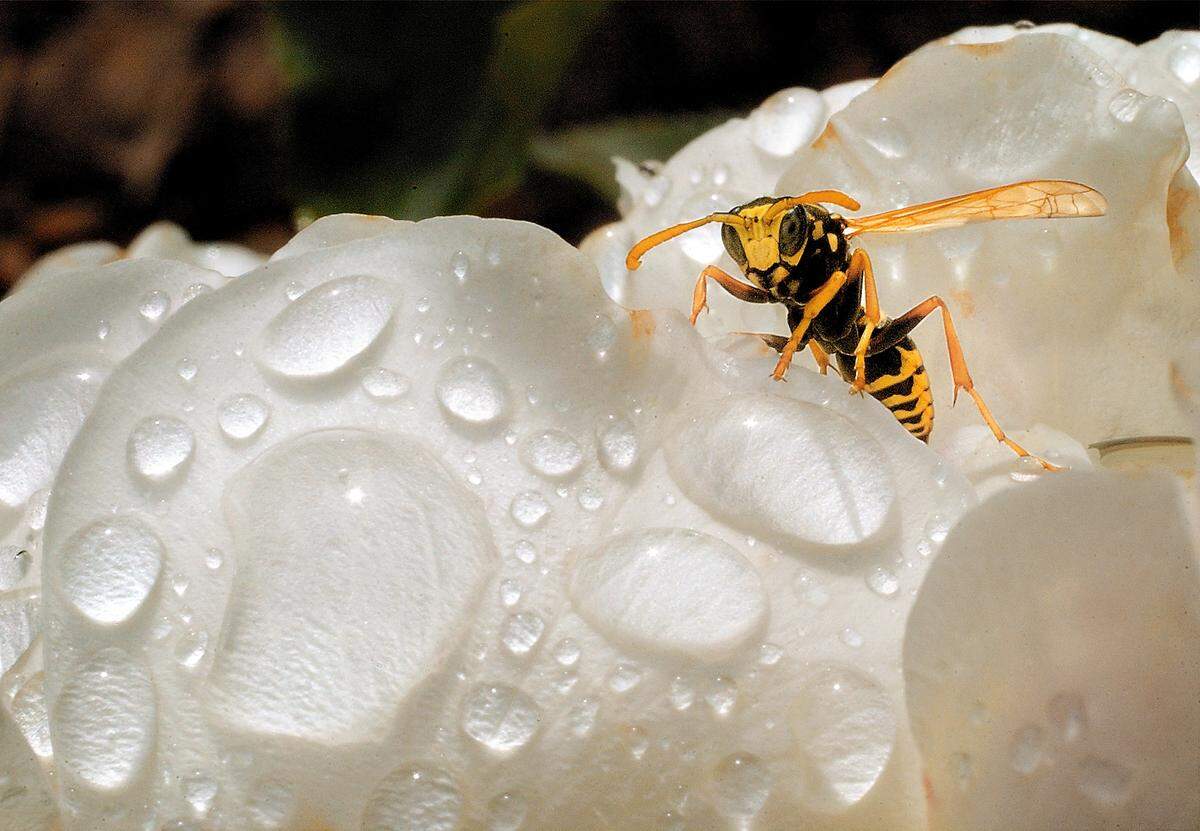
Bugs found in Tri-Cities yards
Most commonly, Zack says Tri-Citians can expect to see increased spider, ant, bee, yellow jacket and other wasp occurrences near homes. Generally, they’re looking for places to make a nest and are not intentionally wandering inside houses.
Zack also noted gnat activity will usually go up around this time of year, and stink bugs have become more prevalent recently.
The only potential danger in that list is from yellow jackets and other wasps, as they are stinging bugs, should they set up camp near your home and grow a decent-sized colony. This just increases the possibility of a stinging incident, which can be especially concerning in homes where there are often children around.
But even then, the danger risk is fairly low.
The farther you are from the city, you may also see scorpions. The scorpion species in this area are also of low threat to humans. The WSU entomology department identifies the Northern Scorpion as the species seen in the region, noting it isn’t known to sting humans and has mild venom.
While no one enjoys getting stung, there is no risk of serious medical problems when it comes to stings from common local insects, unless you’re allergic.
Zack recommends a quick check for wasp and yellow jacket nests on porches, decks and gutters, and scorpion habitats in wood piles or boards.
Bee activity picks up fairly early in the Tri-Cities area, according to Zack. Bees typically do not sting unless provoked, and shouldn’t be seen as a threat. Instead, bees are a sign that spring is just around the corner.
While honey bees are largely domesticated, there are still many wild bee species that can be seen around eastern Washington as well. They’ve been here for thousands of years, Zack says, and are extremely important for the pollination of wild plants. They’re great for the local environment and often benefit yards and gardens as well.
To support local wild bees and native plants, look specifically for “bee friendly” flowers next time you plan to add a plant to your yard. For this region, the state Noxious Weed Control Board recommends the Common Camas and Golden Currant, among others.
Mosquitoes may also become a concern closer to the summer months. Some species can be seen around spring, but the bugs won’t be in full force until around June.
Insects considered pests in eastern WA
Of course, there are exceptions to the vast majority of insects being harmless or even helpful. There are a handful of pests that do more harm than good, and if they become too prevalent, could have detrimental effects.
The largest concern regarding Tri-Cities pests would be the Japanese beetle, which has been discovered between Yakima and Tri-Cities at alarming rates in recent years, prompting state reaction. The Washington State Department of Agriculture has focused on eradication and prevention methods in the area.
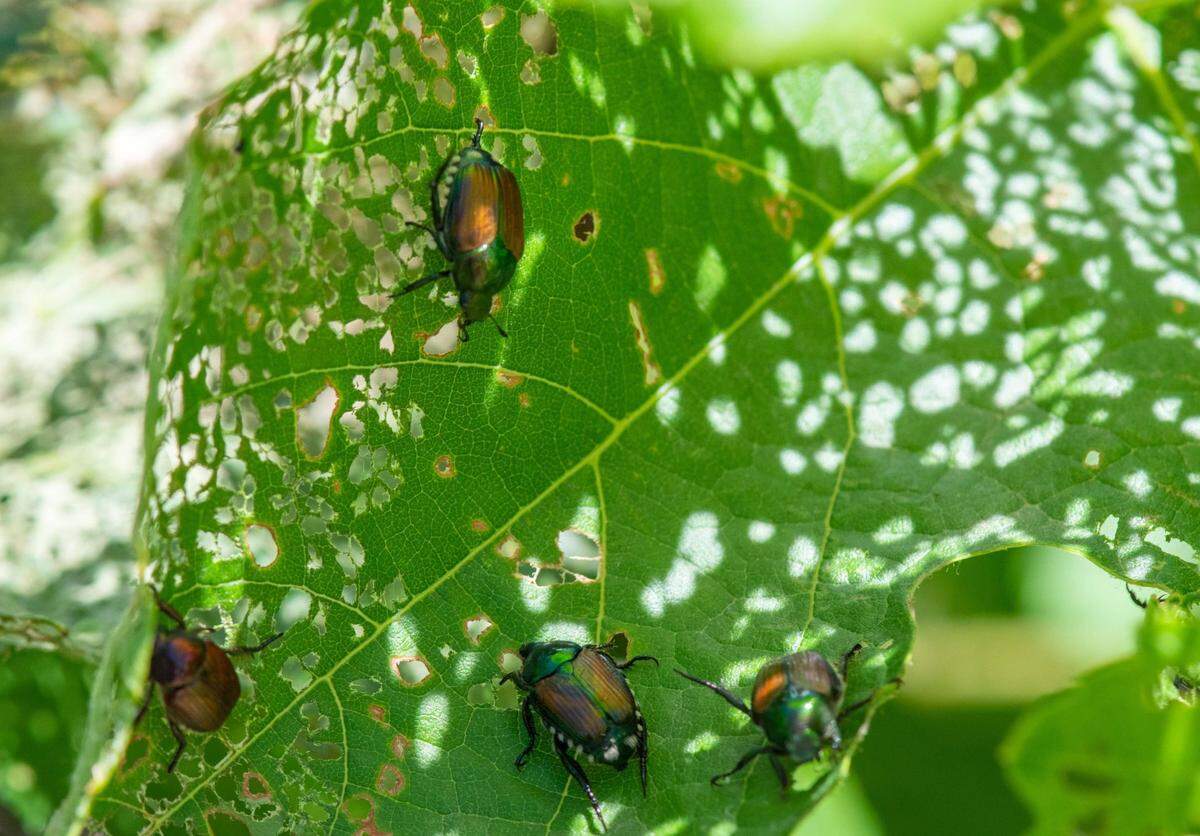
The Japanese beetle is not native to the area and threatens hundreds of local plants, including important agriculture. Quarantines, traps and other prevention methods have been put in place in recent years, but the insects will be difficult to eradicate.
Keep an eye out for updates on the Japanese beetle population in 2024, as the Washington State Department of Agriculture has requested reports of individual sightings for the past few years. Residents in affected areas will be informed by letter of quarantine, trap or alert systems. All other updates can be found on the WSDA Japanese Beetle site.
The only other potential concern noted by Zack was the coddling moth, which is particularly detrimental to tree fruit growers. The moths love apples and other similar tree fruits. They have been generally maintained by large growers, but hobbyists or gardeners may want to take steps to avoid these insects as well.
This story was originally published March 8, 2024 at 10:36 AM with the headline "Here are the good and bad bugs to keep an eye out for this spring in eastern Washington."