
Yes, bat roosting season is a thing you need to be aware of. Here’s what to know
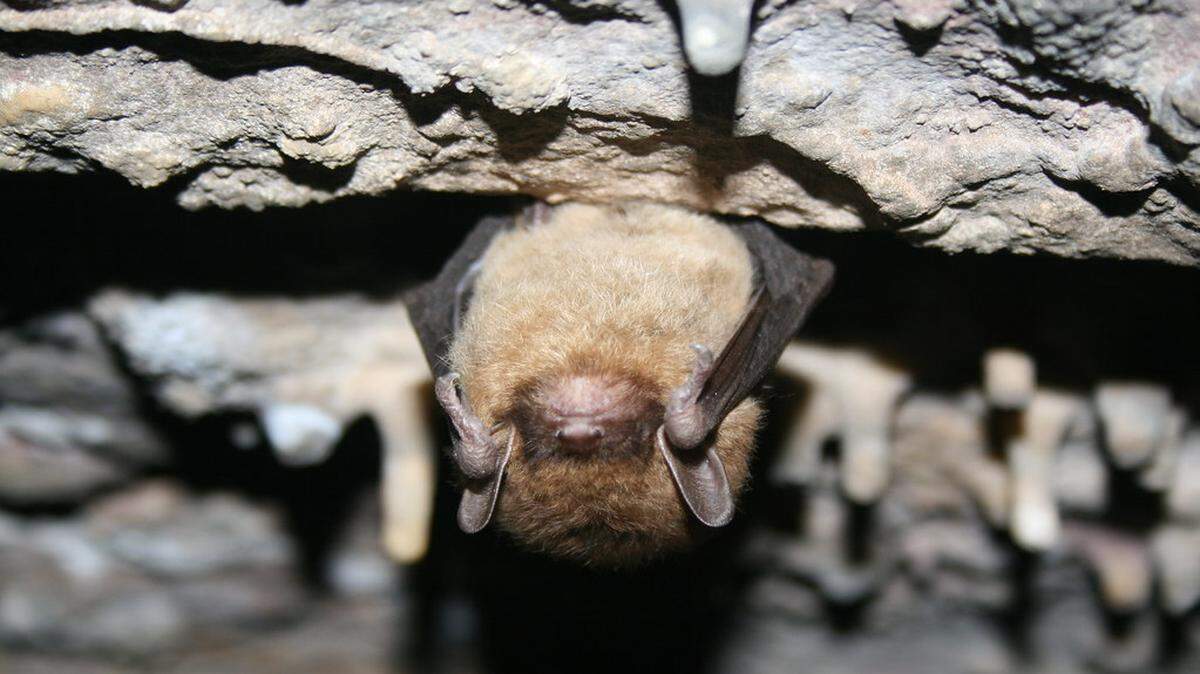
This is the time of year that bats are roosting, and they might be closer than you think. That’s because popular roosting locations include attics, walls, chimneys and other parts of structures. Bats are capable of squeezing through extremely narrow slits and cracks. Some of the smaller species can fit through a half-inch opening.
If they’ve decided to settle down in your house, there are a few things to be aware of.
Wildlife experts want people to know that bats are ecologically important, but they pose a danger to humans when they’re in our living spaces. Bats may carry rabies, a fatal disease for humans.
Bat roosting season began in early May and runs through the end of July in North America. Bats find a place to rest and raise their young, and during this time, they protect young, vulnerable bats. They particularly like warm environments for their young, like the attics of houses.
Wildlife Control Agents won’t extract bats from homes during roosting season, but you can report dead, sick or injured animals to the Washington State Department of Fish and Wildlife. After roosting season is concluded, you can get in touch with an agent in Washington state if you need to hire someone for removal. It is illegal to trap a bat in a room or structure.
Young bats are mature enough to fly by Aug. 1, so eviction methods can safely resume then.
Can I get rabies from a bat?
It’s rare, though possible, to get rabies from contact with a bat. Rabies is fatal for humans, so it needs to be taken seriously.
According to the WDFW, fewer than one in 20,000 bats in the state has rabies, and no Washington state bats feed on blood. But due to the risk of rabies, if you have come into physical contact with a bat, medical and wildlife experts say it’s crucial to seek treatment immediately.
About 60,000 Americans receive treatment after being exposed to rabies every year, according to The Centers for Disease Control & Prevention. Vox reported rabies treatment costing up to $10,000 in the United States.
Many people who have been bitten by a bat feel a “stinging or needle prick sensation,” reports the Minnesota Department of Health. But since bats leave a small wound — or sometimes no evidence of a wound — it might be difficult to know if you got bitten.
When should you seek treatment for rabies?
Because rabies is a fatal disease, medical professionals recommend seeking treatment whenever contact with a potentially rabid animal is possible — particularly if that animal is a bat.
“Given the risk of rabies, if you are in a room with a bat and you can’t determine whether you have had exposure to a bite, scratch, or mucous membrane, you should seek evaluation and treatment,” said Dr. Abhi Mehrotra of the UNC Department of Emergency Medicine in an interview with The News & Observer.
Bats have small teeth and claws, so it may not always be possible to tell if someone has been bitten or scratched. There are a few specific instances when you should err strongly on the side of caution and seek medical attention from the local health department or doctor immediately:
- A bat is found in a room with a sleeping person.
- A bat is found in a room with an unattended child.
- A bat is found near a child outside.
- A bat is found in a room with a person under the influence of alcohol or drugs, or who has another sensory or mental impairment.
How is rabies treated?
The vast majority of the time, most bats will not have rabies. But if you have been exposed to one that’s infected, it’s important to begin rabies treatment immediately. Chances of death are almost certain, but it’s highly preventable if caught early, according to experts.
Post-exposure treatment consists of one dose of immune globulin and four doses of rabies vaccine over a 14-day period, according to the Centers for Disease Control and Prevention.
That’s five injections total.
They are administered through your arm just like a flu or tetanus shot. Immune globulin is used to prevent infections or make an infection less severe. It contained antibodies that make your immune system stronger, and it can only be administered by a medical professional, according to the Mayo Clinic.
“Any time that there is a potential for contact between a bat and a human, we treat with post-exposure prophylaxis — the immune globulin and the vaccine,” UNC’s Mehrotra said. “This means giving antibodies (the immune globulin) to provide immediate protection and the vaccine to allow for the patient to develop their own antibodies, which take time to be able to fight possible infection.”
Why are bats important?
Bats can spread deadly diseases to humans, so they should not be inside our living spaces. But bats are still a vital part of our ecosystem, so it’s important to protect and remove them humanely.
Here’s why:
▪ They’re bug vacuums: They are essential for pest control, eating close to their body weight in insects every night, according to the U.S. Fish and Wildlife Services.
▪ They’re pollinators: Many bats eat insects, while others eat nectar and provide pollination for many plants, including peaches, cloves, bananas and agave, according to the US Fish and Wildlife Services.
▪ They disperse seeds: Bats play a major role in seed dispersal, according to FWS. Bats that eat fruit are responsible for 95% of the seed dispersal that can help regrow rain forests.
How to prepare for bat roosting season
▪ Seal off cracks and crevices: Bats will soon finish their hibernation period, and they’ll be looking for small, dark places for pup-rearing and bat roosting season.
▪ Inspect your attic: You may not hear bats, since they’re in their hibernation period, but they may be spending that time in your attic.
▪ Check for bat droppings: And see if any bats may currently be active in your home.
This story was originally published July 8, 2023 at 5:00 AM with the headline "Yes, bat roosting season is a thing you need to be aware of. Here’s what to know."