
Fish & Wildlife kill carp at ponds south of Pasco. Watch for eagles flocking in to feast
Visitors to ponds near the headquarters of the McNary National Wildlife Refuge may see dead carp littering the water near its Burbank headquarters southeast of Pasco for the next two or three months.
They also could spot bald eagles feeding on the dead fish.
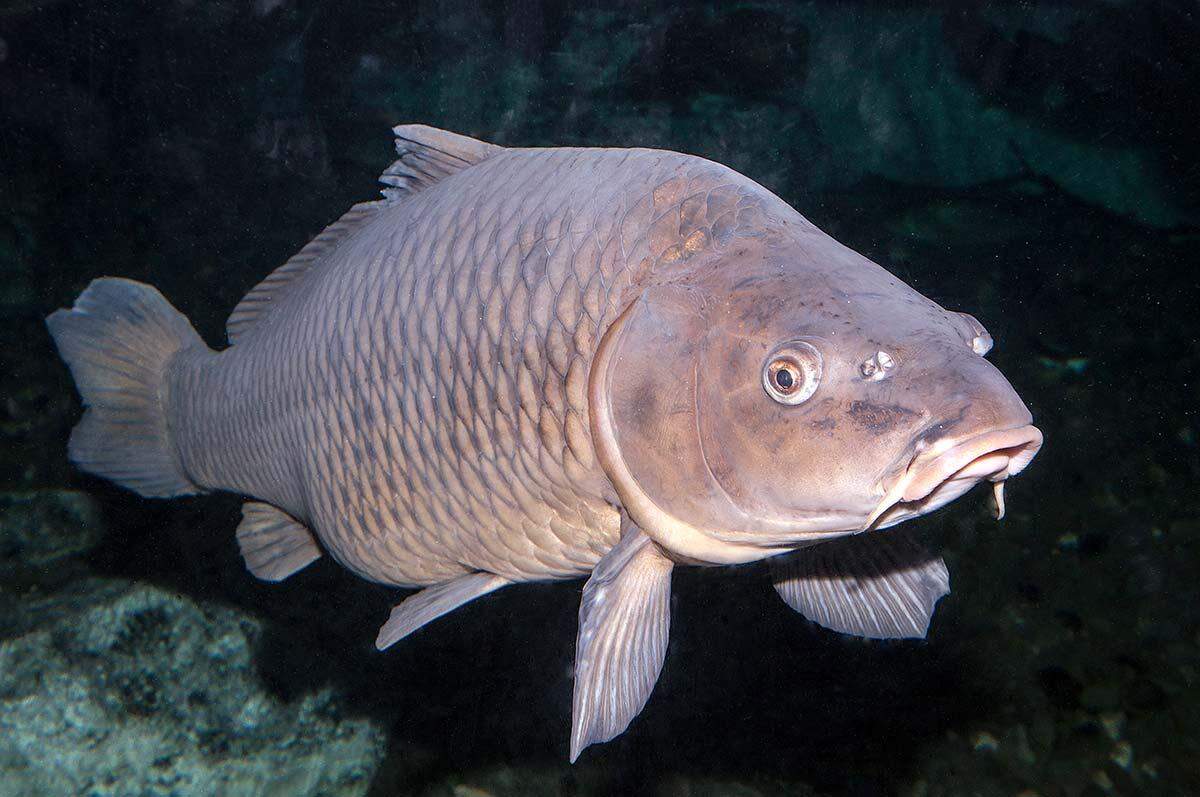
On Tuesday, the U.S. Fish and Wildlife Service treated ponds with rotenone to kill carp, a non-native species that overpopulate the ponds.
They eat the aquatic plants that form the basis of the ponds’ ecosystem and provide food for waterfowl and other wildlife. They also can stir up nutrients from the pond bottoms, increasing the chances of toxic algae blooms.
Rotenone inhibits the ability of carp gills to absorb oxygen out of the water, said Steven Kahl, project leader for the Mid-Columbia River National Wildlife Refuge Complex in Eastern Washington and Oregon.
But the chemical compound does not transmit up the food chain, making it safe for eagles and other scavengers to eat, according to the Fish and Wildlife Service.
It expects the dead carp to attract large numbers of bald eagles.
“There will be a temporary disturbance due to the boats and helicopters used in the application of the toxicant, but in the long run the number of waterfowl using these ponds will increase dramatically,” said Lamont Glass, park ranger for McNary National Wildlife Refuge.
The Fish and Wildlife Service planned to spray rotenone from a helicopter on areas with dense vegetation.
It also had arranged for airboats, sometimes called bayou boats, and other boats to distribute the rotenone in the water.
Anyone with questions about the use of rotenone can call the Fish and Wildlife Service at 509-546-8300 or email mcriver@fws.gov. The McNary National Wildlife Refuge headquarters is at 64 Maple St., Burbank.
This story was originally published November 8, 2022 at 12:01 PM with the headline "Fish & Wildlife kill carp at ponds south of Pasco. Watch for eagles flocking in to feast."