Does Richland school policy on race ‘villainize teachers’ or set ‘students up for success’?
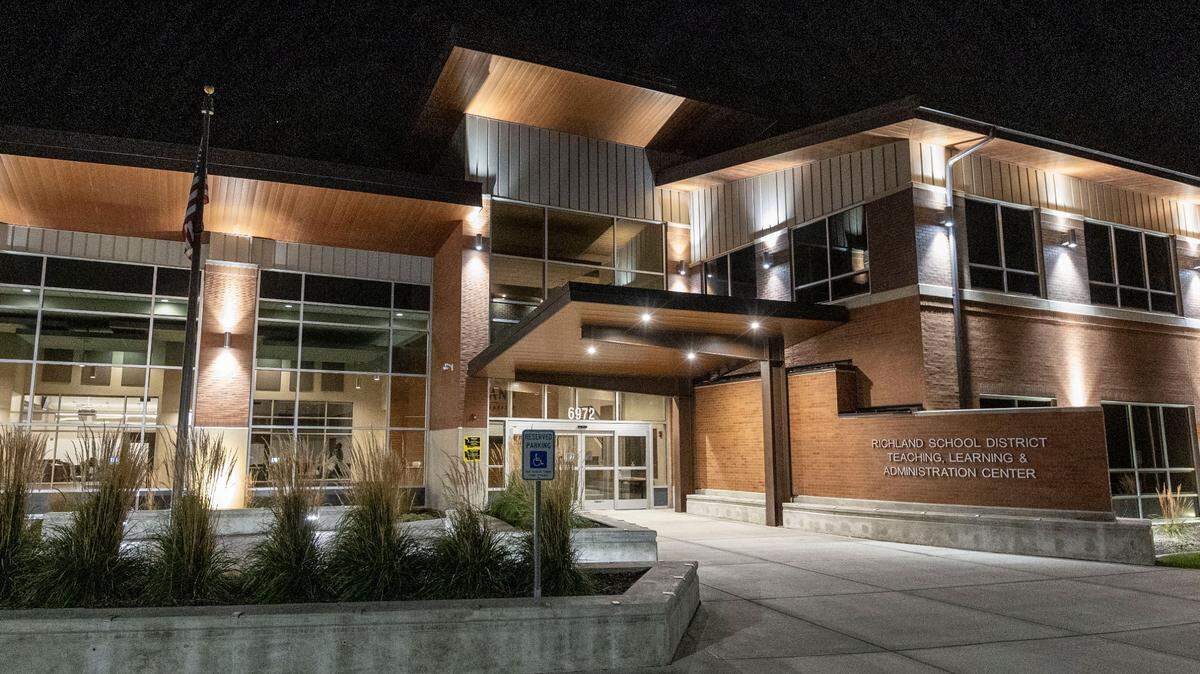
The Richland School Board this week passed a policy on “race and the curriculum” that aims to reaffirm the district’s support of racial diversity and student equity.
But some say the tone aims to villainize teachers and it might narrow conversations about the country’s troubled past with discrimination and slavery.
Policy 2360 passed in a 4-1 vote Tuesday at the urging of board member Semi Bird after the Kennewick School Board passed a similar measure last summer. Board President Jill Oldson voted against the measure.
Kennewick school leaders said it was an attempt to “take a stance” on the controversial issue of Critical Race Theory, though it makes no mention of it.
What it does say is: The board believes the history of all races should be valued, and that students should not be taught that their race, economic status or skin color determines their success or moral character.
It also says students should learn “factual history” from a nonpartisan stance, free from political biases; that teachers should “educate rather than indoctrinate;” and that “while students are taught that racism exists today, they will not be indoctrinated in the belief that the U.S. is fundamentally or systemically racist.”
Classroom discussions of race still will be allowed under this policy.
Richland’s policy got mixed reviews Tuesday. Bird, the board’s sole Black member, said it would be “setting students up for success,” while others said the policy’s tone was harsh on teachers.
“The problem that I have specifically with this policy, as a teacher of 25 years in the state of Washington, is that I feel it paints all teachers with a very broad brush and furthers a nationwide agenda that’s really aiming more to villainize teachers rather than to lift them up as they try to do the important work they’re doing with students,” said Krista Calvin, who also serves as the president of the Richland Education Association.
Irvine Stone, a retired nuclear engineer who’s lived in Richland almost 50 years, and who is Black, said he agreed with the policy as long as the “factual U.S. history” that is being taught is based on facts.
Local school district officials have said repeatedly that they’re not teaching the college-level legal theory that examines the law on how it serves the interests of people in power at the expense of others.
Conservatives in recent years, however, have used the term as a broad umbrella to encompass progressive ways of re-examining the U.S.’s troubled history with slavery, racism and civil rights.
Board member Rick Jansons attempted to amend the policy to include a paragraph about “universal respect” for all students, regardless of race, religion, sexual orientation or gender identity. He called the policy the “beginning of something positive” during opening thoughts and said it was not at all about Critical Race Theory.
But Bird shot that amendment down.
“I would like it to stay ‘race and curriculum,’ and yes, I have my personal feelings because I lived this,” he said. “I know what it’s like to not be able to sit one place, to be able to sit with others; I know what it’s like to be spat in the face and dropped the N-word.”
Jansons’ amendment failed 3-2, with Bird and board members Kari Williams and Audra Byrd voting against it.
Those members suggested Jansons’ amendment be added instead to the district’s stance on nondiscrimination that’s being planned for a future board meeting.
This story was originally published October 28, 2022 at 5:30 AM with the headline "Does Richland school policy on race ‘villainize teachers’ or set ‘students up for success’?."