
After 10-year struggle, this Tri-City home for sex-trafficked teens will be a first in WA
The first facility in Washington state to help sex trafficking survivors needs $1 million to close a funding gap.
To date, Mirror Ministries has raised $3 million in state and private funding to bring the more than decade-long journey to build Esther’s Home to a new stage.
The faith-based nonprofit is kicking off the public portion of its capital campaign for the first phase of the therapeutic care facility.
The money will allow the center to finish construction, buy the land and operate for three years on 20 acres in rural Franklin County, said Tricia MacFarlan, Mirror Ministries’ executive director.
“We don’t want to be another letdown for these kids,” she said. “I never thought I’d hear myself say, ‘We only need to raise another million.’”
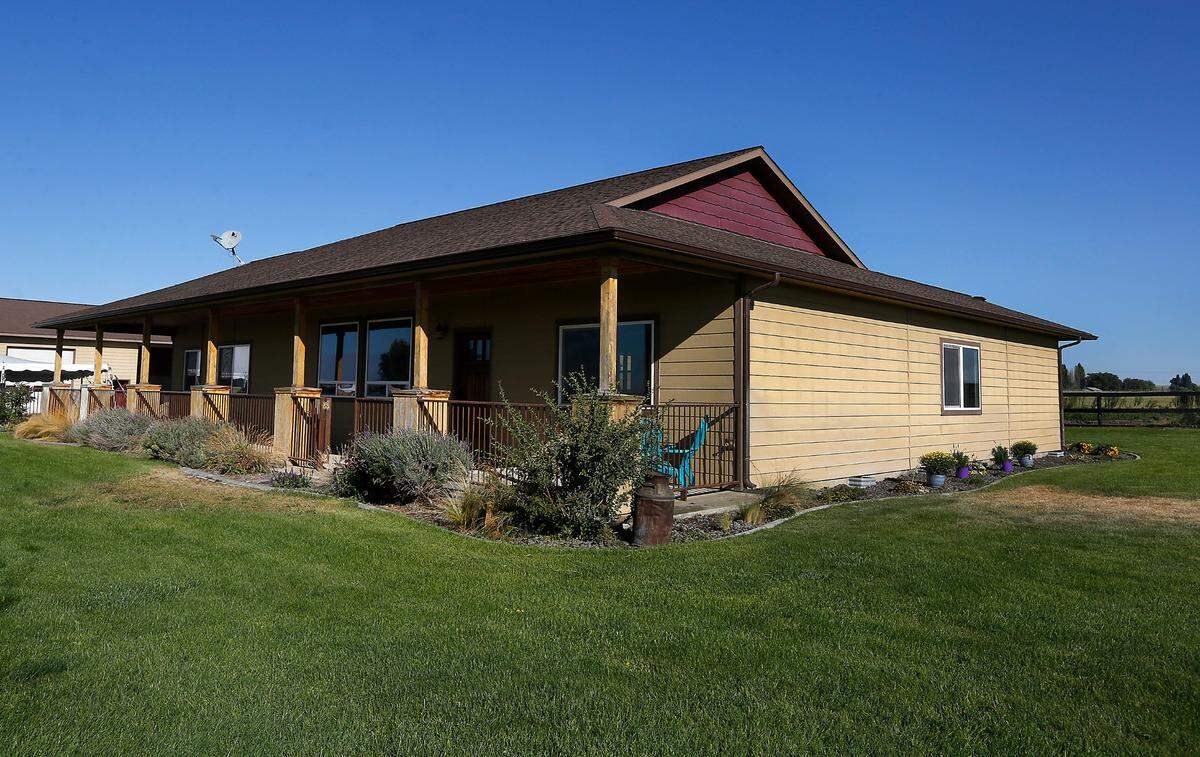
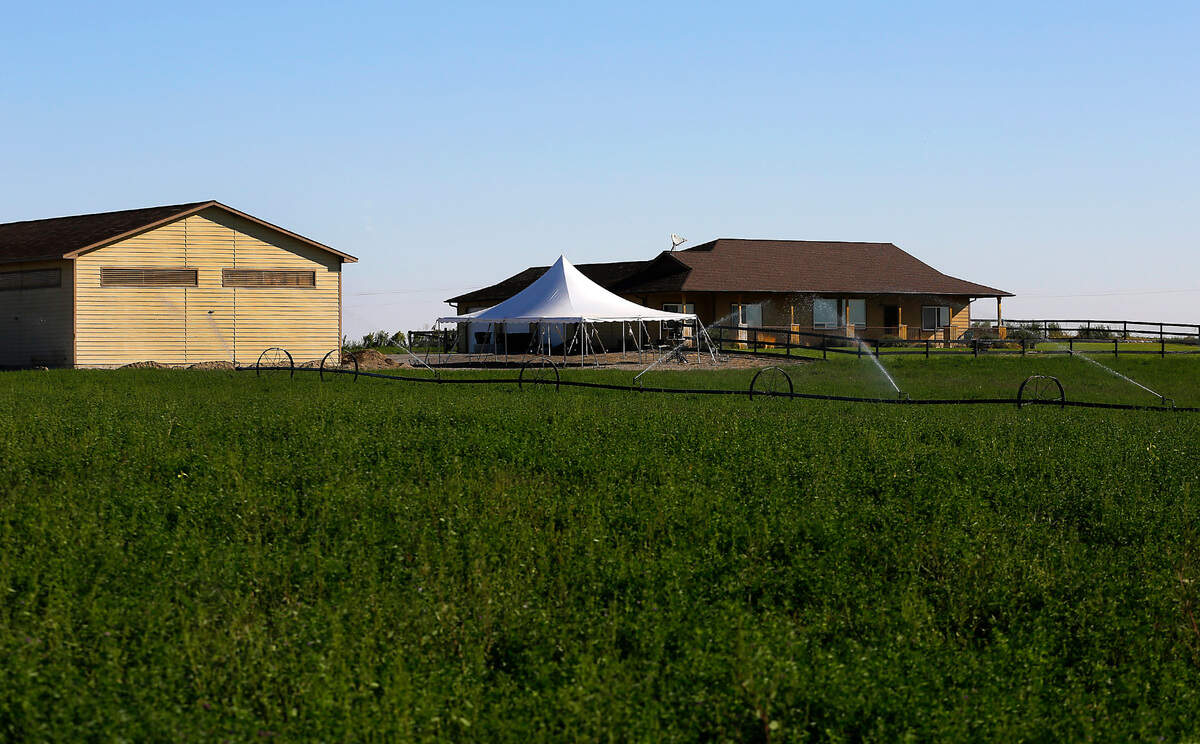
Crews already have torn out sheet rock in preparation for remodeling the existing home and nearby shop. They hope to finish the first phase within the next six months.
Then five girls will be able to live on the rural stretch of farmland. They will have access to therapy and counseling, as well as a chance to continue their education.
The girls, ages 11 to 18, will stay at the home for at least a year while they recover.
A second and third phase of the project would add additional houses to the property over the next 10 years.
Last year, the National Center for Missing and Exploited Children received more than 17,200 reports of child sex trafficking in the United States.
It’s hard to estimate how many children are trafficked in the Tri-Cities on any given night, MacFarlan said. But a 2013 study conducted by NewEdge estimated more than 200 underage girls are trafficked every night in the Tri-Cities.
“We have a real crisis when it comes to providing holistic, restorative support for young survivors,” MacFarlan has said.
Surrounded by help
Esther’s Home is named after the biblical character who was a slave and forced into situations out of her control. But with courage and the right support, she found freedom and honor for herself.
MacFarlan and other members of Mirror Ministries have traveled to similar facilities across the country, as well as looked into the best practices for treating survivors.
They also have practical experiences helping girls across the Tri-Cities with counseling and a 24-hour hotline.
Esther’s Home would offer a more intense service than they are able to now. Survivors of sexual trafficking would spend time in the house away from situations that might cause anxiety.
“It’s like if you broke your leg,” MacFarlan said. “You need to keep it in a cast for a while. You don’t want to do that for too long because then everything atrophies and is gone, but you need to be able to protect it while it’s healing.”
Trying to provide that therapy in a busy, loud and public area undercuts its effectiveness, MacFarlan said. For example, if they’re talking in a coffee shop, a girl might be constantly cautious or reacting to the people around them.
“You can’t heal the brain when you’re at that level of hyper-vigilance,” she said. “The body has to be calm enough for that healing to take place.”
In addition, a teacher with a class of dozens of students wouldn’t be able to spend time with the girls if they are suffering a panic attack.
People at the home will be available all day, every day for the girls.
MacFarlan said the plans call for having two staff members awake at all times, so if they have night terrors or panic attacks someone is there to talk with.
MacFarlan, who has raised four teen girls of her own, said teens often open up at night.
During the day, the girls will have access to group sessions multiple times each week, as well as independent therapy sessions. They also plan to offer equine therapy and more.
The girls would also learn cooking, budgeting, resume writing and job interviewing skills.
The facility won’t replace a mental health hospital or treatment for active addictions, MacFarlan said.
People interested in donating to the project can contact Debbie Toner at debbie@mirror-ministries.org or got to givebutter.com/esthershome.
Controversial start
The journey to getting the project approved has taken more than three years. Since it’s an unusual use for the area, the project needed special approval from Franklin County.
Mirror Ministries previously had a spot picked out for the home, but a coalition of neighbors fought the project and a majority of the Franklin County Commission opposed it in 2020.
The nonprofit found the new property the following year, and this time had more success in securing a permit.
“There may not be a perfect place for a facility like this, but there is a perfect need for it,” Commissioner Brad Peck said during a January commission meeting.
Commissioner Clint Didier continued to oppose the measure, saying he believed it would be a detriment to the farming community.
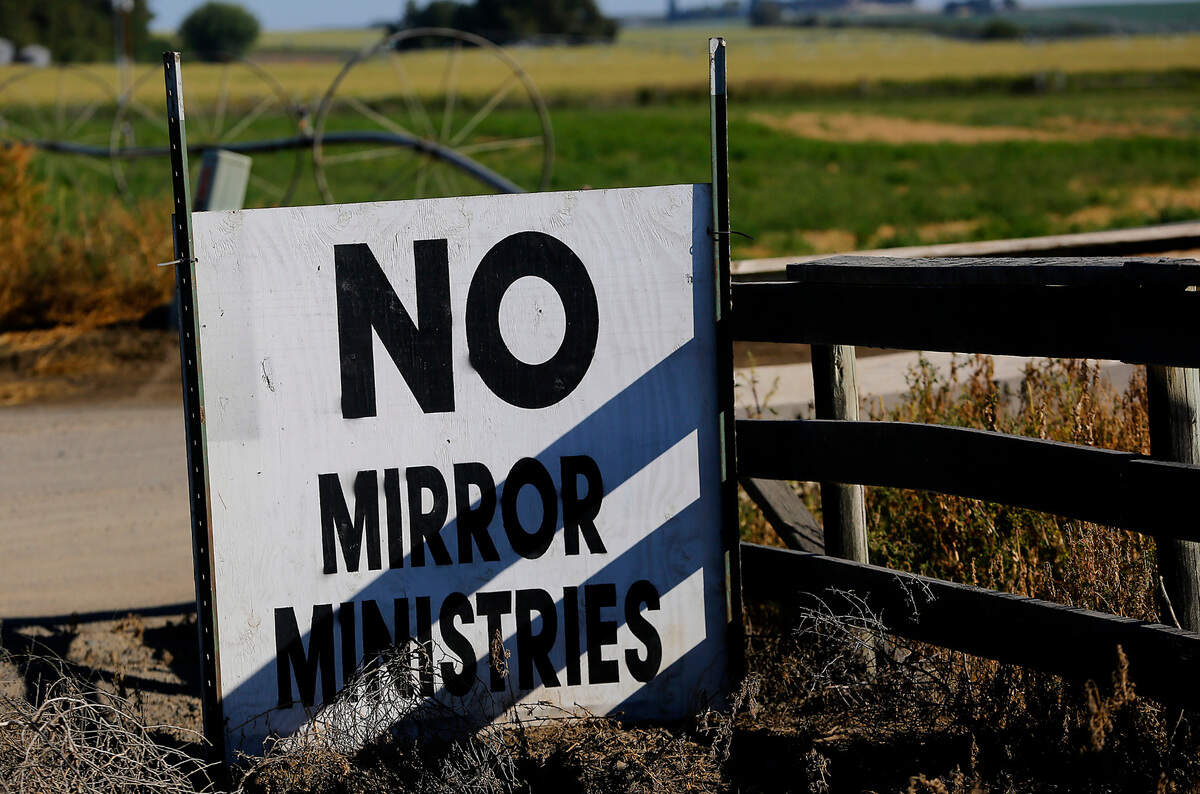
There were two neighbors who didn’t agree. One has signs out near the property calling for, “No Mirror Ministries.”
MacFarlan said the signs have helped drive some to learn more about their efforts and even led to some new volunteers helping them.
She still hopes she can show anyone still with concerns how much it will help the survivors and that they will be good neighbors.
This story was originally published September 11, 2022 at 5:00 AM with the headline "After 10-year struggle, this Tri-City home for sex-trafficked teens will be a first in WA."