Foraging in Washington: where and how to safely harvest this spring and summer
Whether you’re on a berry-picking mission or stumble across an interesting mushroom on a hike, knowing Washington’s wildlife could be lifesaving.
Washington is full of wild berries from blueberries to huckleberries, as well as mushrooms, greenery, and various sea life that can be foraged and harvested. But being able to identify edible plants and critters and know the regulations in your region of the state is important.
A foraging guide for Western Washington posted on Washington’s Secretary of State website breaks down what can be foraged year-round. Mushrooms and oysters are particularly popular among foragers.
The guide also emphasizes the importance of following foraging etiquette and safety, including:
▪ Only eat edible wildlife if you can positively identify what it is and if it is safe. If you can not identify it, do not eat it.
▪ Only pick healthy-looking produce. Do not pick or consume any edibles that look dirty, diseased or like an animal or insect has eaten it.
▪ Do not pick an area clean, always leave plenty of edibles behind for other wildlife, and to protect the plant species.
▪ Be respectful of the areas you are foraging in, and the rights of Indigenous peoples. Species may have significant cultural importance, so it is crucial to do your homework before you go out to forage in a particular area.
▪ Be aware of local rules and regulations including certain land open and closed seasons, open hours, required permits and fees, and certain species that may have foraging limitations. Wildlife and sea life need to be treated according to guidelines posted by local parks and authorities.
Wild Berry Picking
Some of the many varieties of wild berries in Washington can be poisonous, so proceed with caution.
There are a few rules to safely picking berries, according to the Washington State University magazine that is published by the Board of Regents of Washington State University.
▪ The berry rule: 10% of white and yellow berries are edible, 50% of red berries are edible; 90% of blue, purple or blackberries are edible, and 99% of aggregated berries, clustered berries such as raspberries and blackberries, are edible.
▪ Identification of berries is crucial before consuming. WSU has a variety of photos and descriptions to make sure the berries you are picking are safe.
▪ The Snohomish extension of WSU also created a fact sheet of berries found in Washington, if they are safe to eat and ways to prepare and eat them.
Wild Greens
Some ferns, nettles and tips are popular in foraging, but only certain types are safe to eat.
Stinging nettles are typically avoided because of their stings from contact, but if boiled they become a healthy substitute for spinach, according to the secretary of state’s foraging guide. They can also be made into an herbal tea.
▪ Conifer tips, such as spruce and fir are edible, but yew tips are not.
▪ Other greens such as nettles, dandelions, purslane, watercress, miner’s lettuce and cattails are all edible, according to a WSU article that also provides recipe recommendations for the edible greens.
Wild Mushrooms
Identifying wild mushrooms can be difficult and if done the wrong way can lead to serious food poisoning, according to a WSU article featuring Lori Carris, a Washington State University mycologist.
There are a few basic guidelines to follow when foraging mushrooms:
▪ Identify both non-poisonous and poisonous mushrooms.
▪ Eat mushrooms in moderation, even if you are confident they are non-poisonous.
▪ Always cook mushrooms before consuming them.
▪ Adults, children and dogs can be affected by mushroom poisoning.
If you believe someone has mushroom poisoning, contact a physician or poison control by calling 1-800-222-1222, and save a sample of the mushroom that was eaten.
When unsure if a mushroom is safe to eat, do not take the risk. Just throw it away.
Ocean Foraging
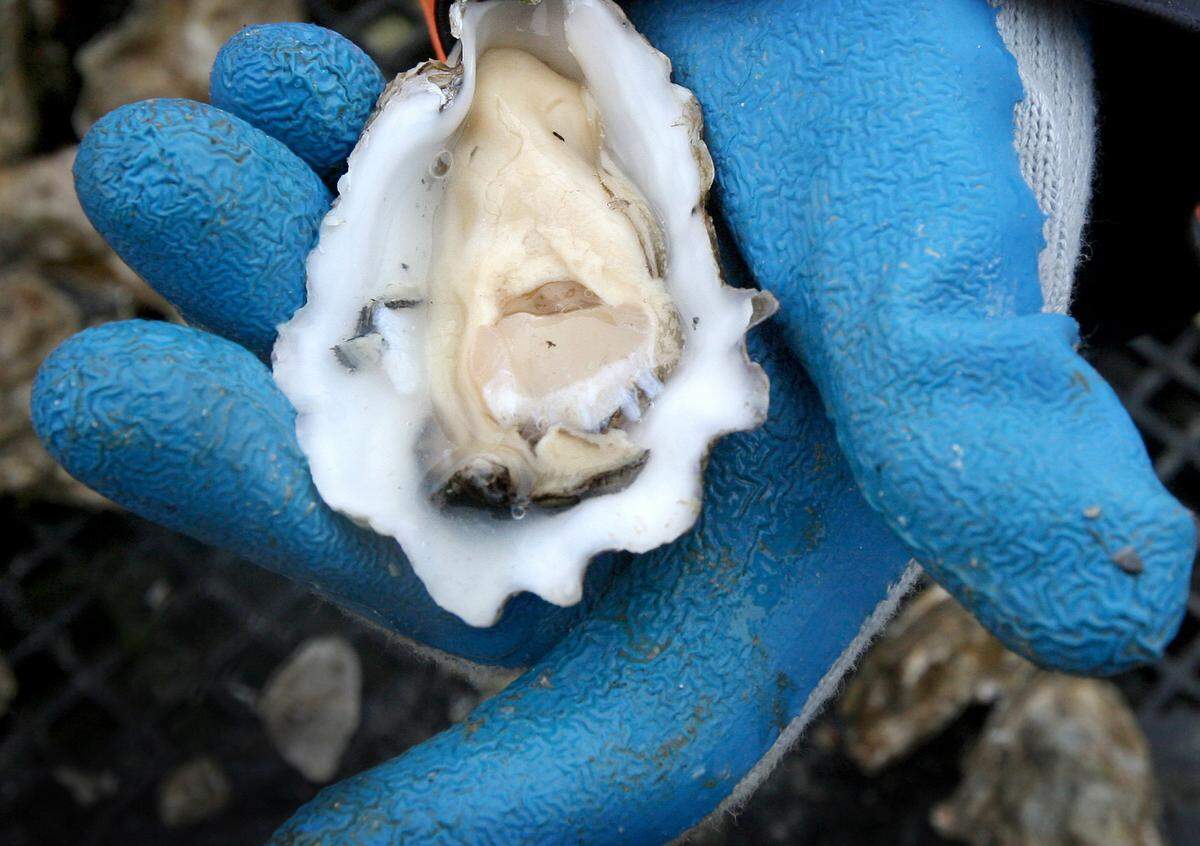
Ocean life such as seaweed, mussels, oysters and clams are commonly foraged in the Pacific Northwest and Washington coasts.
But foraging ocean life requires special care, according to the Secretary of State’s foraging guide.
When foraging seaweed, it is important to find fresh seaweed that is located in open, clean beaches far away from industrial or highly populated areas. When foraging shellfish or other ocean life, it is important to research for local beach warnings of algae blooms and bio-toxins that could be carried by wildlife and be extremely harmful if the wildlife is consumed.
Pacific dulse seaweed, California mussels, pacific oysters and pacific razor clams are all safe marine life to forage and eat.
The Washington State Department of Transportation also has a complete guide of poisonous plants in the state, such as poison ivy and poison hemlock.
This story was originally published May 13, 2022 at 5:00 AM with the headline "Foraging in Washington: where and how to safely harvest this spring and summer."