Washington’s Fawn Sharp becomes first Tribal leader to receive diplomatic credentials
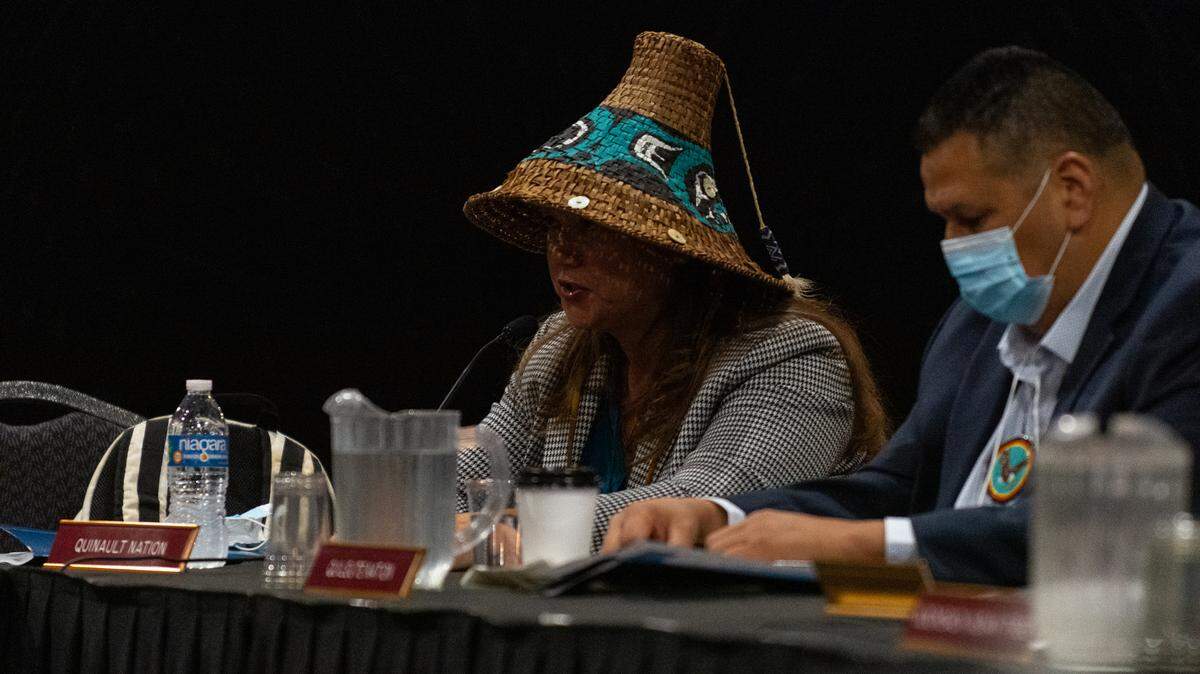
National Congress of American Indians President and Washington state Tribal leader Fawn Sharp has become the first Tribal leader to receive diplomatic credentials from the U.S. State Department, joining its delegation to the United Nations’ 26th annual Conference of the Parties, or COP26.
Appointed by the Biden administration as an official credentialed delegate of the United States, Sharp has centered Tribal issues at COP26, which runs from Oct. 31 to Nov. 12 in Glasgow, Scotland. The delegates monitor and review the implementation of the U.N.’s Framework Convention on Climate Change, which is an international treaty developed to address the warming of the planet.
“As I accept the honor of being the first tribal leader to receive full credentials as a delegate to the United Nations Conference of (the) Parties, I do so with an incredible sense of optimism, because I know the invaluable contributions to the fight against Climate Change that Native Americans and our Indigenous relatives globally will make to turn the tide,” Sharp said in a news release Friday, Nov. 5.
Sharp requested full and effective participation of Indigenous peoples in developing climate action plans; inclusive language in the Paris Agreement that recognizes and encourages Indigenous rights, participation, knowledge and contributions; and the need for an independent fund to support Indigenous projects and strategies to combat climate change.
“Since time immemorial, Tribal Nations have been on the frontlines of advocacy to protect our lands and resources. To begin #NativeAmericanHeritageMonth, we’re pleased to have @NCAI1944 President Fawn Sharp as part of the U.S. delegation @COP26,” tweeted Special Presidential Envoy for Climate John Kerry.
Sharp has been vocal about Indigenous leadership in the response to climate change and its impact on Tribal communities in testimony to Congress, the U.N. and a recent meeting between Tribal leaders and Gov. Inslee — who is also attending the climate summit.
“It is impossible to confront the global existential crisis of climate change without the active leadership and engagement of the world’s Indigenous Peoples, and the Tribal Nations of the United States of America have an incomparable brain trust of leaders, scientists, and policymakers who are ready to lead that effort,” Sharp said in the release. “Indigenous communities globally have one thing in common: we are resilient survivors, and we will help lead the world through this challenge to a brighter, more just, and more sustainable future.”
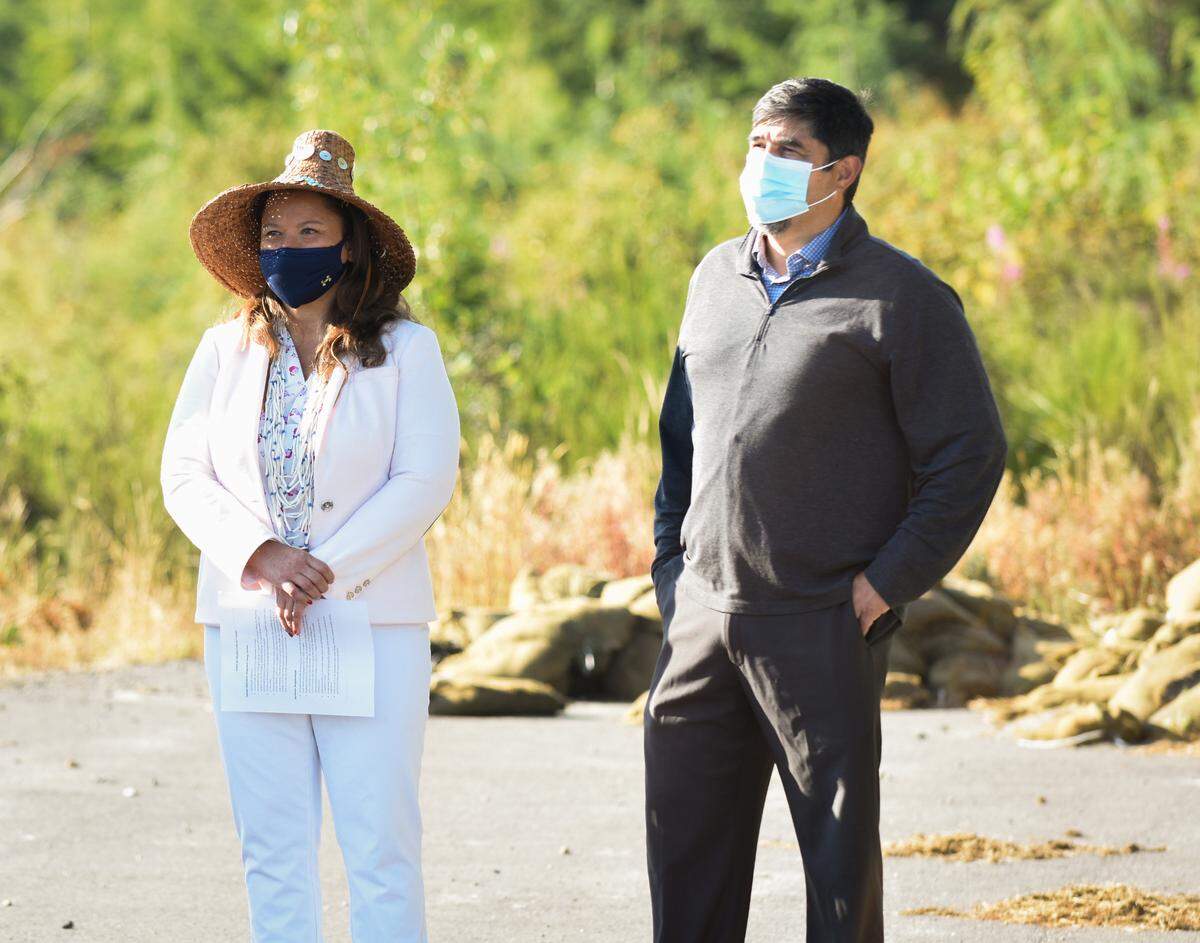
In October, Sharp became the first woman ever re-elected to a second term as president of the National Congress of American Indians, an American Indian and Alaska Native rights organization that has represented Tribes since 1944.
She is also vice president of the Quinault Indian Nation located in Taholah, Wash. The Tribe has been severely impacted by climate change and is in the process of relocating to higher ground.
“When we see that ocean breach up to our only store, our community center, our jailhouse, our courthouse — every one of these is a reminder that we are in harm’s way… We have a duty to protect our community,” Sharp said in August at a meeting between U.S. Interior Secretary Deb Haaland and Washington coastal Tribes.
“The United States faces a profound climate crisis. From drought and wildfires to winds and flooding, increasingly extreme weather events are transforming where and how we live and present growing challenges to human health and quality of life, the economy, and the natural systems that support us,” Haaland wrote in a recent op-ed, reflecting on her tour of Quinault Indian Nation. “As the effects of climate change continue to intensify, Indigenous coastal communities — including tribal communities here in Washington — are facing unique climate-related challenges associated with living on the water.”
BEHIND THE STORY
MOREPlease help support this reporting
Natasha Brennan covers Washington state tribes’ impact on our local communities, environment and politics, as well as traditions, culture and equity issues, for McClatchy media companies in Bellingham, Olympia, Tacoma and Tri-Cities.
She joins us in partnership with Report for America, which pays a portion of reporters’ salaries. You can help support this reporting at bellinghamherald.com/donate. Donations are tax-deductible through Journalism Funding Partners.
You can sign up for her weekly newsletter here.
Secretary Haaland also centered Indigenous leadership during a multi-day trip to the United Kingdom last week. Her visit underscored U.S. commitments to implement nature-based climate solutions with a focus on working with Indigenous and local communities.
As part of the conference, Haaland hosted a virtual question-and-answer session with Indigenous youth to discuss the impacts of climate change on the rising generation and communities around the globe.
This story was originally published November 9, 2021 at 5:00 AM with the headline "Washington’s Fawn Sharp becomes first Tribal leader to receive diplomatic credentials."