
‘Deceptive’ letters cost Washington debt collector $1.6 million after lawsuit
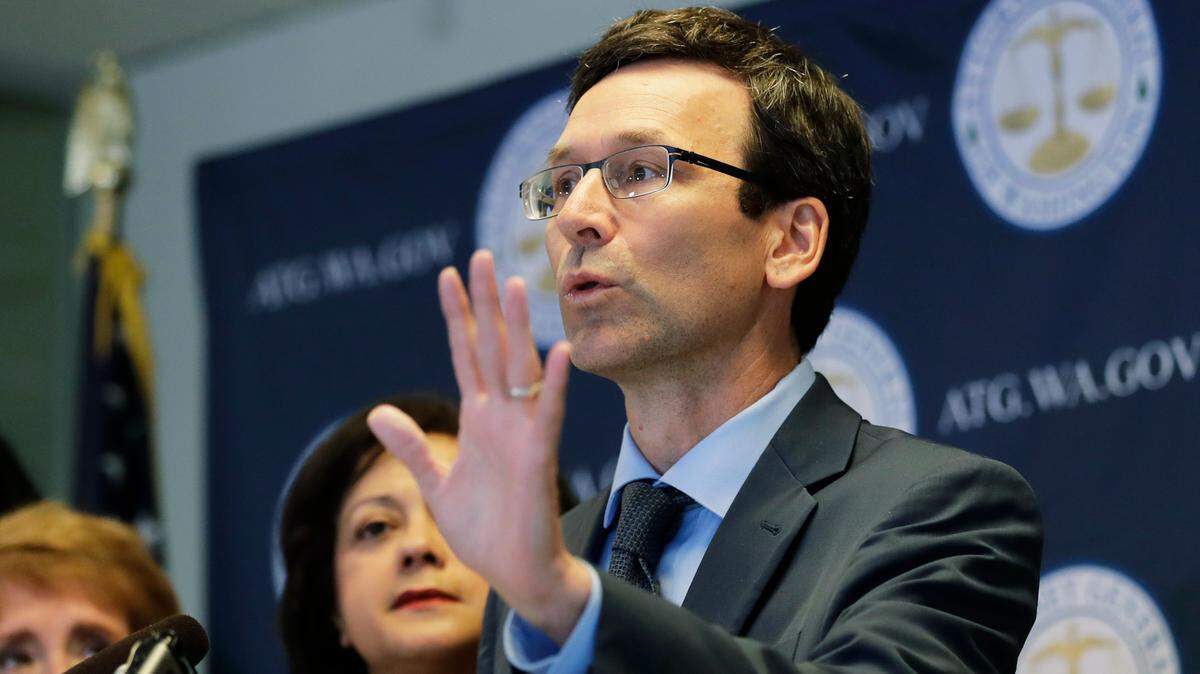
A debt collection agency in Washington owes over $1.6 million to the state attorney general’s office over the use of misleading language in letters to debtors.
The Renton-based agency, Convergent, sent letters to Washington residents pushing them to “settle” old debts, falsely implying the possibility of litigation, Attorney General Bob Ferguson said in a consumer protection lawsuit.
The lawsuit, which was filed in June 2020, alleged that from January 2013 to November 2016, Convergent sent over 80,285 collection letters to Washington consumers and “hundreds of thousands more” to people in other states, a news release from the attorney general’s office said. These letters offered to “settle” old debts without disclosing that those debts were legally unenforceable due to having passed the statute of limitations.
The statute of limitations on debt collection lawsuits in Washington is six years after the date of default or last payment on the debt account. After that time has passed, agencies can still try to collect on those debts, but cannot sue over them.
“These ‘settlement’ offers created a deceptive impression that Convergent could sue consumers when it could not, and implied Convergent was prepared to sue consumers if they did not pay,” the release said. The letters also asked consumers to call the agency’s office within a certain number of days and settle the issue within a limited time frame, creating a “false sense of urgency” for debtors to respond.
In using misleading language in the letters, Convergent is accused of violating the Consumer Protection Act, which “prohibits unfair or deceptive acts or practices in trade or commerce that affect the public interest.” The agency also violated Washington’s Collection Agency Act, which prohibits collection agencies in Washington from “threatening to take actions they cannot legally take.”
The lawsuit means 1,405 Washington residents who sent money to Convergent will receive the amount they paid, plus interest accrued since 2014, coming to a total of nearly $710,000. The payments to individuals will range from $9 to $20,000 and be disbursed through the attorney general’s office, the release said.
In total, the agency will pay the attorney general’s office $1,675,000, including payment to cover the costs of the case and to fund future investigations and enforcement of the Consumer Protection Act, according to the release.
Convergent has about 700 employees and $80 million in annual revenues. It has collected on the accounts of major corporations around the country, including “Verizon, Sprint, T-Mobile, Dish Network and PayPal,” as well as debt buyers like “Palisades Collection, Galaxy Asset Purchasing and Pinnacle Credit Services,” the release said.
“Debt collectors are not allowed to deceive Washingtonians,” Ferguson said in the release. “Today’s resolution holds this large, sophisticated debt collection corporation accountable for its unlawful conduct that put its profits above the law.”
This story was originally published September 8, 2021 at 12:06 PM with the headline "‘Deceptive’ letters cost Washington debt collector $1.6 million after lawsuit."