
Songbirds are getting sick and dying across Washington. What’s going on?
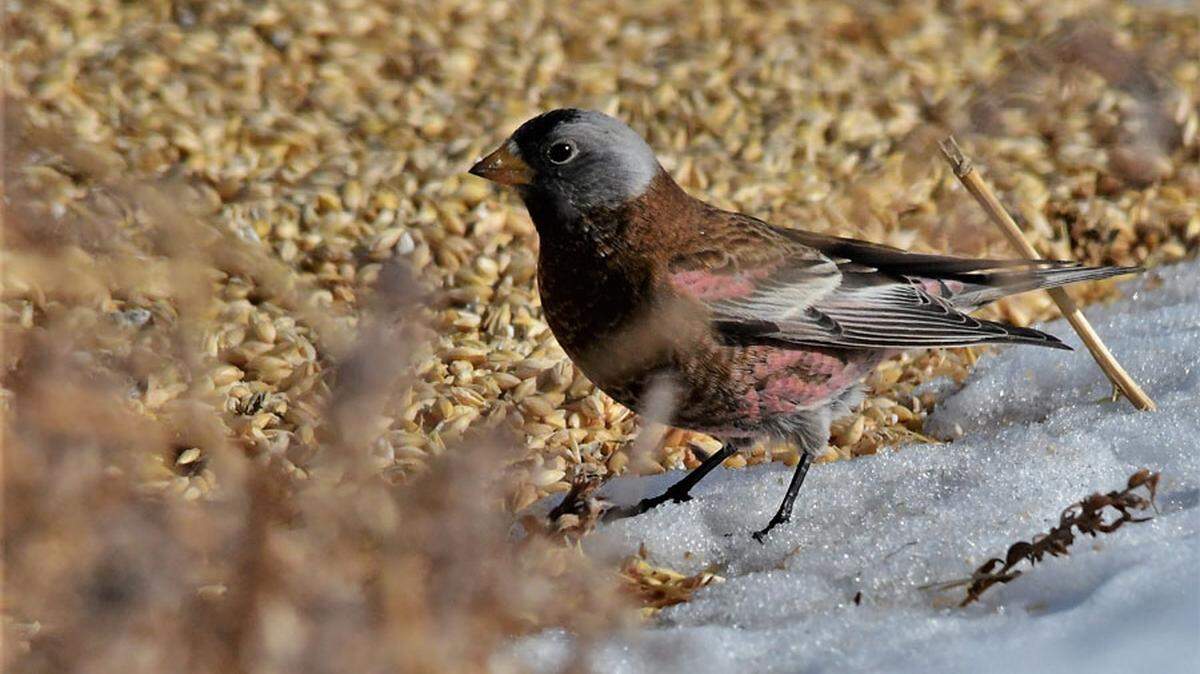
Washington wildlife officials are warning people that finches around the state are dying of a disease that has appeared in multiple counties, according to a news release from the Washington Department of Fish and Wildlife.
The department has received reports about sick or dead songbirds at backyard feeders in King, Kitsap, Skagit, Snohomish and Thurston counties, the release said. Those reports have prompted wildlife officials to recommend people temporarily stop feeding wild birds or to do more to maintain their feeders, according to the release.
Reports say that finches and other songbirds are likely dying of salmonellosis, “caused by the salmonella bacteria,” the release said.
“When birds flock together in large numbers at feeders, they can transmit the disease through droppings and saliva,” Kristin Mansfield, a veterinarian with the department of fish and wildlife, said in a statement in the release.
The disease was likely spread more because of “an anomaly where finches and other species that generally winter in the boreal forest in Canada and the far north move south and are spotted in areas in larger numbers than non-irruption years,” the release said.
Birds with the disease “become very lethargic, fluff out their feathers, and are easy to approach.,” Mansfield said. “This kind of behavior is generally uncommon to birds.”
There is little people can do to treat the diseased birds. But people can help stop the spread by discontinuing bird feeding until at least February, according to the release. People should also reduce the number of feeders to a quantity that will be easily cleaned daily, accommodate fewer birds and spread further from other feeders, the release said.
“Birds use natural food sources year-round, even while also using backyard bird feeders, so they should be fine without the feeders,” Mansfield said.
Salmonella bacteria can transfer from birds to humans, but it’s uncommon, according to the release. Those handling birds, feeders or bird baths should wear gloves and thoroughly wash their hands afterward, the release said.
People can become infected with the bacteria, which primarily lives in the intestines of humans and animals, by:
Eating foods contaminated with salmonella, such as beef, poultry, unpasteurized milk, or eggs. Vegetables may also be contaminated.
Eating food that may have been contaminated by an infected food handler.
Having contact with farm animals or pets (including reptiles, baby chicks, and ducklings), animal feces, or animal environments.
Touching contaminated surfaces or objects and then touching their mouth or putting a contaminated object into their mouth.
Not washing hands after using the bathroom or changing diapers and then eating foods.
Drinking raw, unpasteurized milk or contaminated water.
This story was originally published January 13, 2021 at 2:42 PM with the headline "Songbirds are getting sick and dying across Washington. What’s going on?."