
DOE awards $4 billion Hanford nuclear reservation contract
A $4 billion contract was awarded Thursday to provide sitewide services at the Hanford nuclear reservation for up to a decade, keeping much of the current contract ownership in place.
The contract went to Hanford Mission Integration Solutions of Richland, Wash., which is owned by Leidos Integrated Technology of Maryland, Centerra Group of Florida and Parsons Government Services of California.
The new contract will replace the expiring contract of Mission Support Alliance, owned by Leidos and Centerra.
Its 10-year contract was recently extended for up to six months through May 25 to allow time for a contract award and a transition period of four months.
Mission Support Alliance employs about 1,950 people.
The new contract, called the Hanford Mission Essential Services Contract, is for a five-year base period, which includes the transition period. It may be extended twice, initially for three years and next for two years.
The Mission Integration Solutions was one of three bids received and evaluated by the Department of Energy. Federal law allows the losing bidders to file an appeal, if they choose.
.jpg "Filter Bed 4 SSIM Pic 1 (1).jpg")
The new contract is primarily a cost-plus-award-fee type, which means the new contractor will bill DOE for expenses and is eligible to receive fees, or bonuses, to make profit on the contract.
Hanford work covered by contract
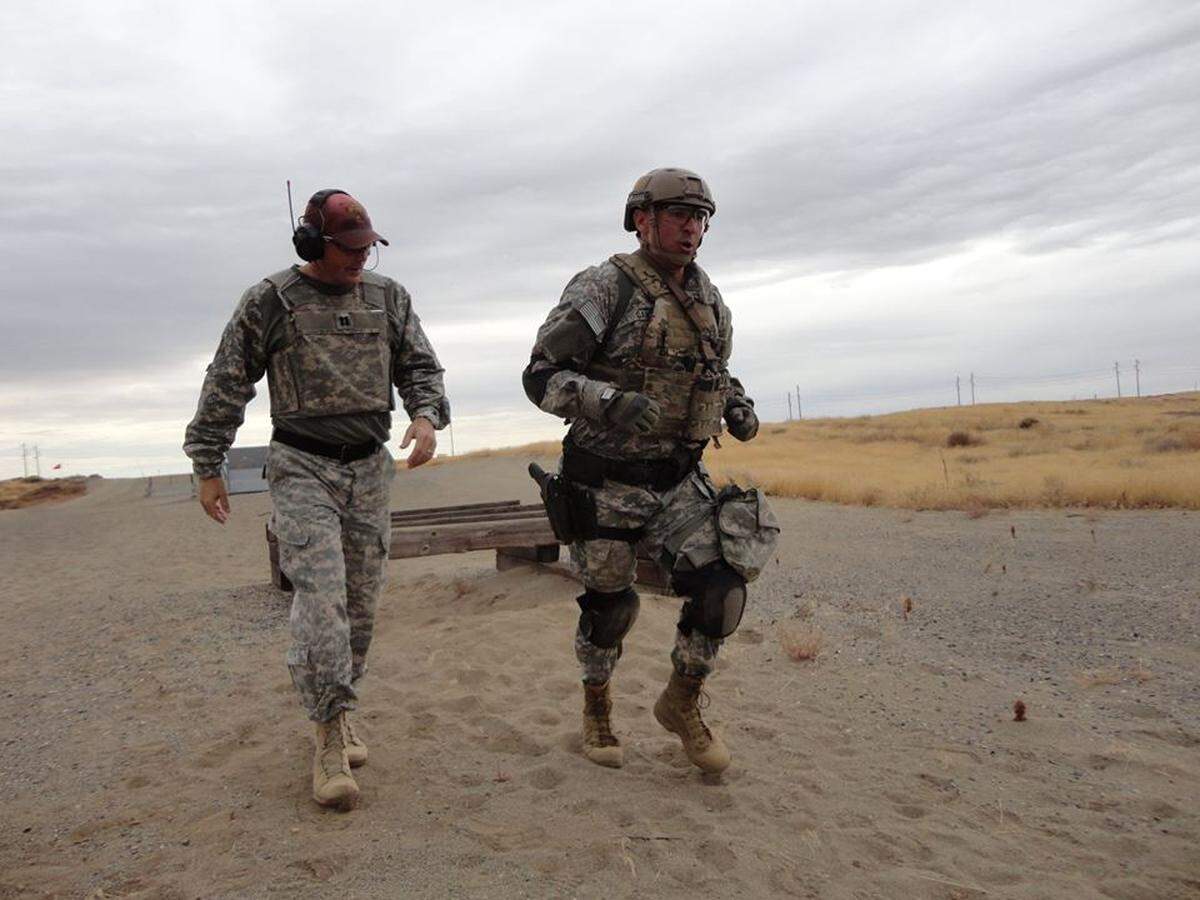
The new contract covers primarily the same services now provided by Mission Support Alliance, including security, fire and emergency services, land management, utilities, road services, management of the HAMMER training center and information technology.
Among the new contractor’s work will be improving infrastructure to support the $17 billion Waste Treatment Plant, or vitrification plant, at the Hanford site. It is required to start operating to treat radioactive waste in 2023.
The contract also includes some new work, providing assistance to DOE in soliciting and administering federal small business contracts. It does not include the small business subcontracts awarded by individual prime contractors.
“We look forward to helping the DOE accelerate the Hanford cleanup mission and produce cumulative cost savings,” Leidos said in a statement Thursday.
New contractors typically hire most of the workers of the past contractor. Mission Support Alliance has posted a transition webpage to answer employee questions.
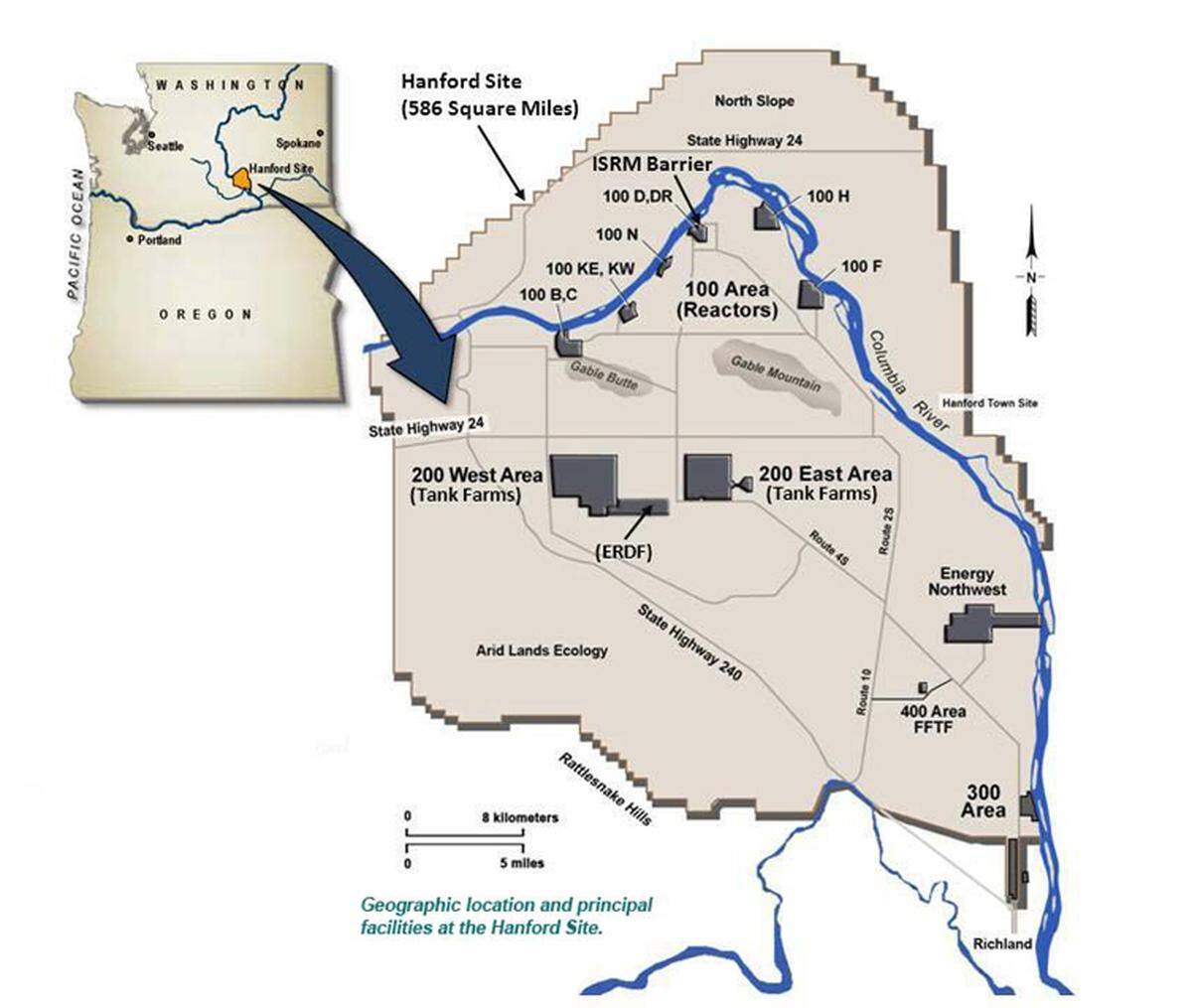
The federal government is spending about $2.5 billion a year for environmental cleanup of the 580-square-mile Hanford site, with most work done by privately owned contractors.
The nuclear reservation is contaminated from the past production of plutonium for the nation’s nuclear weapons program from World War II through the Cold War.
Other contracts to be awarded
Hanford also has accepted bids for two of its other three largest Hanford contracts.
The contractors currently doing the work up for bid have had their 10-year contracts extended until September 2020, which would be 12 years total for each. The extensions allow DOE more time to get new contracts in place.
CH2M HIll Plateau Remediation Contract is responsible for central Hanford and contaminated groundwater cleanup, plus some remaining cleanup near the Columbia River and operation of Hanford’s huge lined landfill for low-level radioactive and chemical waste.

Washington River Protection Solutions is responsible for 56 million gallons of radioactive waste in underground tanks, including emptying leak-prone tanks and preparing some of the waste for treatment at the Hanford vitrification plant.
Together they employ about 4,000 workers.
Bechtel National, the remaining large Hanford contractor, has a contract through 2022 to complete commissioning of vitrification plant facilities for low level waste treatment and the completion of commissioning of the rest of the plant will be considered in a future contract modification, according to its contract.
In September, Congress was notified that DOE intended to award a $3-billion, 10-year contract, apparently referring to the Hanford Mission Essential Services Contract.
DOE then withdrew the notification, saying it had been made in error.
Withdrawn contract announcement
But the notification caught the attention of Sen. Dianne Feinstein, D-Calif, who sent a letter to then Energy Secretary Rick Perry that was co-signed by Sen. Patty Murray, D-Wash., and Sen. Jeff Merkley, D-Ore.
“Awarding new contracts to corporations with ongoing legal and ethical issues diminishes accountability and potentially undermines the integrity of the department and its procurement process,” the letter said.
It was apparently referring to a Department of Justice lawsuit filed against Mission Support Alliance and its previous owner, Lockheed Martin Services.
The lawsuit accuses Mission Support Alliance and Lockheed of defrauding the federal government of tens of millions of taxpayer dollars, which they strongly deny.
The Department of Justice alleged that Mission Support Alliance used half-truths, omissions, kickbacks and outright lies to get DOE to consent to a $232 million subcontract to a company with which it had ownership ties, allowing the company to profit twice on the same work.
However, the alleged wrongdoing occurred before Leidos bought a controlling interest in the contract, and it was not named in the lawsuit.
It did employ Richard Olsen as vice president of finance as recently as August 2018, when he reached a settlement agreement to pay $124,400 after being accused of taking $40,000 in illegal kickbacks related to the lawsuit’s allegations. He admitted no wrongdoing.
Leidos has said it worked to implement a new management structure and leadership team after acquiring an interest in Mission Support Alliance in August 2016.
This story was originally published December 5, 2019 at 12:13 PM with the headline "DOE awards $4 billion Hanford nuclear reservation contract."